
Planting
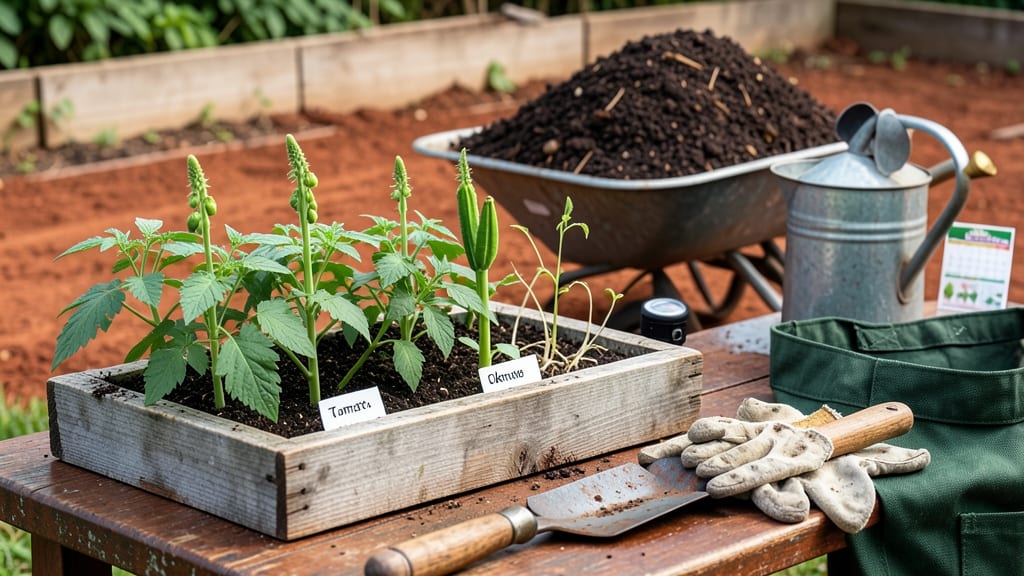
Arkansas frost-free planting dates by Zone (6, 7, 8)
Arkansas spans USDA Hardiness Zones 6b through 8a, meaning frost dates vary dramatically from north to south. In Zone 6b (northwest Arkansas), the average last frost date is around April 15, while Zone 8a (southeast) can see frost-free conditions by March 1.
Understanding these microclimates is key to planting at the right time for your specific location.
For most Arkansas gardeners, the frost-free window spans roughly 180-240 days, creating two primary planting seasons: spring (March-May) and fall (August-October).
Cool-season crops like kale, peas, and broccoli thrive when planted 4-6 weeks before your last frost, while warm-season favorites such as tomatoes and peppers need soil temperatures above 60°F to germinate successfully.
Here’s a quick guide to Arkansas frost dates by zone to help you plan:
| Zone | Last Frost Date | First Frost Date | Frost-Free Days | Best Planting Window |
|---|---|---|---|---|
| Zone 6b (NW Arkansas) | April 15 | November 1 | 180-200 days | March 15 - May 15 (spring) / August 1 - September 15 (fall) |
| Zone 7a (Central Arkansas) | March 31 | October 31 | 210-230 days | March 1 - April 30 (spring) / August 15 - October 1 (fall) |
| Zone 7b (South Central Arkansas) | March 15 | November 15 | 220-240 days | February 15 - April 15 (spring) / August 15 - October 15 (fall) |
| Zone 8a (Southeast Arkansas) | February 15 | December 15 | 240+ days | January 15 - March 15 (spring) / September 1 - November 1 (fall) |
If you’re unsure of your exact last frost date, check the Arkansas Cooperative Extension Service for localized data. They provide historical frost records and can help you fine-tune your planting schedule based on your county’s specific climate patterns.
For warm-season crops, wait until the soil temperature reaches at least 60°F—a soil thermometer is your best friend here.
In Zone 6b, this might mean waiting until mid-April, while Zone 8a gardeners can plant as early as late February. Cool-season crops, on the other hand, can often handle light frosts, so planting them 4-6 weeks before your last frost date gives them a head start.
Pro tip: Use row covers or cold frames to extend your planting window for early or late crops. This is especially useful in Zone 6b, where the growing season is shorter.
By adding just a few extra weeks of warmth, you can squeeze in an extra harvest before the first frost hits.
Don’t forget that humidity and heat in Arkansas can also affect planting times. For example, okra and sweet potatoes thrive in the high heat and humidity of summer, so they’re best planted after the last frost date when temperatures consistently stay above 75°F.
Meanwhile, leafy greens like spinach bolt (go to seed) quickly in the heat, so they’re better suited for spring or fall plantings.
For the most accurate timing, align your planting with the moon phases and local weather forecasts. Arkansas’ unpredictable spring rains and summer heatwaves can shift your ideal planting window, so stay flexible and ready to adjust. With the right timing, you’ll be enjoying a bountiful harvest all season long!
Best planting schedule for Arkansas vegetables, flowers & herbs
Arkansas’ long, humid summers and mild winters create two prime planting windows: early spring (March–April) and late summer/fall (August–September). Cool-season crops like kale and peas thrive in spring, while tomatoes and peppers need the heat of summer. Perennials like lavender and rosemary can go in anytime after the last frost.
For Zone 6b (northern Arkansas), start cool-season crops in late March and warm-season crops after May 15. In Zone 7b–8a (central/southern Arkansas), you can plant cool-season crops as early as February and warm-season crops by April 1.
Here’s a month-by-month breakdown to maximize your harvests:
Plant cool-season crops like spinach, carrots, and onions 4–6 weeks before last frost. Start warm-season seeds indoors (e.g., tomatoes, peppers).
Transplant cool-season seedlings (e.g., broccoli, cabbagepeas and radishes directly. After last frost, sow warm-season crops like beans and squash.
Focus on warm-season staples: tomatoes, peppers, and corn. Add herbs like basil and cilantro. Avoid planting cool-season crops unless using shade cloth.
Start fall gardens with kale, lettuce, and spinach. Plant cool-season flowers like pansies and snapdragons. Transplant herbs (e.g., parsley, chives).
Sow hardy crops for winter harvests: garlic, onions, and peas. Add perennials like asparagus and rhubarb for next year.
Plant garlic and winter wheat for spring harvests. Cover tender perennials (e.g., lavender) with mulch to protect from frost.
Pro tip: Use succession planting for bush beans and lettuce every 2 weeks to ensure a steady harvest. Arkansas’ humidity means good air circulation is key—space plants properly to prevent fungal diseases like powdery mildew.
For container gardening, start herbs and leafy greens indoors in February and move them outside after last frost. Heat-loving plants like okra and sweet potatoes can wait until June in Zone 6b.
🌱 Remember: Arkansas’ variable spring weather means always check soil temps—warm-season crops need 60°F+ soil to thrive.