
Plants
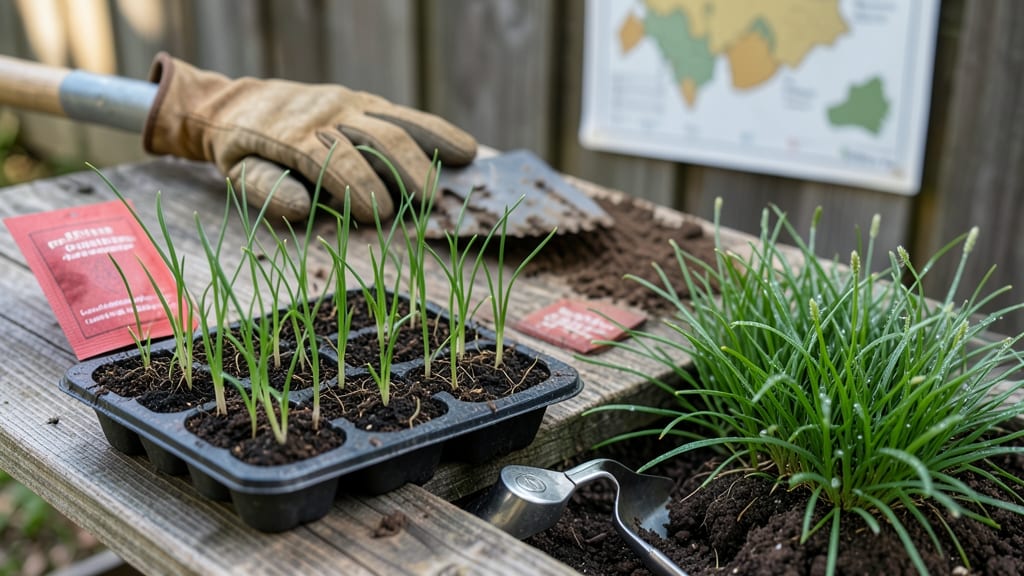
Planting grass in Northern California at the wrong time can mean the difference between a lush, vibrant lawn and a patchy, struggling mess. Understanding the Zone 7B/8A frost-free timeline is the key to success, especially when cool-season grasses like Kentucky bluegrass or fescue are on the line.
Whether you're in the Bay Area or Sacramento, timing matters more than you might think. Plant too early, and frost can wipe out your efforts before they even take root.
Wait too long, and summer drought will leave your grass gasping for water. The secret lies in knowing exactly when to start for your specific microclimate.
I've spent years watching lawns thrive—and fail—in Northern California, and what I'm about to share will help you avoid common pitfalls. From soil temperature tricks to the best months for planting, you'll discover the exact steps to give your grass the best possible start.
Ready to transform your yard into a green oasis? Let's dive into the perfect planting schedule that works for your region, so you can enjoy a lawn that's the envy of the neighborhood year after year.
Northern California grass planting timeline by microclimate (zone 7B vs 8A)
Northern California's Zone 7B and 8A climates create unique challenges for grass planting. The Bay Area's coastal fog delays frost, while inland areas like Sacramento experience earlier freezes.
Cool-season grasses like fescue and Kentucky bluegrass thrive in our mild winters, but timing is critical to avoid summer drought stress or late-season frost damage.
For cool-season grasses, the ideal window is late summer to early fall (August through October), when soil temperatures are cooling but frost isn't imminent. Warm-season grasses like Bermuda or Zoysia prefer late spring planting (April to early June) to establish roots before summer heat arrives.
Let's break down the exact planting windows for your specific microclimate.
🌱
📅 Northern California Grass Planting Comparison
| Microclimate | Cool-Season Grass Window | Warm-Season Grass Window | Key Consideration |
|---|---|---|---|
| Bay Area (Zone 8A) | September 15 - October 15 | April 15 - May 15 | Coastal fog delays frost until December |
| Sacramento Valley (Zone 7B) | August 20 - September 30 | April 1 - May 10 | First frost typically arrives November 15 |
| Mountain Foothills (Zone 7B) | August 1 - September 15 | March 20 - April 30 | Earlier frosts possible; plant earlier |
| All Regions | Avoid planting after October 31 | Avoid planting after June 15 | Soil temperatures exceed 70°F, risking seed dormancy |
🌡️ Pro Tip: Use a soil thermometer to confirm 60-70°F soil temps before planting
Understanding these windows helps avoid common planting pitfalls. For example, Bay Area gardeners often wait too late in fall, risking coastal fog-related fungal issues, while inland areas sometimes plant too early and face summer drought stress before roots establish.
The 60°F soil temperature rule is your best friend—cool-season grasses need soil temps below 70°F, while warm-season varieties prefer 65°F+.
For cool-season grasses, aim for 6-8 weeks before first frost. In Zone 7B (Sacramento), that's typically mid-August to late September, while Zone 8A (Bay Area) extends to mid-October.
This timing ensures your grass establishes roots before winter dormancy begins. Overseeding existing lawns should happen in late summer (August) to take advantage of warm soil and cooler air temperatures.
Warm-season grasses like Bermuda and Zoysia need a different approach. Plant them when daytime temperatures are consistently above 70°F—typically April to early June in Northern California.
These grasses go dormant in winter, so early planting gives them time to establish before summer heat arrives. Late spring planting (after June 15) often results in poor establishment due to soil moisture loss and heat stress.
🌿
Elevation plays a surprising role in Northern California's planting timeline. Areas above 2,000 feet (common in the Sierra foothills) experience earlier frosts—sometimes as early as October 1. If you're in these regions, shift your cool-season planting window 2-3 weeks earlier (aim for late July to early September).
Conversely, coastal areas below 500 feet can often plant through mid-November due to the coastal fog effect that delays frost.
One critical factor often overlooked is rainfall patterns. Northern California's winter rains provide natural irrigation for fall-planted grass, but spring planting requires supplemental watering
Northern California grass planting timeline by microclimate (zone 7B vs 8A)
Northern California’s Zone 7B and 8A climates create distinct planting windows for grass, with coastal areas like the Bay Area experiencing milder winters and inland regions near Sacramento facing colder nights.
Cool-season grasses like fescue and ryegrass thrive in early fall or spring, while warm-season grasses like Bermuda need summer heat. Let’s break down the best month-by-month windows for your microclimate.
In Zone 7B (e.g., San Francisco, Santa Rosa), the last frost typically occurs around March 15, while Zone 8A (e.g., Sacramento, Stockton) sees frost-free conditions by February 15. This shift means inland areas can plant 4-6 weeks earlier than coastal zones.
For cool-season grasses, aim for September 15–October 15 (Zone 7B) or August 30–September 30 (Zone 8A) to avoid summer drought stress.
| Microclimate | Best Planting Window | Soil Temp Threshold | Key Risks |
|---|---|---|---|
| Zone 7B (Coastal) | Late Sept–Mid Oct | 60–65°F | Coastal fog delays germination |
| Zone 8A (Inland) | Late Aug–Early Sept | 55–60°F | Summer drought stress |
| Spring Window (Both) | Early April–Mid May | 55–65°F | Late frost risk (Zone 7B) |
Spring planting is riskier in Zone 7B due to late frosts (average March 15), but it’s ideal for Zone 8A if you seed by April 15. Warm-season grasses like Zoysia should wait until May 15 in both zones to avoid cold snaps.
Always check your local USDA frost calendar—coastal areas like Half Moon Bay can have frost as late as April 1.
For overseeding existing lawns, reduce the window by 2–4 weeks to allow time for old grass to decompose. Use a soil thermometer to confirm 60°F+ soil temps—this is your green light for seeding.
Inland areas hit 60°F by late August, while coastal zones may need to wait until mid-September.
Pro tip: If you’re in a transition zone (e.g., Santa Cruz Mountains), split your seeding into two batches—half in early fall, half in late spring—to hedge against unpredictable weather. This dual-seeding strategy minimizes risks in variable microclimates.
Remember, water availability is your biggest constraint in summer. If planting in Zone 8A’s late August window, ensure you can commit to daily watering for the first 30 days to prevent seed desiccation.
Coastal areas benefit from morning fog, but inland zones need afternoon shade cloth during peak heat.