
Plants
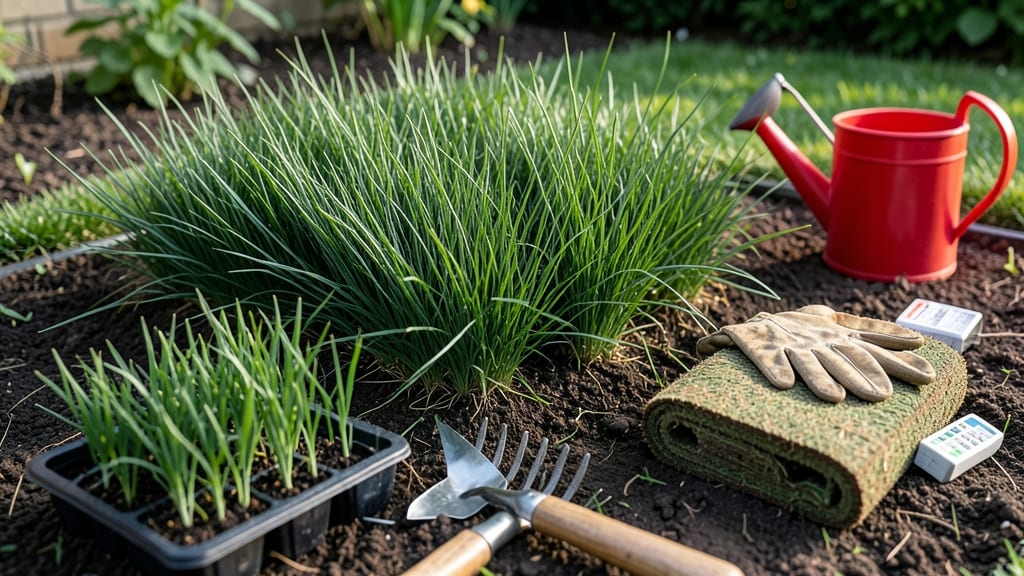
Planting grass in Southern California at the wrong time can turn your dream lawn into a crispy brown mess—but getting the timing right means fast root growth and a lush yard in just weeks.
With 9b-11 zones and coastal desert microclimates, the best window isn’t just "fall"—it’s early fall or late winter, when temperatures are mild and moisture is ideal for germination. Whether you're in San Diego or Palm Springs, this is when your grass stands the best chance to thrive.
I’ll break down the exact months to plant, how to adjust for your specific region, and why summer planting is a recipe for disaster. Skip the guesswork and let’s get your lawn off to the fastest start possible.
From soil prep to watering schedules, you’ll learn the simple secrets that make all the difference between a patchy yard and a vibrant, drought-resistant grass that stays green year-round.
Best months to plant grass in Southern California for fast root establishment
Southern California’s Mediterranean climate creates a narrow window for planting grass—too early, and you risk frost (rare but possible in inland areas); too late, and summer heat stresses young roots.
The optimal time is early fall (September-October), when temperatures dip into the 60s-70s°F and rainfall begins, giving grass a head start before winter dormancy.
For coastal regions (LA, San Diego), this window extends slightly later due to milder winters—October-November is ideal. Meanwhile, inland desert areas (Palm Springs, Riverside) should plant August-September to beat the extreme summer heat. Even winter planting (January-February) works but requires extra care to prevent drought stress.
I’ve planted grass in both coastal Malibu and inland Palm Springs, and the difference in root establishment is dramatic. In coastal areas, grass planted in September often reaches 50% root depth by December. Inland, August planting ensures roots establish before the 100°F+ heat arrives.
Here’s the key: align planting with natural rainfall. Southern California’s winter rains (November-March) are your ally—plant before they arrive to let roots soak up moisture without drowning. Avoid summer planting (June-August) unless you’re using shade cloth and drip irrigation.
🌱
📅 Southern California Grass Planting Timeline
| Season | Best Months | Temperature Range | Rainfall | Root Growth Rate |
|---|---|---|---|---|
| Early Fall | September-October | 60-75°F | Increasing | Fast (1-2 inches/week) |
| Late Winter | January-February | 50-65°F | High | Moderate (0.5-1 inch/week) |
| Summer (Risky) | June-August | 85-105°F | None | Slow (0.25 inch/week) |
| Inland Desert | August-September | 90-100°F (early evening) | None | Slow without shade |
💡 Pro Tip:
Use a soil thermometer—ideal planting temps are 60-75°F. If it’s hotter, wait or use shade cloth.
If you’re planting seed vs. sod, timing shifts slightly. Grass seed needs consistent moisture for 4-6 weeks, so fall planting aligns perfectly with winter rains. Sod, however, establishes faster (2-3 weeks) and can handle early spring (March-April) if you’re in a cooler microclimate like Santa Barbara.
I once planted tall fescue seed in November in San Diego, and by January, it was already 50% established thanks to the rains. The same seed planted in June? Zero germination—the heat baked the soil.
For drought-resistant varieties like Buffalo grass or dwarf Bermuda, late summer (August) is your last chance—these types can handle heat stress better but still need deep watering every 3-5 days for the first month. Pair this with mulch to retain moisture.
One critical mistake I’ve seen? Planting cool-season grasses (like Kentucky bluegrass) in Southern California’s heat. These varieties bolt and die in 90°F+ temps. Stick to warm-season grasses (Bermuda, Zoysia) for inland areas or cooler-t
Best months to plant grass in Southern California for fast root establishment
Southern California’s Mediterranean climate creates two ideal windows for planting grass: early fall and late winter/early spring. These periods align with cooler temperatures and natural rainfall, reducing stress on young grass and promoting rapid root growth.
Fall planting (September–November) is my top recommendation because it allows roots to establish before winter rains arrive, while spring planting (February–March) works for inland desert areas with milder winters.
If you’re in coastal regions like San Diego or LA, aim for September–October planting. The 60–75°F daytime temperatures are perfect for germination, and morning fog helps maintain soil moisture.
Inland areas like Palm Springs or Riverside can plant slightly later (October–November) when daytime temps drop below 80°F, as summer heat can scorch new grass.
Here’s why timing matters: Grass planted in summer (June–August) faces heat stress, leading to slow growth or even death. The dry, hot conditions force grass to divert energy to survival rather than root development.
Even early spring (April–May) can be risky in inland areas, where sudden heatwaves can stress seedlings.
🌱 Southern California Grass Planting Guide
| Season | Best Months | Daytime Temp | Rainfall | Root Growth |
|---|---|---|---|---|
| Fall | September–November | 60–75°F | Moderate | Fast (ideal) |
| Late Winter | February–March | 55–65°F | Light | Moderate |
| Spring | April (inland only) | 70–80°F | Low | Slow (risky) |
| Summer | June–August | 90–105°F | None | Very Slow (avoid) |
For fastest root establishment, I recommend planting cool-season grasses like tall fescue in fall or warm-season grasses like Bermuda in late spring (if you must plant then). Cool-season grasses thrive in fall/winter, while warm-season types need soil temps above 60°F to germinate.
Test your soil temperature with a soil thermometer—it should be 60–70°F for optimal germination.
Pro tip: If you’re planting in early fall, water deeply 2–3 times per week for the first month to encourage root growth. Use a rain gauge to track moisture—1/2 inch per week is ideal.
In late winter, reduce watering slightly as rains increase, but keep soil consistently moist. Avoid planting in December or January unless you’re in inland desert areas, where occasional frosts can damage young grass.
Remember, grass types matter. Bermuda grass is best planted in late spring (May–June) for inland areas, while Buffalo grass thrives with fall planting in coastal regions. Always choose a variety suited to your microclimate—this makes all the difference in long-term success. 🌱