
Plants
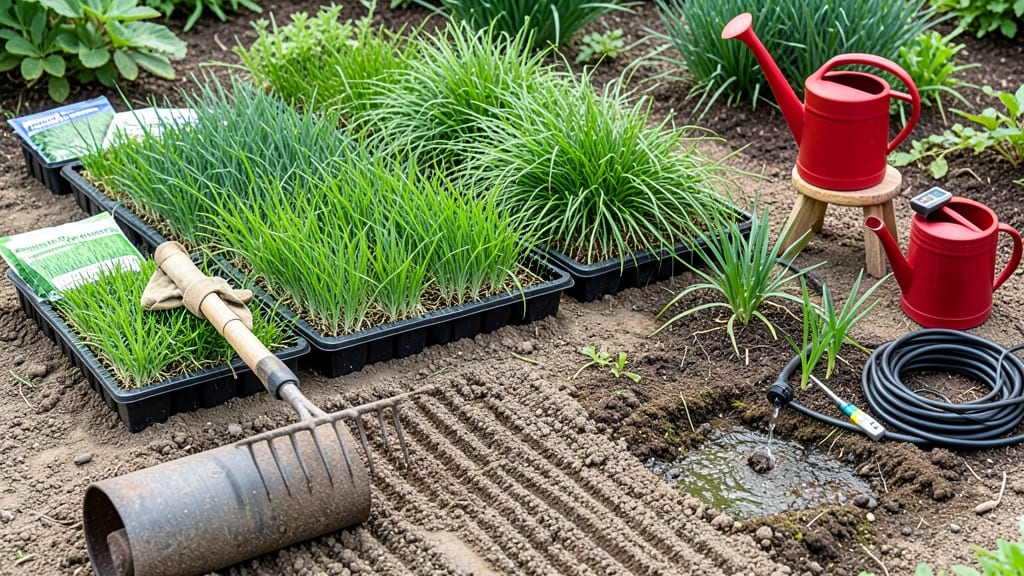
Planting grass in Tennessee at the wrong time can turn your dream green lawn into a patchy, weed-infested mess—but get the timing right, and you’ll see fast, lush growth within weeks.
With three distinct climate zones across the state, from the cool hills of East Tennessee to the warm plains of the West, the best months to plant vary dramatically. Whether you’re in USDA Zone 6a or 8a, knowing when to break ground makes all the difference.
Most Tennessee gardeners swear by early spring or early fall planting, but the ideal window depends on your region. Cool-season grasses like fescue thrive when soil temps hit 60°F in March or April, while warm-season varieties like Bermuda need to wait until May or June.
Skipping this step means slower germination, weaker roots, and more weeds stealing your lawn’s spotlight.
In this guide, I’ll break down the exact planting months for each Tennessee region, plus soil prep tips and grass type recommendations to ensure your lawn establishes quickly and stays resilient. No more guessing—just science-backed timing for a lawn you’ll actually love mowing.
Ready to transform your yard? Let’s dive into the best times to plant grass in Tennessee, so you can enjoy that vibrant green carpet all year long—without the headaches.
Best months to plant grass in Tennessee by region: East vs Middle vs West
Tennessee’s three distinct regions—East, Middle, and West—each demand different grass planting strategies. East Tennessee’s cooler climate favors cool-season grasses like tall fescue, while West Tennessee’s heat thrives with warm-season grasses like Bermuda.
Middle Tennessee sits in the middle, requiring flexibility. Let’s break down the ideal planting windows for each region based on soil temperature, frost dates, and weather patterns.
Soil temperature is the #1 factor for successful germination. Aim for 60°F to 75°F—too cold or hot, and your seeds will struggle. In Tennessee, this typically aligns with early spring (March-April) for cool-season grasses and late spring (May-June) for warm-season varieties. However, early fall (September-October) is often the best time for both types, as summer heat fades and moisture remains consistent.
Here’s how to align your planting with Tennessee’s three key regions:
September 1–October 15
September 15–October 30
August 15–September 30
For East Tennessee gardeners, focus on cool-season grasses like tall fescue, which germinates best when soil temps hover around 55°F–70°F. Plant in late March to April or early September to October to avoid summer heat stress.
The region’s higher elevation and cooler nights create ideal conditions for these grasses to establish deep roots before winter dormancy.
In Middle Tennessee, where temperatures fluctuate wildly, transition zone grasses like tall fescue or Bermuda blends work best. Plant cool-season grasses in April and warm-season varieties in May to ensure overlap during the transition months.
This strategy minimizes bare spots and keeps your lawn vibrant year-round. Soil prep is critical here—test pH levels (ideal: 6.0–7.0) and amend with compost to improve drainage.
West Tennessee’s heat demands warm-season grasses like Bermuda or Zoysia, which thrive in 70°F–85°F soil temps. Plant in late spring (May–June) or early fall (August–September) to avoid the peak summer heat. These grasses go dormant in winter, so focus on fall planting to give them time to establish before cold sets in. Water deeply 2–3 times per week during establishment to combat drought stress.
Regardless of region, avoid planting during extreme weather. In East Tennessee, late spring rains can wash out seeds, while West Tennessee’s July heat can bake seeds before germination. Always check the 7-day forecast before planting—clear skies and consistent moisture are non-negotiable for success.
Pro tip: Use a soil thermometer to monitor temperatures. If soil is below 55°F or above 85°F, wait a few weeks. Patience here means the difference between a thin, patchy lawn and a lush, resilient carpet of green that stands up to Tennessee’s challenges.
🌱
How to prepare your Tennessee lawn for seasonal grass planting success
Preparing your lawn before planting grass is the secret to a thick, weed-resistant carpet of green. Tennessee’s variable soils—from clay in East TN to sandy loam in West TN—require different prep steps.
Start by testing your soil pH (ideal: 6.0–7.0 for most grasses). If it’s too acidic or alkaline, amend it with lime or sulfur 4–6 weeks before planting.
Next, clear debris like rocks, weeds, and old grass using a rake or dethatcher. For stubborn weeds, apply a pre-emergent herbicide 2 weeks before seeding.
This prevents weed competition while your new grass establishes. Loosen compacted soil with a core aerator to improve water and nutrient absorption—critical for Tennessee’s heavy clay areas.