
Plants
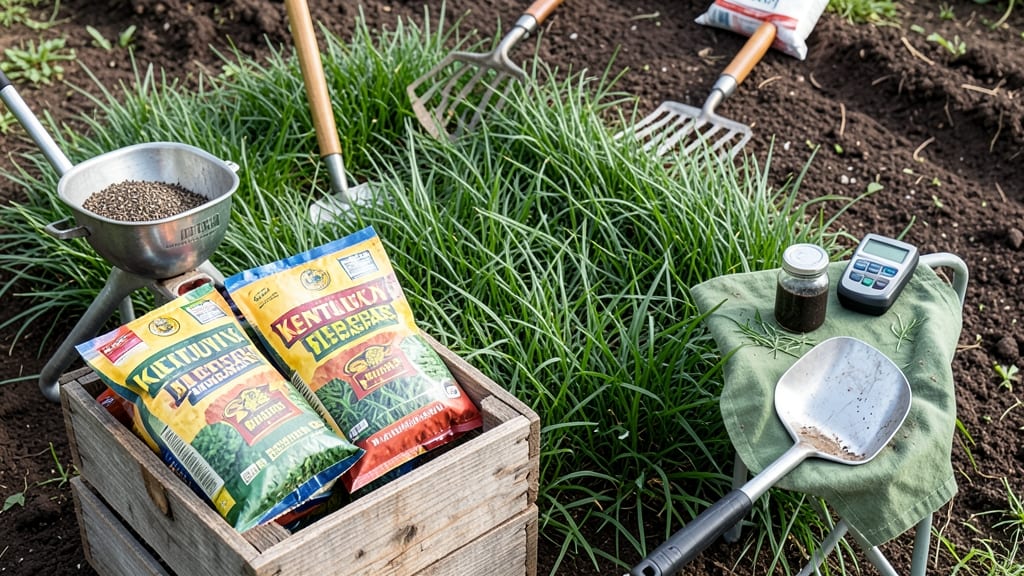
Timing your grass seed planting in Maine isn’t just about following a calendar—it’s about beating frost, soil temperature, and Maine’s famously fickle weather. Plant too soon, and a late frost will wipe out your hard work. Too late, and weeds will steal the show before your lawn gets a foothold.
Most gardeners in USDA zones 5b-6b swear by early spring (April-May) or early fall (August-September) planting, but Maine’s coastal and inland areas can shift those windows by weeks. The key? Waiting until soil reaches at least 50°F—when roots can finally take hold without freezing overnight.
I’ll break down exactly how to read frost maps, test soil warmth, and adjust for your specific corner of Maine—whether you’re in Portland’s milder coastal zone or inland areas where frost lingers until June. No more guessing games, just data-backed timing for a lawn that thrives.
Ready to turn your patchy yard into a lush, year-round green? Let’s dig into the science (and shortcuts) that make all the difference in Maine’s short growing season.
Maine’s ideal grass seed planting window by soil temperature
Maine’s cool climate demands precision when planting grass seed—soil temperature is the single most critical factor. For cool-season grasses like Kentucky bluegrass or fescue, the sweet spot is 50°F or warmer.
Planting too early risks frost damage, while waiting too long lets weeds steal your lawn’s spotlight. Let’s break down the perfect timing for Maine’s two planting windows: spring and fall.
Most of Maine falls in USDA zones 5b-6b, meaning frost can linger until mid-May in inland areas or as late as early June near coastal regions. Your goal? Plant 4-6 weeks before the last frost date to give seeds time to germinate without freezing.
For example, in Portland, that’s typically early April, while in Presque Isle, it’s often late May.
Here’s how to test your soil temperature: Use a soil thermometer (or a meat thermometer) to check 2 inches deep—the depth where seeds germinate. In spring, aim for 50-60°F; in fall, wait until soil cools to 60-70°F before planting. Coastal areas warm faster, so adjust accordingly.
Maine’s microclimates create dramatic shifts in planting dates. Coastal cities like Bar Harbor can plant 2-3 weeks earlier than inland spots like Augusta due to moderating ocean breezes. Always check your local USDA frost map and adjust for elevation—higher areas stay colder longer.
If you’re planting warm-season grasses like Bermuda (rare in Maine but possible in southern counties), wait until soil hits 65°F+, usually late May to June. But for 95% of Maine lawns, cool-season grasses are the way to go.
Pro tip: Early fall planting (late August to early September) often yields better results than spring. Cooler temps reduce weed competition, and seeds establish roots before winter. Just avoid planting after mid-September, when frost looms.
Now, let’s dive into the specifics with a quick reference table for Maine’s two best planting windows:
| Planting Window | Ideal Soil Temp | Maine Timeline | Key Considerations |
|---|---|---|---|
| Early Spring | 50-60°F | April-May (coastal) / May (inland) | Risk of frost; prep soil early |
| Early Fall | 60-70°F | Late August-Early September | Less weed competition; roots harden before winter |
| Late Fall (Overseeding) | 50-60°F | Mid-September-October | Thin lawns only; avoid if frost predicted |
For coastal Maine (e.g., Portland, Camden), you can push spring planting to early April if soil temps are stable. Inland areas like Bangor or Waterville should wait until mid-May to avoid frost. Always double-check with your local cooperative extension office for hyper-local advice.
One more tip: If you’re overseeding an existing lawn, aim for late summer (August) when established grass is still active but weeds are slowing down. This gives new seeds a 6-8 week head start before winter sets in.
Remember, consistent soil moisture is just as important as timing. Keep your seedbed evenly moist (not soggy) until germination, which typically takes 14-21 days in Maine’s cool climate. A light layer of straw mulch helps retain moisture and protect seeds from wind.
With the right timing and soil prep, you’ll be mowing a thick, weed-free lawn by summer—no more bare spots or crabgrass taking over! 🌱
How to calculate your Maine county’s frost-free date (and why it matters)
Timing your grass seed planting in Maine isn’t just about picking a month—it’s about understanding your local frost-free window. Maine’s geography creates microclimates where coastal areas like Portland thaw weeks earlier than inland spots like Presque Isle.
Knowing your exact last frost date ensures your grass seeds germinate before cold snaps strike and smother new growth.
Start by checking the USDA Plant Hardiness Zone Map for your county. Maine spans zones 4a-6b, but even within one zone, frost dates can vary by 10-14 days between coastal and inland areas.
For example, Portland’s last frost typically lands in mid-May, while Bangor’s often lingers until late May or early June. This difference can mean the gap between a thriving lawn and a failed planting.
Next, use the National Oceanic and Atmospheric Administration (NOAA) website to pull your county’s 30-year frost averages. Look for the “last spring frost” data—this tells you when the air temperature drops below 32°F after the growing season begins.
For grass seed germination, aim to plant 4-6 weeks before this date to give seeds time to establish roots before summer heat sets in.
Don’t forget to account for soil temperature, which lags behind air temperature. Even if the air hits 60°F, your soil might still be 45°F—too cold for most grass seeds to sprout.
Use a soil thermometer (available for $10-$15) to check depth at 2-3 inches; grass seeds need soil temps of 50°F+ for reliable germination.
📋 5 Steps to Pinpoint Your Frost-Free Date
- Find your USDA zone (Maine: 4a-6b) via USDA Map.
- Check NOAA’s frost data for your county’s last spring frost average.
- Adjust for microclimates: Coastal areas thaw 1-2 weeks earlier than inland.
- Test soil temperature with a thermometer—aim for 50°F+ at 2-3" depth.
- Plant 4-6 weeks before your last frost date for best results.
Pro tip: Bookmark the Maine State Climate Office website for real-time updates. Their weekly frost forecasts can help you adjust planting plans if an unexpected cold snap is predicted.
For example, if the forecast calls for 30°F nights in early May, delay planting until soil warms up—even cool-season grasses like Kentucky Bluegrass struggle to germinate below 45°F.
Once you’ve locked in your frost-free date, mark your calendar for early September as well—this is Maine’s second-best window for grass seed planting. Fall plantings give seeds time to establish roots before winter, often resulting in thicker, more resilient lawns the following spring.
Just remember: stop fertilizing by mid-October to avoid encouraging late-season growth that won’t harden off before frost.