
Plants
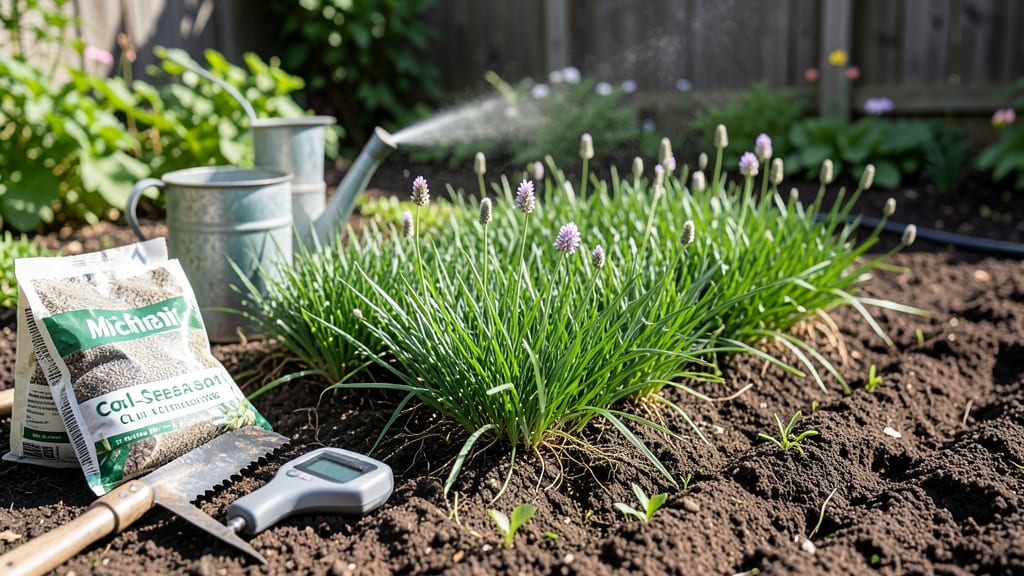
Timing your grass seed planting in Michigan’s spring can make or break your lawn’s success—get it wrong, and you’ll waste seed, money, and months of effort.
The key isn’t just waiting for warm weather; it’s understanding your USDA Zone 5b-6b climate, last frost dates, and soil readiness to give your 🌱 new lawn the best possible start.
Most Michigan gardeners rush to plant too early, only to watch their seeds rot in cold, damp soil or sprout too soon before the final frost. But there’s a sweet spot: typically between mid-April and early May in Southern Michigan, or late April to mid-May in the Upper Peninsula.
This window ensures your seeds germinate in stable, frost-free conditions while avoiding summer’s intense heat.
I’ll walk you through how to read Michigan’s unpredictable spring signals—soil temperature, moisture levels, and even your local weather patterns—to pinpoint the perfect moment. Plus, you’ll learn the 3 biggest mistakes that turn hopeful lawns into patchy disappointments (and how to avoid them).
Ready to transform your yard into lush, green perfection? Let’s dive into the exact steps to time your planting for a thick, vibrant lawn that’ll be the envy of your neighborhood.
Michigan’s ideal spring grass seed planting timeline by hardiness Zone
Michigan’s USDA Zones 5b-6b create a unique challenge for spring grass planting—late frosts can linger into mid-April in northern regions, while southern areas may see earlier thawing.
The key is planting when soil temperatures hit 50°F (10°C) and stay consistent, typically 4-6 weeks before your last frost date. For most of Michigan, this means targeting early April to mid-May, but timing varies by 10-14 days between the Upper and Lower Peninsulas.
Southern Michigan (e.g., Detroit, Kalamazoo) often sees its last frost by April 15, giving gardeners a March 15-April 1 window for early spring seeding. Meanwhile, northern areas (Traverse City, Marquette) may wait until mid-April to early May due to colder microclimates.
Always check your local frost-free date—the Michigan State University Extension provides updated maps annually.
Here’s the critical rule: Never plant when nighttime temperatures dip below 40°F (4°C). Grass seeds need consistent warmth to germinate, and cold snaps will stunt growth or kill seedlings. If you’re unsure, use a soil thermometer—50°F (10°C) is your magic number for germination.
For a second planting opportunity, late summer (early August) works for warm-season grasses like Bermuda or Zoysia, but cool-season types (Kentucky bluegrass, fescue) should stick to spring. Fall planting is also viable if you seed 6-8 weeks before frost (typically mid-September in southern MI, early September in the north).
| Zone & Region | Last Frost Date (Avg.) | Ideal Planting Window | Soil Temp Threshold | Key Grass Types |
|---|---|---|---|---|
| Zone 5b (Northern MI) | May 1-15 | April 15-May 1 | 50°F (10°C) | Tall fescue, fine fescue |
| Zone 6a (Southern MI) | April 15-30 | March 15-April 15 | 50°F (10°C) | Kentucky bluegrass, ryegrass |
| Great Lakes Shoreline | April 1-15 (warmer microclimate) | March 20-April 10 | 50°F (10°C) | Perennial ryegrass blends |
| Upper Peninsula | May 10-25 | April 20-May 5 | 55°F (13°C) | Creeping red fescue |
🌱 Pro Tip: Use a seed germination calculator for your ZIP code to refine timing.
Michigan’s clay-heavy soils in many regions also affect planting success. If your soil stays cold and compacted past the ideal window, consider covering seeds with straw to retain warmth or opting for warm-season grasses if you’re in a Zone 6a+ area.
Always test your soil’s pH (6.0-7.0 ideal)—Michigan’s acidic soils often need lime amendments before seeding.
For southern Michigan gardeners, early March plantings are possible if you use row covers or cold frames to protect seedlings from late frosts. However, this requires daily monitoring and isn’t recommended for beginners. Stick to the 4-6 week rule for foolproof results.
One common mistake is assuming all grass seeds germinate the same—cool-season grasses (like Kentucky bluegrass) sprout in 7-14 days at 50°F, while warm-season types (Bermuda) need 75°F+ and take 14-21 days. Match your seed to Michigan’s spring temperatures to avoid disappointment.
Finally, remember that rainfall patterns in spring can delay planting. If you’ve
How to prepare your Michigan lawn for spring grass seed planting
Preparing your lawn for spring grass seed planting in Michigan isn’t just about timing—it’s about creating the perfect foundation for your seeds to thrive. Michigan’s clay-heavy soils and unpredictable spring weather demand extra attention to ensure your new grass takes root strongly.
Start by testing your soil pH—ideal levels for most grass types hover between 6.0 and 7.0. If your soil is too acidic or alkaline, amend it with lime (to raise pH) or sulfur (to lower pH) at least 4-6 weeks before planting.
This gives the soil time to adjust naturally.
Next, tackle weed competition before it becomes a problem. Use a pre-emergent herbicide designed for lawns, or opt for manual removal if you prefer organic methods. Weeds steal nutrients and moisture from your new grass, so eliminating them early is critical.
For Michigan’s dense clay soils, aeration is a game-changer. Rent a core aerator to create 1/2-inch holes every 2-3 inches across your lawn. This improves airflow, water penetration, and root growth—especially important in Southern Michigan’s heavier clay regions.
When selecting grass seed, prioritize cool-season grasses like Kentucky bluegrass or tall fescue, which thrive in Michigan’s climate. Warm-season grasses like zoysia or Bermuda can struggle in Northern Michigan’s shorter growing season. Mixing seed types can also improve resilience against disease and drought.
Finally, rake your lawn to create a fine, level surface—this ensures even seed-to-soil contact. Remove rocks, sticks, and debris, then lightly rake the soil to break up clumps. For bare spots, consider adding a thin layer of compost or topsoil to improve seedbed quality.
With these steps, your Michigan lawn will be ready to welcome new grass seed when the frost-free window opens—setting the stage for a lush, healthy lawn all season long. 🌱