
Plants
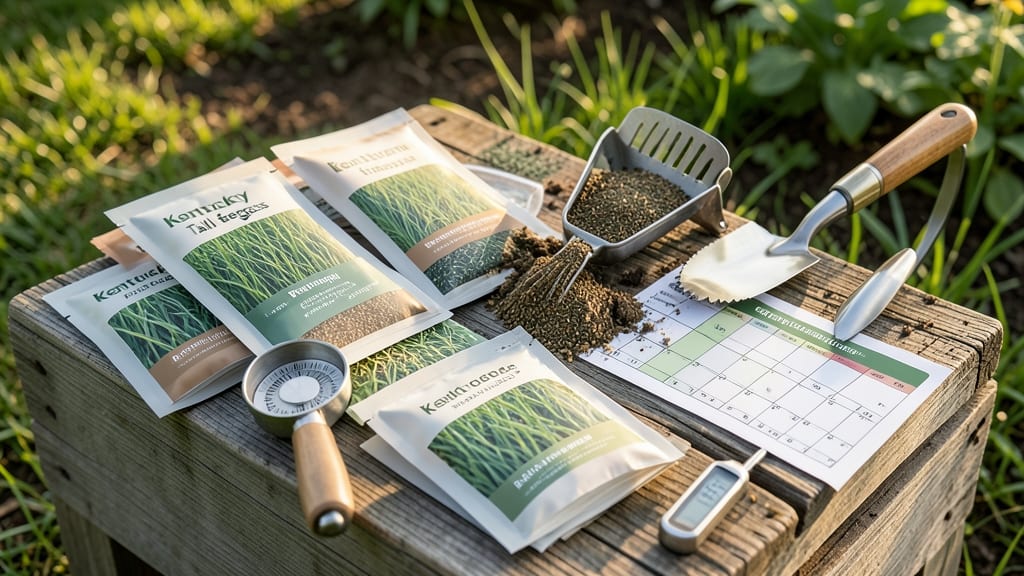
Best planting windows for Pennsylvania grass seed by hardiness zone
Pennsylvania's diverse climate—spanning USDA hardiness zones 5b to 7a—means the ideal time to plant grass seed varies by region. Whether you're in northern PA (zone 5b) or southern PA (zone 7a), timing is everything for fast germination and a thick lawn.
The two best windows are early spring (March-April) and early fall (September-October), but soil temperature and frost dates dictate the exact timing.
For spring planting, aim for when soil temperatures consistently reach 50°F or higher. In northern PA, this typically means late April to early May, while southern PA can start as early as mid-March.
Fall planting, however, is often preferred because cooler temperatures reduce weed competition and drought stress. Plant 4-6 weeks before the first frost, which usually falls between mid-October (northern PA) to early November (southern PA).
Here’s how Pennsylvania’s zones break down for optimal planting:
If you're overseeding an existing lawn, fall is the best time because cooler temps encourage root growth without stressing the grass.
For new lawns, spring planting can work if you’re in southern PA, but fall is still the safer bet due to Pennsylvania’s unpredictable weather patterns, including sudden frost or drought.
Microclimates also play a role. Lawns in shady or low-lying areas may need to be planted 1-2 weeks later than sunny, well-drained spots, as cooler air lingers longer. Always check your local Penn State Extension or NOAA frost maps for the most accurate dates in your specific area.
Another critical factor is grass seed variety. Cool-season grasses like Kentucky bluegrass and tall fescue (common in PA) thrive when planted in fall or early spring, while warm-season grasses like Bermuda grass (less common in PA) prefer late spring. Stick to cool-season types for Pennsylvania’s climate.
Finally, avoid planting in summer (June-August), as high temperatures and drought stress can kill seeds before they germinate. If you miss the fall window, wait until next spring—don’t plant in late fall or winter, as seeds won’t survive freezing temperatures.
By aligning your planting with Pennsylvania’s hardiness zones and frost dates, you’ll set your lawn up for uniform germination, faster establishment, and long-term resilience against PA’s variable weather. The key is patience and preparation—don’t rush!
Best planting windows for Pennsylvania grass seed by hardiness zone
Pennsylvania’s USDA hardiness zones 5b-7a create unique challenges for grass seed germination. The best planting windows are early spring (March-April) and early fall (September-October), when soil temperatures hover between 50°F-65°F. These windows ensure your seed germinates quickly before summer heat or winter frost sets in.
Southern PA (zones 6b-7a) can plant 2-3 weeks earlier than northern PA (zones 5b-6a). For example, Philadelphia gardeners might start in late February, while Erie residents should wait until mid-April. Always check your last frost date—aim to plant 4-6 weeks before the first frost for fall success.
Soil temperature is your best indicator: use a soil thermometer to confirm it’s at least 50°F. In spring, wait until the ground warms consistently; in fall, plant when nights cool but days stay mild. Kentucky bluegrass and tall fescue thrive in these windows, while cool-season grasses like ryegrass perform best in fall.
Fall planting is often more successful in Pennsylvania because cooler temperatures reduce weed competition and disease pressure. Seeds germinate slowly in fall, establishing deep roots before winter. For new lawns, spring planting works best; for overseeding, fall is ideal to fill thin patches.
Microclimates matter! Shady spots (like under trees) stay cooler longer, so plant 2-3 weeks later than sunny areas. Use cool-season grasses like fine fescue for shady lawns—they tolerate lower light better. Always test your soil’s pH (6.0-7.0) and organic matter before planting to avoid poor germination.
Avoid planting in summer (June-August)—PA’s heat causes seeds to dry out or sprout unevenly.
If you miss the spring/fall windows, late summer (August) is a secondary option for drought-tolerant varieties like tall fescue, but results may be patchy. Timing is everything—follow these windows for a lawn that stays lush year-round!