
Plants
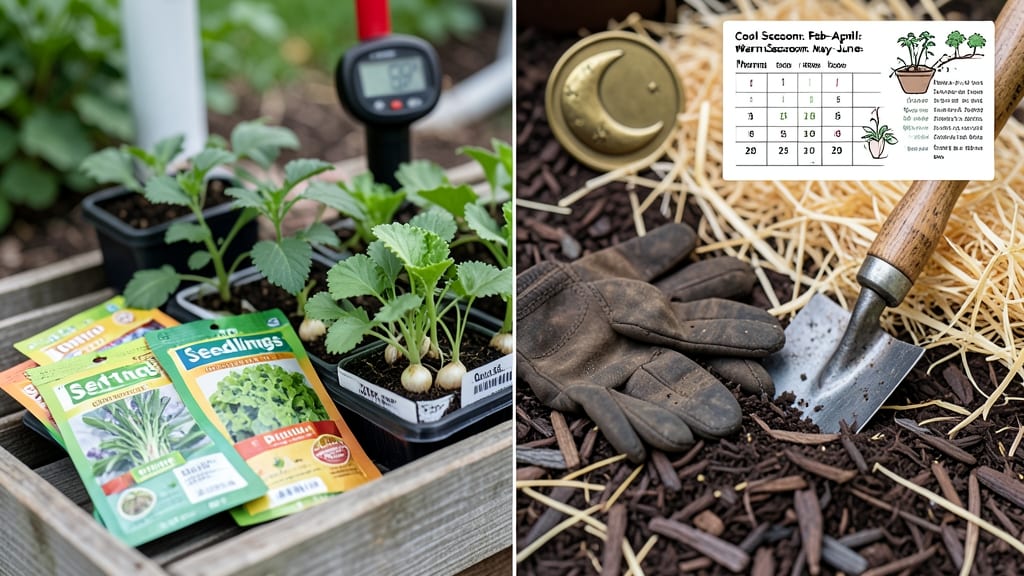
Planting your garden at the right time in Kentucky can mean the difference between a thriving harvest and wasted effort.
Knowing when to plant in KY isn't just about following a calendar—it's about understanding your local frost dates, soil warmth, and even microclimates that vary from the Bluegrass Region to the Appalachian foothills.
If you've ever planted too early and lost seedlings to frost or waited too long and missed the growing season, you know how crucial this is. The key is aligning your planting with Kentucky's 6a-7a zones, where last frost typically hits around mid-April and first frost arrives in mid-October.
I'll walk you through the exact windows for cool-season crops like lettuce (plant in February-March) and warm-season favorites like tomatoes (wait until May). No more guesswork—just actionable deadlines tailored to your zone.
Whether you're a beginner or a seasoned gardener, these insights will help you maximize your garden's potential year after year. Let's get those seeds in the ground at the perfect moment!
Kentucky’s frost-free dates by USDA hardiness Zone & best planting months
Kentucky spans USDA Zones 5b through 7a, with dramatic differences between the Bluegrass Region (Zone 7a) and the Appalachian foothills (Zone 5b). These zones dictate your last frost dates, which are critical for planning.
In Zone 7a (Louisville, Lexington), expect your last frost around April 15, while Zone 5b (Eastern KY) may see frost lingering until May 1. First frosts arrive earlier in the mountains (October 15) than in western KY (November 1).
Understanding these dates helps you decide when to plant cool-season crops (like spinach or peas) versus warm-season crops (like tomatoes or peppers). Cool-season crops thrive in soil temperatures below 70°F and should be planted 4-6 weeks before the last frost.
Warm-season crops, however, need soil temps above 60°F and can’t tolerate frost, so wait until after your average last frost date.
Here’s how to use this data: If you’re in Zone 6a (Bowling Green, Frankfort), start cool-season crops in March and warm-season crops in mid-April. For Zone 7a, shift warm-season planting to early April. Always check local almanac records or use a frost calendar app for year-to-year variations.
🌱
| USDA Zone | Avg. Last Frost | Avg. First Frost | Cool-Season Planting | Warm-Season Planting | Frost-Free Days |
|---|---|---|---|---|---|
| 5b (Eastern KY) | May 1 | October 15 | March 15-April 1 | May 15-June 1 | 150-160 |
| 6a (Western KY) | April 15 | October 30 | March 1-April 15 | April 15-May 15 | 165-180 |
| 7a (Bluegrass) | April 1 | November 1 | February 15-April 1 | March 15-April 30 | 180-200 |
For Zone 5b, prioritize early-maturing varieties of warm-season crops, like bush beans or zucchini, to harvest before the first frost. In Zone 7a, you can stretch your season by planting fall crops (like kale or radishes) in late summer for a harvest before winter sets in.
Always adjust for microclimates—urban areas may warm up faster than rural spots, while valleys can hold frost longer.
Soil temperature is just as critical as air temperature. Use a soil thermometer to confirm 60°F+ for warm-season crops before planting. In Zone 6a, this often means waiting until mid-April, even if the last frost passed earlier.
For cool-season crops, aim for soil temps below 70°F—planting too early in warm soil can cause bolting (premature flowering) in lettuce or spinach.
Extend your growing season with row covers or cold frames to protect early plantings from late frosts. In Zone 5b, these tools can add 2-3 weeks to your planting window. Conversely, use black plastic mulch to warm soil faster in Zone 7a if you’re eager to plant early.
Always monitor weekly weather forecasts in spring, as sudden cold snaps can damage tender seedlings.
🌿
Pro tip: Keep a gardening journal to track your local frost dates and soil conditions. Over time, you’ll refine your planting schedule to match your specific microclimate.
For example, my Zone 6a garden in Bowling Green often sees its last frost 2 weeks earlier than the average, thanks to urban heat island effects. Adjusting my timeline based on real data has boosted my harvests significantly.
💧
Top 10 crops to plant in Kentucky (with exact timing for maximum yield)
Kentucky’s diverse climate makes it perfect for growing everything from heat-loving tomatoes to cool-season greens. But timing is everything—plant too early, and frost will kill your seedlings; too late, and your harvest suffers.
I’ve narrowed down the top 10 crops that thrive here, with precise planting windows tailored to Kentucky’s USDA Zones 5b-7a.
For maximum yield, align your planting with soil temperatures and frost dates. For example, tomatoes and peppers need warm soil (60°F+) and should wait until after the last frost (typically mid-April to early May in most zones).
Meanwhile, lettuce and spinach can handle cooler temps and should go in 4-6 weeks before the last frost.
Here’s my ranked list of Kentucky’s best crops, with exact planting times and pro tips to avoid common mistakes:
Plant after last frost (mid-April to early May). Use row covers for early starts in Zone 5b.
Sow late April to early May when soil is 50°F+. Plant in blocks, not rows, for better pollination.
Direct-sow 4-6 weeks before last frost (March) or late summer for fall harvest. Succession plant every 2 weeks.
Start indoors 8-10 weeks before last frost (February) or transplant after last frost. Needs full sun and consistent water.
Plant after soil warms to 60°F (mid-April to early May). Choose bush or pole varieties for Kentucky’s heat.
Sow early spring (March) or late summer (August) for fall harvest. Tolerates light frost but bolts in heat.
Plant after last frost (May) when soil is warm. Use black plastic mulch to speed up soil warming.
Sow as soon as soil can be worked (March-April) or late summer. Thin seedlings to 2-3 inches apart.
Transplant after last frost (May) when nights stay above 50°F. Pinch back flowers to prolong harvest.
Direct-sow after last frost (May) for summer-long blooms. Deadhead spent flowers to encourage more blooms.
Pro tip: For Zone 5b (eastern KY), extend your season with row covers or a cold frame to plant cool-season crops earlier. In Zone 7a (western KY), focus on heat-tolerant varieties like ‘Arkansas Traveler’ tomatoes or ‘Black Krim’ cucumbers.
Remember, succession planting is key for continuous harvests. For example, sow lettuce every 2 weeks from March to August, and bush beans every 3 weeks from May to July. This ensures you’re never without fresh produce!
🌱