
Plants
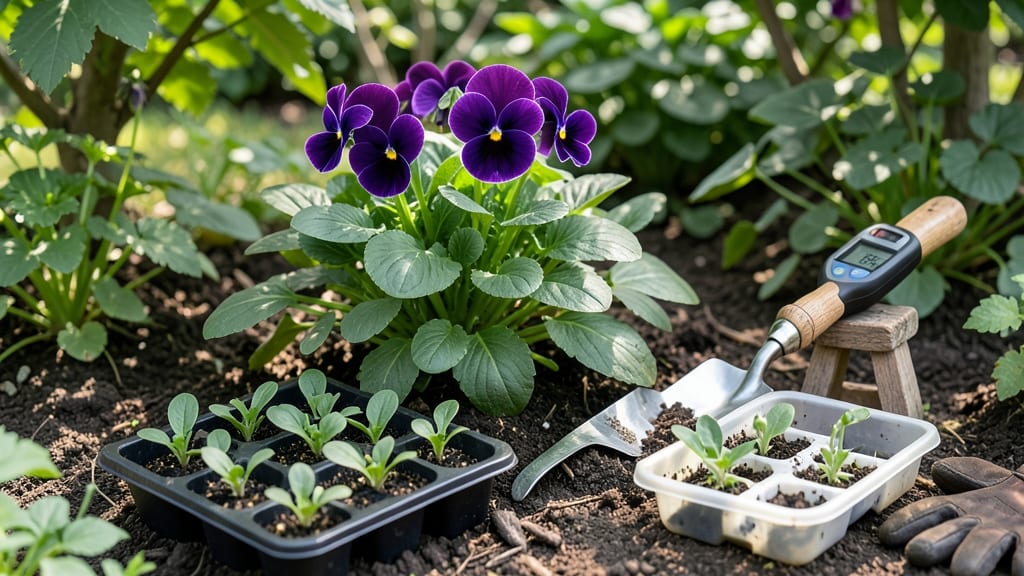
Timing your pansy planting in Michigan can feel like a high-stakes guessing game—get it wrong, and you might miss out on those cheerful 🌸 blooms that brighten up your garden from spring to fall.
The key to success lies in understanding Michigan’s USDA 5b-6b climate and when frost typically arrives. Planting too early risks frost damage, while waiting too long might delay your vibrant displays.
I’ll break down the exact windows for both spring and fall planting, so you can enjoy pansies that thrive year-round.
You’ll also discover how to prepare your soil for optimal growth and protect your plants from Michigan’s unpredictable weather. With the right timing and care, you can turn your garden into a nonstop parade of color—starting as early as March and lasting well into autumn.
Ready to transform your outdoor space? Let’s dive into the best strategies for planting pansies in Michigan, so you can enjoy their beauty without the guesswork.
Michigan’s frost dates for planting pansies: by region and month
Timing pansy planting in Michigan depends heavily on your USDA hardiness zone and local frost dates. Pansies thrive in zones 3-7, but Michigan’s three distinct regions—Upper Peninsula, Northern Lower Peninsula, and Southern—each have unique frost patterns that dictate the best planting windows.
According to Michigan State University Extension, these differences can mean a 2-4 week shift in optimal planting times.
In the Upper Peninsula (USDA zones 4-5), where frosts linger longer, aim to plant pansies 4-6 weeks before your average last frost date, typically late April to early May.
For the Northern Lower Peninsula (zones 5b-6a), this window shifts to mid-April to early June, while Southern Michigan (zones 6a-6b) gardeners can plant as early as early April or even late March in sheltered microclimates.
Fall planting is equally critical for winter interest. In all regions, plant pansies 6-8 weeks before the first frost, usually late August to mid-September. This timing ensures roots establish before winter, allowing pansies to rebound quickly in spring.
For example, Detroit’s first frost often hits mid-October, so late August planting is ideal there.
Here’s how Michigan’s three regions compare for both spring and fall planting, including frost dates and ideal windows:
For extra-long blooms, I recommend staggered planting in both spring and fall. For example, in Southern Michigan, plant a third of your pansies in early April, another third in mid-April, and the final third in late April.
This ensures continuous color from late spring through early winter, even if some varieties fade earlier.
If you’re unsure about your local frost dates, check the National Weather Service or use Michigan State University’s Garden Tool for real-time updates. Pro tip: Hardy pansy varieties like ‘Ice Dance’ or ‘Eyes on You’ tolerate 20°F temperatures, making them ideal for Michigan’s unpredictable winters.
Always plant pansies in well-draining soil with partial shade to prevent wilting. In heavy clay soils common in Michigan, mix in compost or sand to improve drainage. This simple step can double your pansies’ lifespan in the garden.
For gardeners in urban areas, microclimates near buildings or paved surfaces can delay frost by 1-2 weeks. Use this to your advantage by planting pansies 1-2 weeks earlier in these spots. Just monitor soil temperature—pansies prefer 45-65°F for optimal growth.
Finally, remember that fall-planted pansies often outperform spring ones in Michigan’s climate. They establish roots before winter, bounce back faster in spring, and provide early pollinator support when few other flowers are blooming. With the right timing, your pansies can bloom for 8+ months in a single season!
How to extend pansy blooms: planting strategies for longer seasons
Michigan’s short growing season doesn’t mean you have to miss out on pansy blooms from spring through fall. The secret lies in staggered planting and smart variety choices. By planting in both spring and fall, you can create a continuous display of colorful flowers that brighten your garden year-round.
Start with fall planting in August or early September, about 6-8 weeks before your region’s first frost. This gives pansies time to establish roots before winter sets in. In southern Michigan, aim for late August, while northern regions should plant in early September to avoid early frosts.
For spring blooms, plant 4-6 weeks after your last frost date—typically mid-April to early May in most of Michigan. This timing ensures your pansies have time to root before summer heat arrives, keeping them vibrant longer.
🌱 Pro Tip: Extend Blooms with These Strategies
- Stagger plantings every 3-4 weeks in spring and fall for continuous color.
- Choose cold-hardy varieties like 'Ice Dance' or 'Eyes on You' for longer seasons.
- Use frost cloth in early fall to protect young plants from light frosts.
- Deadhead spent blooms to encourage new flowers and extend the season.
Don’t overlook microclimates in your garden. South-facing beds warm up faster in spring, while north-facing areas stay cooler longer—ideal for fall pansies. If your garden has hot microclimates, opt for shadier spots to prevent wilting during summer heat.
For extra-long blooms, fertilize lightly with a balanced 5-10-10 formula in early spring and fall. Avoid heavy feeding in summer, as this can stress plants during Michigan’s dry spells. Instead, focus on consistent watering to keep soil moist but not soggy.
With these strategies, your pansies can bloom from April until first frost in October, giving you 6+ months of color in your Michigan garden! The key is timing, variety selection, and care—not just luck.