
Plants
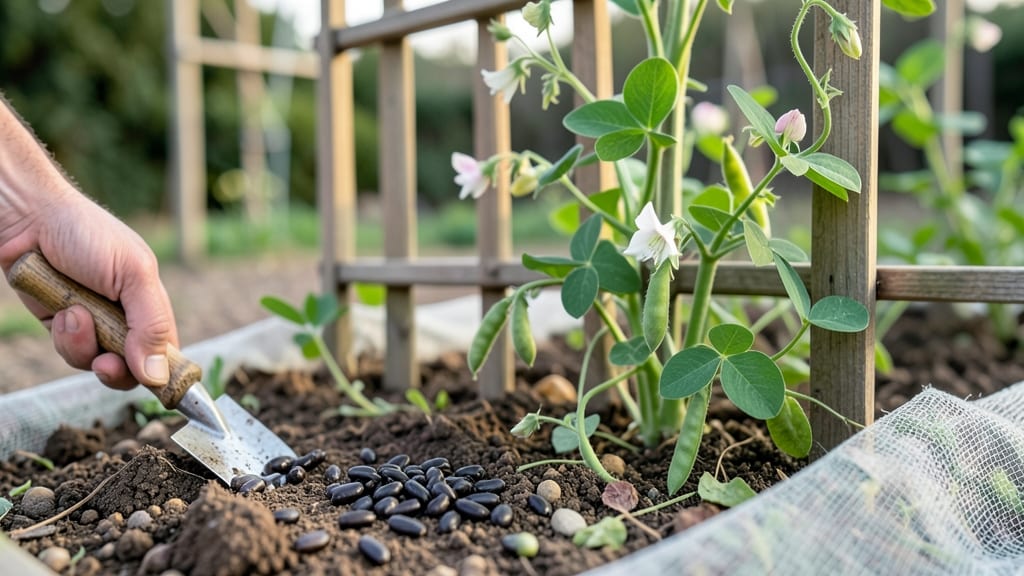
Best planting times for peas in East Tennessee by variety type
East Tennessee’s USDA Zones 6b-7a create a unique challenge for pea growers, with late frosts often lingering until mid-March and short growing seasons forcing quick harvests.
The key to success lies in planting at the right time for each pea variety, whether you're growing sugar snap peas, shelling peas, or snow peas. Let’s break down the optimal planting windows to maximize your harvest potential.
For most East Tennessee gardeners, the primary planting window opens in late February to early March, about 4-6 weeks before your average last frost date. This timing allows peas to germinate in cool soil while avoiding the worst of winter’s chill.
However, some cold-hardy varieties can be sown as early as January in protected microclimates, like near south-facing walls or under row covers.
Peas are cool-season crops that thrive when soil temperatures hover between 40°F and 75°F. In East Tennessee, this typically means planting between February 15 and April 15 for spring harvests.
If you’re aiming for a fall crop, late summer planting (around August 15 to September 15) gives peas time to mature before the first frost in November.
Here’s a quick reference for planting timing by variety type:
| Variety Type | Best Planting Window | Days to Harvest | Notes |
|---|---|---|---|
| Shelling Peas | Feb 15 - Mar 30 | 60-70 days | Cold-hardy; plant early for spring harvest |
| Sugar Snap Peas | Mar 1 - Apr 15 | 55-65 days | Needs slightly warmer soil; use trellis |
| Snow Peas | Mar 15 - Apr 10 | 50-60 days | Fastest-maturing; ideal for short seasons |
| Fall Planting (All Types) | Aug 15 - Sep 15 | 60-75 days | Use cold-tolerant varieties; harvest before frost |
Microclimates in East Tennessee can shift planting windows by 2-4 weeks. For example, higher elevations in the Great Smoky Mountains may experience frost until April 1, while lower valleys in Knoxville or Chattanooga might see frost-free conditions by March 15.
Always check your local Almanac’s frost dates and adjust accordingly.
Succession planting is another smart strategy for East Tennessee gardeners. Since peas have a short harvest window (typically 4-6 weeks), sow new seeds every 2 weeks from February through April. This ensures a continuous supply of fresh peas without overwhelming your garden at once.
If you’re new to growing peas, start with shelling peas like ‘Green Arrow’ or ‘Lincoln’, which are cold-tolerant and disease-resistant. These varieties are forgiving for beginners and perform well in East Tennessee’s humid, sometimes damp conditions.
For a quicker harvest, try ‘Sugar Sprint’ snap peas, which mature in just 55 days.
Pro tip: Soak pea seeds overnight before planting to speed up germination, especially if your soil is cold or dry. This is particularly useful in East Tennessee’s early spring, when soil temperatures can fluctuate wildly.
Plant seeds 1 inch deep and 2-3 inches apart, with rows spaced 12-18 inches apart for easy access and airflow.
Timing your pea planting isn’t just about the calendar—it’s also about reading your garden’s cues. Watch for consistent soil temperatures above 40°F and daytime highs reaching 60°F before sowing.
In East Tennessee, this often aligns with St. Patrick’s Day (March 17), but don’t rely on the date alone—soil thermometers are your best friend!
Remember, peas are self-pollinating, so you don’t need to worry about cross-pollination or spacing multiple varieties too far apart. However, avoid planting peas in the same spot year after year, as this can lead to soil-borne diseases.
Rotate them with beans, carrots, or onions to keep your garden healthy.
How to adjust pea planting for East Tennessee’s frost risks
East Tennessee’s unpredictable frost dates—often between March 15 and April 15—can turn a promising pea crop into a frozen disappointment if you’re not prepared. Unlike heat-loving veggies, peas actually thrive in cooler weather, but seedlings are extremely vulnerable to late frosts that can kill them in days.
The key is to plant at the right time and use protective strategies to shield tender shoots.
Most gardeners in USDA Zones 6b-7a aim to plant peas 4-6 weeks before the last frost date. However, if your area has a history of late frosts (like the Smoky Mountains), you may need to adjust.
For example, in Johnson City, where frosts linger longer, I’ve had success planting snow peas in late February under row covers, while shelling peas wait until mid-March for safety.
Here’s the critical frost risk timeline for East Tennessee: If temperatures dip below 25°F, even mature pea plants can suffer damage. Seedlings, however, are lost at 28°F or lower. That’s why I always check the National Weather Service’s frost predictions for my county before planting.
For instance, Knoxville’s average last frost is April 1, but I’ve seen it push into mid-April in some years.
⚠️ Frost Protection Must-Dos
❄️ Never plant peas without a backup plan if your area has late frosts. Here’s what I do:
- Use row covers (floating fabric) to raise soil temps by 5-8°F—critical for seedlings.
- Choose cold-hardy varieties like ‘Green Arrow’ or ‘Lincoln’, which tolerate 20°F.
- Warm the soil with black plastic mulch 2 weeks before planting to speed germination.
- Avoid planting in low spots where cold air pools—opt for south-facing slopes.
Pro Tip: If a frost warning hits, cover plants immediately with blankets or old sheets—even 30°F can stress seedlings.
Another strategy I swear by is succession planting. Instead of betting everything on one planting, I sow peas every 2 weeks from February to April. This way, if the first batch gets nipped by frost, the later plantings have a better shot.
For fall crops, I start seeds indoors in August and transplant after Labor Day to avoid early frosts.
Don’t overlook microclimates in East Tennessee. Valleys like the Cumberland Plateau can be 5°F colder than ridges, while urban areas (like Chattanooga) may experience heat islands that delay frosts.
I always test my garden’s microclimate by planting a frost-sensitive crop like lettuce in early spring—if it survives, peas likely will too.
Finally, soil temperature is just as critical as air temperature. Peas won’t germinate well below 40°F. To check, bury a soil thermometer 2 inches deep—if it’s under 45°F, wait a week or use heat mats for containers.
In my Zone 7a garden, I’ve had to delay planting until mid-March in cooler years, but the trade-off is healthier, frost-resistant plants.
With these adjustments, you can beat East Tennessee’s frost risks and enjoy a steady harvest of sweet peas—whether you’re growing snow peas for stir-fries or shelling peas for fresh eating. The secret? Plan ahead, protect seedlings, and stay flexible with your planting dates. 🌱