
Plants
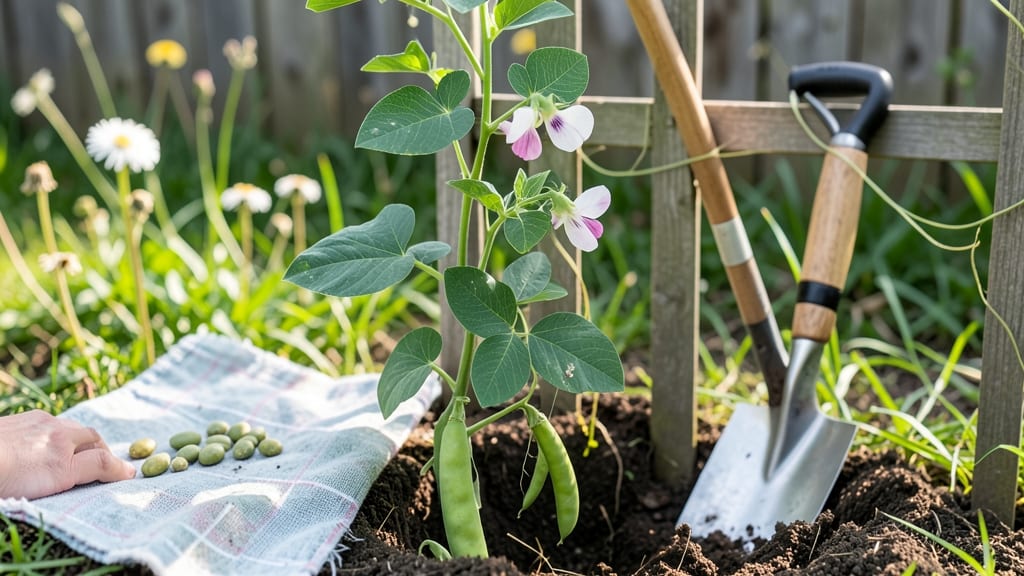
Timing your peas planting in Nebraska can mean the difference between a bountiful harvest and a sad, frost-nipped failure. The 5a-6b zone might seem forgiving, but those early spring chills can sneak up fast—especially when you're eager to get your 🌱 garden growing.
I’ve learned the hard way that planting too soon risks losing tender young shoots, while waiting too long might mean missing the sweet spot for those crisp, fresh pods by June.
Here’s the secret: Nebraska’s frost-free window is your best friend, but it’s not one-size-fits-all. Whether you’re in the eastern plains or the western hills, the last frost date shifts slightly—usually landing in mid-April.
That means if you’re itching to plant in March, you’ll need to pick cold-hardy varieties like ‘Green Arrow’ or ‘Lincoln’ to survive those unpredictable late frosts. But don’t worry—we’ll break down exactly which varieties thrive in your specific corner of the state.
What you’ll discover is how to stretch your pea season for maximum harvests. From the early spring rush to late-summer plantings that surprise you with fall pods, Nebraska gardeners have options.
I’ll share my top strategies for succession planting, soil prep, and even how to protect your peas from those sneaky October freezes. Ready to turn your garden into a pea powerhouse? Let’s get started.
The best part? You don’t need a green thumb to nail this. With the right timing, even beginners can grow peas that outshine the grocery store’s sad, shriveled offerings.
Whether you’re aiming for shelling peas, snappy snap peas, or delicate snow peas, this guide will help you plant with confidence—and harvest like a pro. Let’s make sure your peas don’t just survive Nebraska’s climate—they thrive in it.
Nebraska pea planting calendar: frost dates and variety-specific windows
Nebraska’s USDA zones 5a-6b create a unique balance for growing peas, where early springs and late frosts demand precision. The key to success lies in understanding your last frost date—typically mid-April in most regions—and choosing varieties that thrive in these conditions.
Plant too early, and frost will kill tender seedlings; too late, and you’ll miss the 60-75 day harvest window for most varieties.
For Nebraska gardeners, the best time to plant peas falls between late March and early April for spring crops, with a secondary window in late August to early September for fall harvests.
However, not all pea varieties perform equally—shelling peas like 'Lincoln' and 'Wando' tolerate cooler temperatures, while snap peas like 'Sugar Snap' prefer slightly warmer soil.
Here’s the breakdown of Nebraska’s frost-free zones and ideal planting windows by pea variety, tailored to the state’s climate:
| Variety Type | Cold Hardiness | Optimal Planting Window | Days to Harvest | Nebraska Notes |
|---|---|---|---|---|
| Shelling Peas (e.g., 'Lincoln') | Very Cold-Tolerant | Late March - Early April | 60-75 days | Best for early springs; can handle light frosts. |
| Snap Peas (e.g., 'Sugar Snap') | Cold-Tolerant | Early April - Mid-April | 55-65 days | Wait until soil warms slightly for best germination. |
| Snow Peas (e.g., 'Oregon Sugar Pod') | Moderately Cold-Tolerant | Mid-April - Early May | 60-70 days | Sensitive to frost; plant after last frost date. |
| Fall Varieties (e.g., 'Green Arrow') | Cold-Tolerant | Late August - Early September | 50-60 days | Harvest before first frost in October. |
In western Nebraska (e.g., Panhandle region), where last frost dates can occur as late as May 1, shift your planting window to late April for spring crops. Conversely, eastern Nebraska (e.g., Omaha area) often sees earlier last frosts by mid-April, allowing for earlier plantings.
Always check your local Almanac frost dates or use a soil thermometer—peas germinate best in 40-50°F soil.
For container gardening in Nebraska, start seeds indoors 4-6 weeks before your target outdoor planting date. Use biodegradable pots to transplant seedlings directly into the garden, minimizing root disturbance. This method is especially useful for gardeners in USDA zone 5a, where cold snaps are more frequent.
Pro tip: Mark your calendar for Mother’s Day weekend (early May), a traditional time for planting peas in many Nebraska gardens. By then, soil temperatures are ideal, and the risk of frost has significantly decreased.
Pair this with a trellis system to save space and improve air circulation, reducing the risk of powdery mildew in Nebraska’s humid summers.
Don’t overlook succession planting—sow a second crop of early-maturing varieties like 'Little Marvel' every 2 weeks after your initial planting. This ensures a steady supply of fresh peas throughout the June-July harvest window.
For fall crops, aim to plant by August 15 to allow enough time for maturation before the first frost.
If you’re in a high-elevation area (e.g., near the Rocky Mountains), adjust your timeline by 1-2 weeks later due to cooler temperatures. Monitor weather forecasts closely—late spring frosts can still occur in Nebraska as late as May 10, especially in northern regions like North Platte.
Finally, consider cover crops like clover or vetch planted in the fall before peas. These improve soil structure and add nitrogen, giving your peas a head start in Nebraska’s clay-heavy soils. With the right timing and preparation, you’ll enjoy homegrown peas that outshine store-bought any day!
How to extend your Nebraska pea season: succession planting and cold-tolerant varieties
Nebraska’s short growing season doesn’t mean you have to settle for a single pea harvest. With the right cold-tolerant varieties and succession planting strategies, you can enjoy fresh peas from early spring through fall.
Start with early-season varieties like 'Lincoln' or 'Green Arrow,' which thrive even when soil temperatures hover around 40°F.
For a fall harvest, plant late-season varieties like 'Wando' or 'Oregon Sugar Pod' in late August. These varieties tolerate cooler temperatures and can produce pods well into October, even as frost approaches.
The key is choosing varieties that match your local frost dates—eastern Nebraska’s later frost windows allow for an extra 2-3 weeks of growth compared to western regions.
Cold-hardy varieties: 'Lincoln,' 'Green Arrow,' 'Alaska'
Soil temp: 40-50°F (use frost blankets if needed)
Sow every 2-3 weeks for continuous harvest
Best for: 'Little Marvel,' 'Tom Thumb' (dwarf varieties)
Cold-tolerant varieties: 'Wando,' 'Oregon Sugar Pod'
Aim for 60-70 days to maturity before frost
Protect your early crops with frost cloth or low tunnels if late frosts threaten. These simple covers raise temperatures by 5-10°F, giving delicate vines a fighting chance.
For container gardening, use 5-gallon buckets filled with compost-rich soil—this method warms up faster in spring and can be moved to extend the season.
Don’t overlook soil preparation for fall plantings. Amend your beds with compost in late summer to improve drainage and fertility. Peas are light feeders, so avoid heavy fertilizers—too much nitrogen leads to leafy growth at the expense of pods.
Instead, focus on phosphorus-rich amendments like bone meal to encourage strong root development.
Monitor your peas for powdery mildew, a common fungal issue in Nebraska’s humid summers. Space plants 2-3 inches apart and water at the base to keep foliage dry.
If mildew appears, treat with a baking soda spray (1 tbsp baking soda + 1 quart water + a drop of dish soap) for organic control.
With these strategies, you’ll enjoy homegrown peas for nearly half the year—from the first tender shoots in spring to the last sweet pods before frost. The secret? Plan ahead, choose the right varieties, and give your peas the protection they need to thrive in Nebraska’s unpredictable climate. 🌱