
Trees
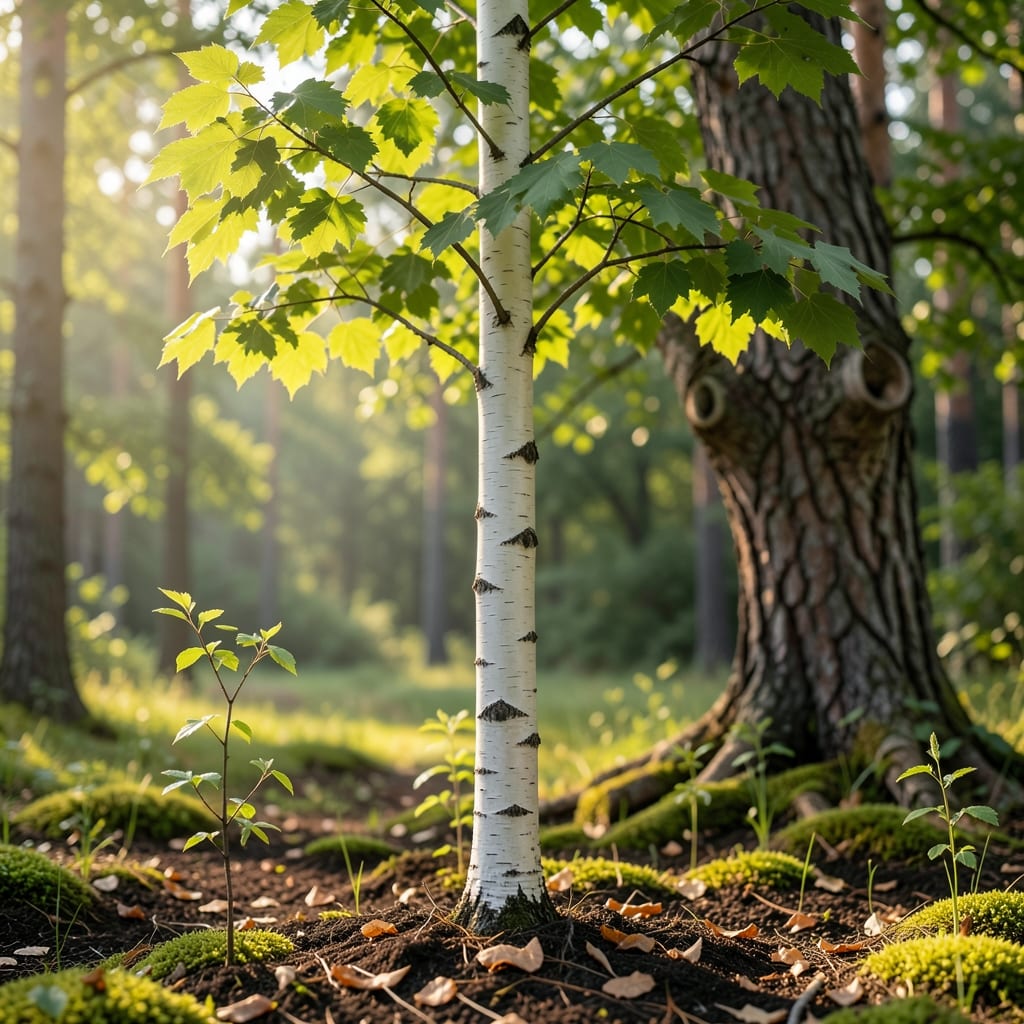
If you've ever wondered how tall can a birch tree grow, the answer might surprise you—these graceful 🌳 giants can soar to heights that rival skyscrapers in some cases. Whether you're dreaming of a towering paper birch or a stately river birch for your landscape, understanding their growth potential is key to planning your garden layout.
Birch trees aren't just tall—they're fast growers too, with some species shooting up 3-5 feet per year in ideal conditions. But their mature height can vary dramatically depending on the species, with dwarf cultivars staying under 25 feet while standard varieties reach 75 feet or more.
Soil quality, climate, and proper care play huge roles in determining how tall your birch tree will grow. In USDA Zone 6a, where many gardeners plant them, these trees thrive with the right spacing and maintenance—giving you the perfect balance of height and beauty for your outdoor space.
Ready to transform your yard? I'll walk you through everything you need to know about birch tree growth, from species comparisons to practical tips for managing their height. Let's get started!


Maximum height by birch tree species: growth limits explained
Birch trees are famous for their striking white bark and delicate leaves, but their height potential varies dramatically between species. Some varieties grow tall enough to rival skyscrapers, while others stay compact enough for smaller gardens. Understanding these differences helps you choose the perfect birch for your space and climate.
When planning your landscape, consider that taller birch species can reach heights of 50–80 feet, while dwarf varieties top out at just 15–25 feet. The right choice depends on your yard size, sunlight exposure, and long-term maintenance goals.
Here’s how the most popular birch species compare in terms of mature height, with regional variations factored in:
| Species | Mature Height (ft) | Growth Rate (ft/year) | Best For |
|---|---|---|---|
| Paper Birch (Betula papyrifera) | 50–75 ft | 1–2 ft | Large yards, woodland edges |
| Yellow Birch (Betula alleghaniensis) | 60–80 ft | 1–1.5 ft | Moist, shady forests |
| River Birch (Betula nigra) | 40–60 ft | 2–3 ft | Wet soil, urban landscapes |
| Dwarf Birch (Betula pendula 'Fastigiata') | 15–25 ft | 0.5–1 ft | Small gardens, containers |
| Cherry Birch (Betula maximowicziana) | 50–80 ft | 1.5–2.5 ft | Fast-growing shade trees |
The paper birch and yellow birch are the tallest native species, often dominating forests in the northeastern U.S. Their height makes them ideal for windbreaks or statement focal points in large properties. Meanwhile, the river birch thrives in southern climates with its peeling bark and drought tolerance, making it a favorite for urban planting.
For smaller spaces, dwarf birch cultivars like 'Fastigiata' offer the same elegant foliage without the towering presence. These varieties grow just 15–25 feet tall but still deliver the signature white bark and golden fall color. Their compact size makes them perfect for borders or container gardening on patios.
Climate plays a surprising role in height potential. Birch trees in cooler northern regions often grow taller than those in warmer southern climates, where heat can stunt their growth. For example, a paper birch in Minnesota might reach 70 feet, while one in Georgia may max out at 50 feet.
If you’re dreaming of a birch tree as a backyard centerpiece, measure your space carefully. A 60-foot tree needs at least 30 feet of clearance from structures, power lines, and neighboring plants. Always check local regulations, as some areas restrict tall tree planting near roads or homes.
Pro tip: When planting a birch, dig a hole twice as wide as the root ball but no deeper. This encourages root spread, which stabilizes the tree and supports its height potential over time.
🌳
Maximum height by birch tree species: growth limits explained
Birch trees are famous for their slender trunks and delicate foliage, but their height potential varies dramatically between species. If you're planning to plant one, knowing these height limits will help you choose the right variety for your space. Some birch trees can reach towering heights of 70+ feet, while others stay much smaller.
For example, the paper birch (Betula papyrifera) is one of the most iconic species, often growing between 50 to 75 feet tall in ideal conditions. Meanwhile, the yellow birch (Betula alleghaniensis) typically reaches 60 to 80 feet, making it one of the tallest birch varieties. These giants can easily overshadow a 5-story building!
| Species | Mature Height | Growth Rate | Best For |
|---|---|---|---|
| Paper Birch | 50–75 ft | 1–2 ft/year | Large landscapes, parks |
| Yellow Birch | 60–80 ft | 1.5–2.5 ft/year | Moist, wooded areas |
| River Birch | 40–60 ft | 1–2 ft/year | Wet soils, water features |
| Dwarf Birch (e.g., 'Fastigiata') | 15–25 ft | 0.5–1 ft/year | Small gardens, containers |
| Cherry Birch | 30–50 ft | 1–1.5 ft/year | Urban landscapes, courtyards |
Smaller varieties like the dwarf birch (Betula pendula 'Fastigiata') are perfect for gardens with limited space, topping out at just 15 to 25 feet. These compact trees grow slowly but offer the same stunning bark and foliage on a smaller scale. If you're in a USDA Zone 6a or higher, you’ll find plenty of options to fit your yard’s size.
Regional climate plays a huge role in height potential. Birch trees in northern climates often grow taller due to cooler temperatures and longer growing seasons. In contrast, those in southern regions may reach maturity more slowly or stay shorter due to heat stress. Always check your local microclimate conditions before planting.
For gardeners with space constraints, consider the cherry birch (Betula lenta), which typically stays between 30 to 50 feet. Its smaller stature makes it ideal for suburban yards, while still providing the classic birch aesthetic. Pruning young trees can also help control height if needed.
If you're dreaming of a towering birch tree but lack the space, opt for a fast-growing cultivar like the river birch, which can reach 40 to 60 feet in just 20–30 years. Planting near a water feature can also boost growth, as birch trees thrive in moist soils.