
How To
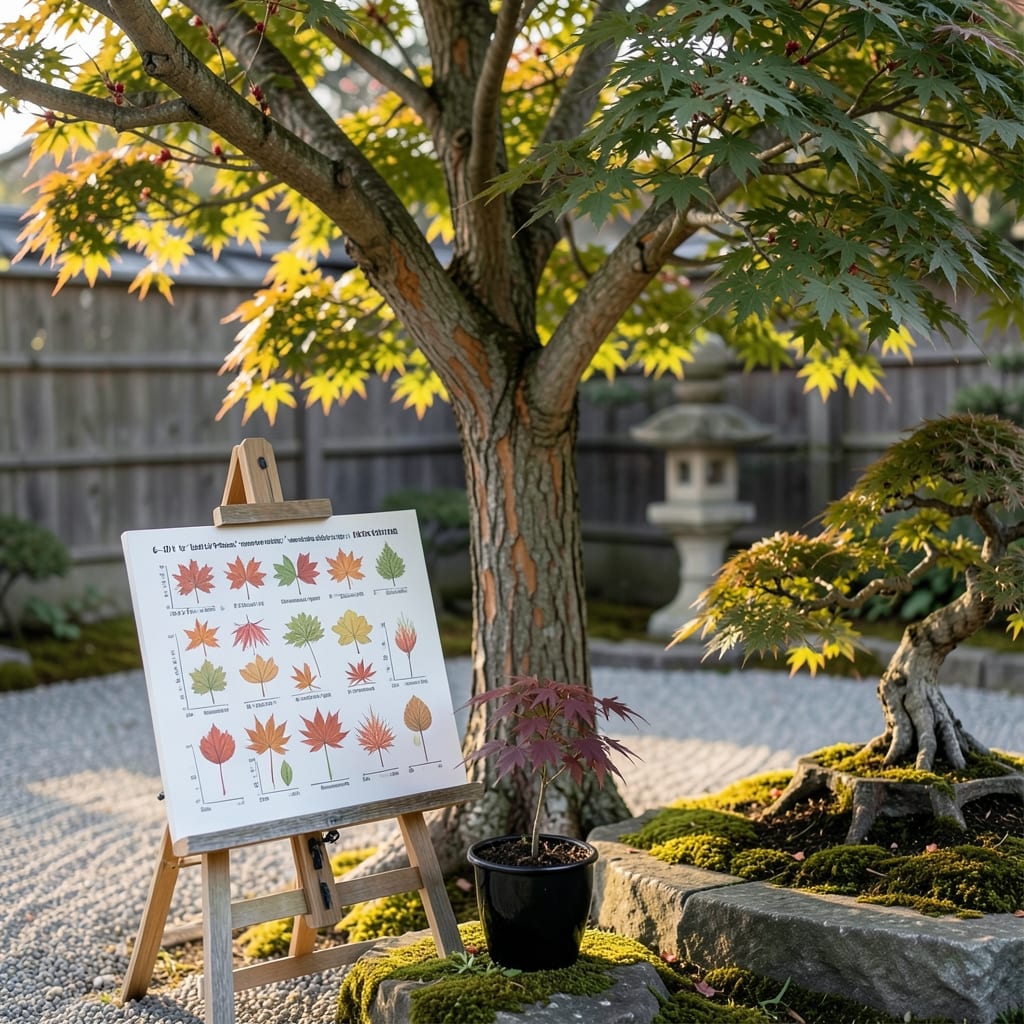
If you're wondering "how tall can a Japanese Maple tree grow", the answer might surprise you—these stunning trees range from tiny tabletop specimens to towering shade giants, all depending on the variety you choose. With over 150+ cultivars of Acer palmatum, your Japanese Maple could stay under 5 feet or reach 30 feet or more, making it a game-changer for any landscape.
For gardeners in USDA Zone 6a, knowing the right size matters—whether you're planting a delicate 'Bloodgood' (a medium-height favorite) or a sprawling 'Emperor I' (a classic with dramatic height). The key is matching the tree's mature size to your space, sunlight, and long-term vision for your yard.
But here's the catch: even the smallest Japanese Maple needs room to breathe. Pruning can help shape growth, but aggressive trimming can stress the tree. I'll show you how to balance aesthetics with health, so your Acer palmatum thrives for decades without outgrowing its welcome.
Ready to pick the perfect size? Let's break down the cultivars, their heights, and how to place them like a pro—no guesswork, just stunning results.

Japanese maple height by cultivar: from dwarf to monumental trees
Japanese maples (Acer palmatum) are famous for their stunning foliage and graceful forms, but their mature heights can vary dramatically. Some cultivars stay small enough for container growing, while others reach towering heights—up to 40 feet in ideal conditions. Understanding these differences helps you choose the perfect tree for your space, whether you have a cozy patio or a sprawling backyard.
The height of a Japanese maple depends on its cultivar, growing conditions, and pruning habits. Dwarf varieties like 'Crimson Queen' max out at just 6-8 feet, making them ideal for small gardens or bonsai-style planting. On the other end, monumental cultivars like 'Emperor I' can soar to 30-40 feet, offering dramatic shade and seasonal color changes.
Below is a categorized breakdown of popular Japanese maple cultivars, their mature heights, and ideal growing conditions to help you visualize their potential in your landscape.
| Cultivar | Height Range | Growth Habit | Best For |
|---|---|---|---|
| 'Crimson Queen' | 6-8 ft | Dwarf, rounded | Containers, small gardens |
| 'Bloodgood' | 15-25 ft | Upright, pyramidal | Medium yards, shade trees |
| 'Emperor I' | 30-40 ft | Columnar, fast-growing | Large properties, statement trees |
| 'Shishigashira' | 8-12 ft | Weeping, compact | Patios, bonsai-style |
| 'Green Cascade' | td style="padding: 10px;">6-10 ftWeeping, cascading | Containers, vertical gardens | |
| 'Sango-kaku' | 20-30 ft | Upright, broad canopy | Large landscapes, focal points |
| 'Tamukeyama' | 10-15 ft | Upright, compact | Small to medium yards |
When selecting a cultivar, consider not just height but also spread and growth rate. For example, 'Bloodgood' grows 2-3 feet per year in ideal conditions, while 'Crimson Queen' grows just 6 inches annually. Slow growers are perfect for tight spaces, while faster growers can quickly fill larger areas.
Soil quality and sunlight also impact height. Japanese maples thrive in well-draining, slightly acidic soil (pH 6.1-7.5) with partial shade. Poor soil or excessive sun can stunt growth, while rich, moist soil encourages taller, healthier trees. In USDA Zones 5-8, most cultivars reach their full height potential, but colder climates may slow growth.
If you're unsure about long-term height, opt for grafted cultivars like 'Sekka' or 'Shishigashira', which are easier to prune and shape. These varieties stay smaller naturally but can still make a stunning visual impact in containers or as focal points in gardens.
For a quick reference, remember this rule of thumb: dwarf cultivars (6-12 feet) work for patios, small gardens, or containers; medium cultivars (15-25 feet) suit medium yards; and large cultivars (30+ feet) need spacious landscapes or urban settings with ample room for their canopy.
Pro tip: Always check the mature height label when purchasing a Japanese maple. Nurseries often provide growth projections, helping you avoid surprises as the tree matures.
🌿
How to choose the right Japanese maple size for your landscape
Selecting the perfect Japanese maple isn’t just about height—it’s about matching the tree’s mature size to your space, sunlight, and long-term vision. A 15-foot 'Bloodgood' planted too close to your patio will soon become a shading nuisance, while a 6-foot 'Crimson Queen' tucked in a shady corner might struggle to thrive. The key is balancing aesthetics with practicality, ensuring your tree complements—not crowds—your landscape.
Start by measuring your planting area. Japanese maples need at least 3-5 feet of clearance from structures, walkways, and other plants to avoid root competition. For example, a 25-foot 'Emperor I' needs a 20-foot diameter of open space to develop its full canopy without becoming a maintenance headache. Use a tape measure or garden stakes to visualize the tree’s spread at maturity.
Next, consider your sunlight conditions. Most Japanese maples prefer partial shade (4-6 hours of morning sun), but some cultivars, like 'Sekka', tolerate more sun if their roots stay cool. If your yard gets harsh afternoon sun, opt for smaller varieties like 'Green Cascade', which handles heat better due to its compact size and weeping habit.
✅ Pros of Dwarf Cultivars
- Patio-friendly: Fits containers or small gardens
- Low maintenance: Less pruning needed
- Bonsai potential: Ideal for artistic shaping
- Urban adaptable: Works in courtyards or balconies
❌ Cons of Dwarf Cultivars
- Limited shade: Too small for sun protection
- Slow growth: Takes years to mature
- Fragile branches: Vulnerable in storms
✅ Pros of Large Cultivars
- Dramatic shade: Covers large areas
- Seasonal interest: Stunning fall colors
- Long lifespan: Thrives for decades
- Privacy screen: Blocks noise/wind
❌ Cons of Large Cultivars
- Space requirements: Needs room to spread
- High maintenance: More pruning and care
- Root competition: Can overtake nearby plants
- Expensive to move: Hard to relocate later
Soil type plays a surprising role in height control. Japanese maples hate soggy roots, so amend heavy clay with compost to improve drainage. If your soil is sandy or nutrient-poor, the tree may grow slower than expected. Conduct a simple soil test (available at garden centers) to check pH—aim for 6.1-7.5. Acidic soil (below 6.0) can stunt growth, while alkaline soil (above 8.0) may cause leaf scorch.
For urban gardeners, consider container-growing dwarf varieties like 'Shishigashira' or 'Dissectum'. These stay under 10 feet and thrive in 15-20 gallon pots with well-draining mix. Just remember: container trees need regular watering and winter protection in colder zones (below 6a). Use a mulch blanket to insulate roots during frost.
One common mistake is planting a fast-growing cultivar like 'Emperor I' too close to power lines or foundations. Always check local setback requirements (many areas mandate 10+ feet from structures). When in doubt, consult a certified arborist—they can assess your yard’s layout and recommend the best fit.
🌳