
Size
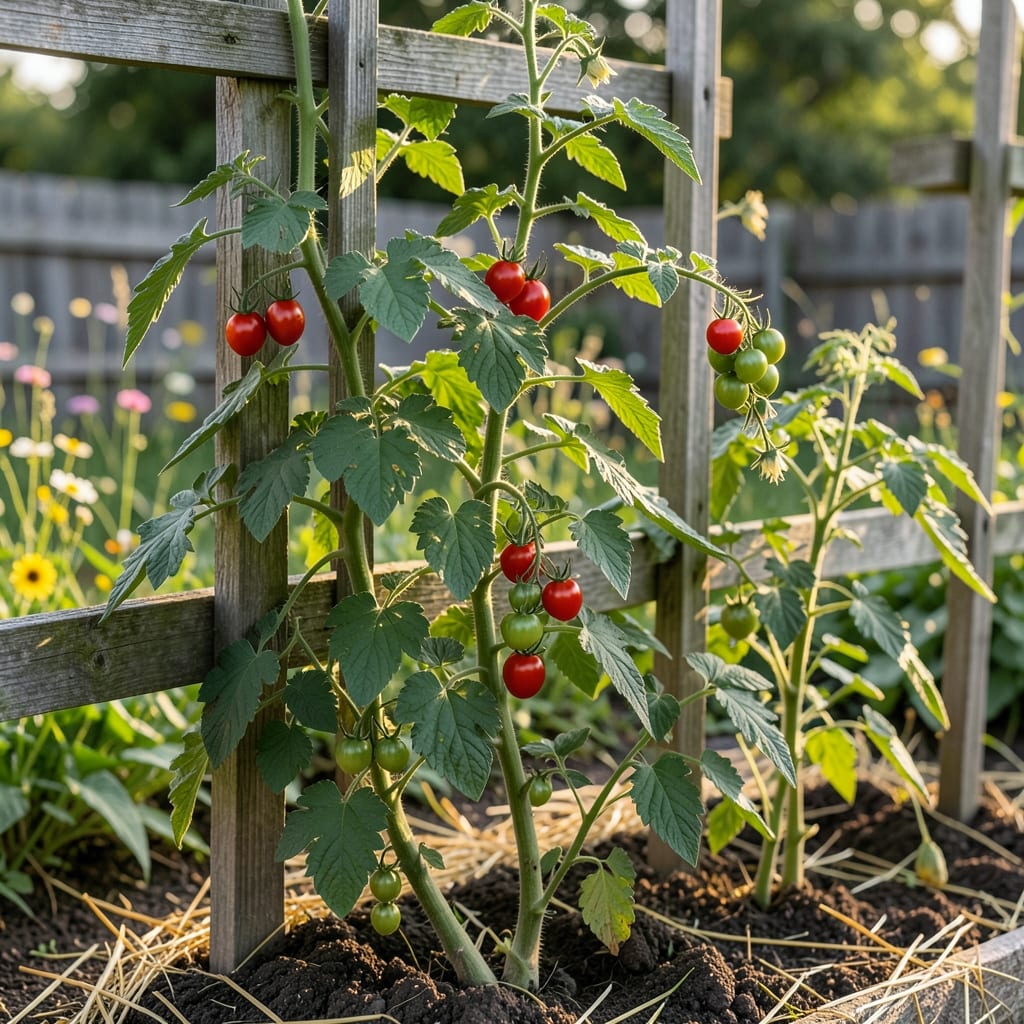
If you've ever wondered how tall can cherry tomato plants grow, the answer might surprise you—these little powerhouses can range from barely waist-high to towering over your head like jungle vines! Whether you're dreaming of a compact container garden or a sprawling backyard harvest, understanding your cherry tomato's growth potential is the key to maximizing your space and yield.
Picture this: one variety stays neatly contained in a 12-inch pot while another climbs a 10-foot trellis, producing fruit all summer long. The difference? Variety and care. Determinate types stay bushy and manageable, while indeterminate ones keep growing until frost—if you let them! Knowing which type you're working with can save you from tangled vines or wasted space.
But here's the best part: you're in control. With the right pruning, staking, and training, you can coax even the tallest cherry tomatoes to fit your garden's needs. Whether you're a balcony gardener or have acres to fill, we'll show you exactly how to manage height for the perfect harvest. Let's dive into the varieties and tips that will transform your tomato-growing game.
Ready to turn your cherry tomato dreams into reality? From dwarf varieties that fit on a windowsill to vining giants that need a sturdy support system, we'll cover everything you need to know. Plus, we'll debunk common myths so you can grow with confidence—no tangled messes or missed harvests here!


Cherry tomato plant heights by variety: dwarf vs. determinate vs. indeterminate
When you're planning your cherry tomato garden, the first question I ask myself is: how tall can cherry tomato plants grow? The answer depends entirely on the variety you choose, and it's a game-changer for space planning. Some varieties stay as small as 12 inches, perfect for windowsill gardens, while others can reach 10 feet or more if left unchecked. Understanding these differences helps you avoid overcrowding or wasted space in your garden layout.
Cherry tomatoes generally fall into three main growth categories: dwarf varieties, determinate (bush) types, and indeterminate (vining) types. Each has distinct height ranges and growth habits that directly impact how you'll care for them. For example, dwarf varieties rarely exceed 18 inches, while indeterminate types can keep growing until frost if given the right support. Knowing which category your plants belong to is the first step to managing their height effectively.
Let's break down the height ranges and growth patterns so you can visualize what to expect in your garden. The key is recognizing that height isn't just about space—it also affects yield, pruning needs, and even flavor development. For instance, taller indeterminate varieties often produce fruit over a longer season, while compact determinate types might give you a single, heavy harvest all at once. Here's how these categories compare:
| Variety Type | Height Range | Growth Habit | Best For |
|---|---|---|---|
| Ultra-Dwarf | 12–18 inches | Compact, bushy | Containers, windowsills, small spaces |
| Determinate (Bush) | 24–36 inches | Bushy, stops growing at maturity | Raised beds, in-ground gardens, heavy harvests |
| Indeterminate (Vining) | 6–10+ feet | Continuous growth until frost | Trellises, cages, large gardens, long harvests |
The ultra-dwarf varieties are my go-to for small spaces like balconies or patios. These little powerhouses, like 'Tiny Tim' or 'Micro Tom,' stay under 18 inches tall and produce cherry-sized tomatoes all season long. They're perfect if you're limited on vertical space or want to grow tomatoes in 5-gallon containers. The trade-off? You might get fewer tomatoes per plant compared to larger varieties, but the convenience of their size makes up for it.
Next up are the determinate varieties, which are the classic bush tomatoes most gardeners start with. These stay between 24 and 36 inches tall and have a more predictable growth pattern. They stop growing once they reach maturity, which means they'll produce a heavy harvest all at once. Popular choices like 'Sweet 100' or 'Roma' fit well in raised beds or in-ground gardens where you can space them about 18 inches apart. If you're planning to can or preserve your harvest, determinate types are ideal because they ripen simultaneously.
Now, here's where things get exciting: indeterminate varieties. These are the vining giants that can reach 6 to 10 feet or more if given the right support. Varieties like 'Sweet Million,' 'Sun Gold,' or 'Black Cherry' are famous for their continuous growth throughout the entire growing season. Unlike determinate types, they don't stop growing—they keep producing new leaves, stems, and fruit until frost kills them. This means you'll have a steady supply of tomatoes from midsummer until fall, but it also means you'll need to provide sturdy trellises or cages to support their weight.
One common misconception is that all cherry tomatoes grow the same height. In reality, the difference between a 12-inch dwarf and a 10-foot vine is purely genetic. Even within the same variety, factors like pruning, sunlight, and soil quality can influence how tall your plants grow. For example, an indeterminate variety like 'Sweet Million' might only reach 4 feet if heavily pruned, while an unpruned plant could easily top 8 feet. Understanding these nuances helps you tailor your care routine to achieve the ideal height for your garden.
If you're still unsure which type to choose, consider your garden's layout and your goals. Do you want a quick, heavy harvest (determinate) or a prolonged, steady supply (indeterminate)? Are you working with limited space (dwarf) or plenty of room (vining)? Once you match your variety to your space, you'll be well on your way to a successful tomato season. Next, we'll explore how to manage height through pruning and support systems to get the most out of your plants, no matter their natural growth habit.
Ready to transform your garden with the perfect cherry tomato height? Whether you're growing in containers or sprawling across your backyard, knowing these growth patterns will help you create a thriving, productive space. Let's get growing!
Cherry tomato plant heights by variety: dwarf vs. determinate vs. indeterminate
Cherry tomatoes are famous for their versatility, but their height differences can be shocking. Some varieties stay small enough for windowsill pots, while others climb like jungle vines. The key lies in understanding three growth types: dwarf, determinate, and indeterminate. Each behaves differently, so choosing the right one for your space is crucial.
Let’s start with the dwarf varieties, which are perfect for small spaces. These stay between 12-18 inches tall and produce clusters of sweet cherries without needing support. Varieties like Tiny Tim or Micro Tom are ideal for containers, balconies, or even hanging baskets. Their compact size means you can grow them almost anywhere—even indoors near a sunny window.
The next category, determinate varieties, grow to 24-36 inches tall and produce fruit in a single flush before stopping. Popular picks like Sweet 100 or Sun Gold stay bushy and manageable, making them great for raised beds or garden plots. They’re predictable growers, perfect for gardeners who want a tidy, low-maintenance harvest.
Now, here’s where things get exciting: indeterminate varieties are the vining giants. These can grow 6-10+ feet tall if left unchecked, producing fruit all season long. Varieties like Sungold or Sweet Million need sturdy trellises or cages to support their weight. Without support, they’ll sprawl everywhere, but with the right care, they become vertical fruit factories.
Choosing the right variety depends on your garden layout and goals. If you’re short on space, dwarf or determinate types are your best bet. But if you love the idea of a year-long harvest, indeterminate varieties will reward you with fruit until frost—just be ready to provide support! The good news? You can train any variety to fit your space with the right techniques, which we’ll cover next.
Pro tip: Always check seed packets or plant tags for height ranges, as some varieties can surprise you. For example, Sweet Million is indeterminate but stays slightly shorter than other vining types, making it a great middle-ground option. Experimenting with different heights can turn your garden into a layered, productive masterpiece.