
How To
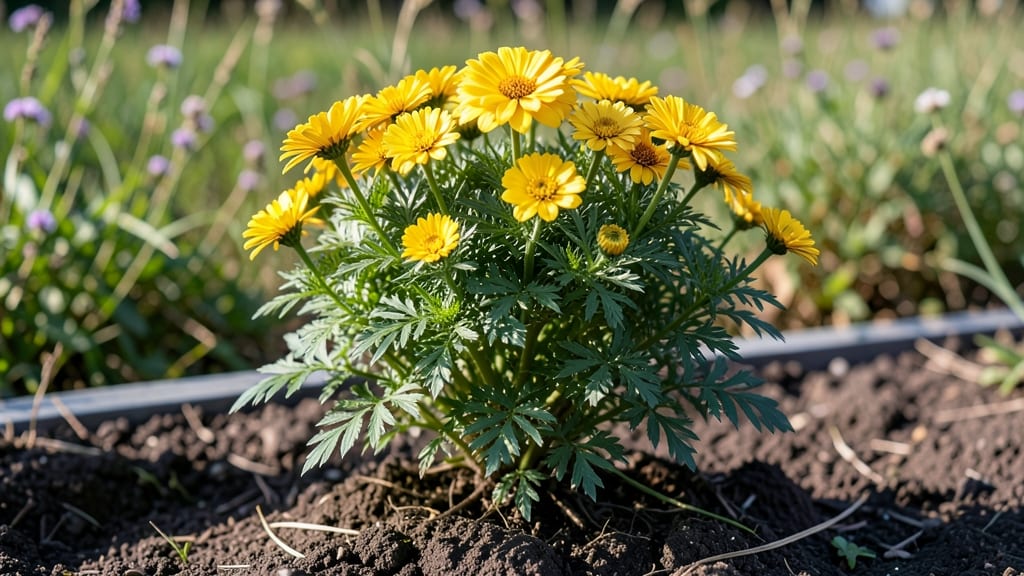
Wondering how tall French marigolds grow before you plan your garden beds? These cheerful 🌼 flowers pack a punch in both color and compact size, making them perfect for borders, containers, or pollinator-friendly spots.
Most French marigolds stay between 12 to 24 inches tall, but dwarf varieties can dip as low as 6 inches, while taller selections reach nearly 2 feet. Their bushy, mounded growth habit sets them apart from their taller African marigold cousins, giving you more flexibility in garden design.
Whether you're filling window boxes or lining pathways, knowing their mature height helps you space plants 8 to 12 inches apart for optimal airflow and blooms. The right variety can even add vertical interest without overwhelming smaller spaces.
Let's break down the height ranges and how growing conditions can influence their size—so you can pick the perfect French marigold for your vision. Ready to transform your garden with these versatile blooms?

French marigold height ranges: compact vs. tall varieties explained
French marigolds (Tagetes patula) are beloved for their bright colors and compact growth habit, but their height can vary dramatically depending on the variety. Most mature between 6 to 24 inches, making them perfect for borders, containers, or pollinator gardens.
Understanding these ranges helps you plan spacing and companion plants effectively.
Dwarf varieties typically stay under 12 inches tall, ideal for edging or container gardens. Standard types reach 18 to 24 inches, creating a bushy, full look.
Some newer hybrids even exceed 2 feet, offering vertical interest. Their growth habit is upright and bushy, unlike African marigolds, which can grow much taller.
Growth conditions like sunlight and soil fertility can influence height. In full sun and rich soil, French marigolds grow taller and produce more blooms. However, even in less ideal conditions, they rarely exceed their variety’s expected height range. This predictability makes them a gardener’s favorite for structured designs.
Spacing is key to preventing overcrowding. Dwarf varieties need 6 to 8 inches between plants, while taller types require 12 to 18 inches. Proper spacing ensures airflow, reducing disease risk and maximizing bloom potential. Overcrowding can stunt growth and lead to leggy, less vibrant plants.
French marigolds are annuals, so their height is determined by the growing season. They typically reach 50% of their mature height by mid-summer, with peak blooming occurring in late summer. Their compact size makes them versatile for both small gardens and large landscapes.
Here’s a quick comparison of height ranges and growth habits for French marigold varieties:
| Variety Type | Height Range | Growth Habit | Best For |
|---|---|---|---|
| Dwarf | 6–12 inches | Bushy, spreading | Containers, borders, edging |
| Standard | 12–18 inches | Compact, upright | Pollinator gardens, mixed borders |
| Tall/Giant | 18–24+ inches | Sturdy, vertical | Back of borders, cut flowers |
Choosing the right variety depends on your garden’s design goals. For example, 'Janie' and 'Tangerine' stay under 12 inches, perfect for container gardens or window boxes. Meanwhile, 'Bonanza Mixed' or 'Firecracker' can reach 20+ inches, adding height to flower arrangements or back-of-border plantings.
French marigolds thrive in well-draining soil with 6+ hours of sunlight daily. Their compact size makes them low-maintenance, but regular deadheading encourages continuous blooming. This practice also helps maintain their intended height, preventing them from becoming leggy.
If you’re using French marigolds in container gardens, opt for dwarf varieties to prevent overcrowding. For in-ground plantings, taller types create a stunning vertical accent when paired with shorter annuals like snapdragons or pansies.
Their bright colors also deter pests like nematodes, adding functional benefits to their ornamental appeal.
For gardeners in USDA Zones 3–10, French marigolds are reliable annuals that self-seed readily. If you love their height and bloom power, let a few go to seed to populate next year’s garden naturally. Just be mindful of their mature size when planning future plantings!
French marigold height ranges: compact vs. tall varieties explained
French marigolds (Tagetes patula) are prized for their bright blooms and bushy growth, but their height varies dramatically between varieties. Most mature between 6 to 24 inches tall, making them versatile for borders, containers, or pollinator gardens.
Understanding these differences helps you plan spacing and design layouts that maximize their visual impact.
Dwarf varieties like 'Little Devotion' stay under 12 inches, perfect for edging or window boxes. Meanwhile, taller types like 'Vanilla Ice' can reach 24 inches or more, adding height to mixed borders.
The key difference lies in their genetic growth habits—some stay compact, while others stretch upward for dramatic accents.
| Variety Type | Height Range | Spacing Needs | Best For |
|---|---|---|---|
| Dwarf | 6–12 inches | 6–8 inches apart | Borders, containers, edging |
| Semi-Dwarf | 12–18 inches | 8–10 inches apart | Pollinator gardens, mixed beds |
| Standard | 18–24 inches | 10–12 inches apart | Back of borders, cut flowers |
Sunlight and soil quality also influence height. French marigolds thrive in full sun (6+ hours daily) and well-draining soil. Overcrowding or poor soil can stunt growth, while rich, fertile conditions encourage taller, bushier plants.
For example, 'Janie' stays under 12 inches even in ideal conditions, while 'Vanilla Ice' may exceed 24 inches with extra nutrients.
When planning your garden, consider the mature height of each variety. Dwarf types create neat rows, while taller ones add vertical interest. Mixing heights—like pairing 'Little Devotion' (6 inches) with 'Vanilla Ice' (24 inches)—creates layered visual appeal and supports pollinators at multiple levels.
French marigolds also respond well to pruning and pinching, which can encourage bushier growth or control height. Regular deadheading promotes continuous blooms, ensuring your plants stay vibrant and within your desired size range throughout the season.
For container gardening, choose dwarf or semi-dwarf varieties to avoid overcrowding. Taller types need deeper pots (at least 12 inches deep) and may require staking to maintain upright growth. Always check seed packets for variety-specific height ranges to avoid surprises in your design.