
Plants
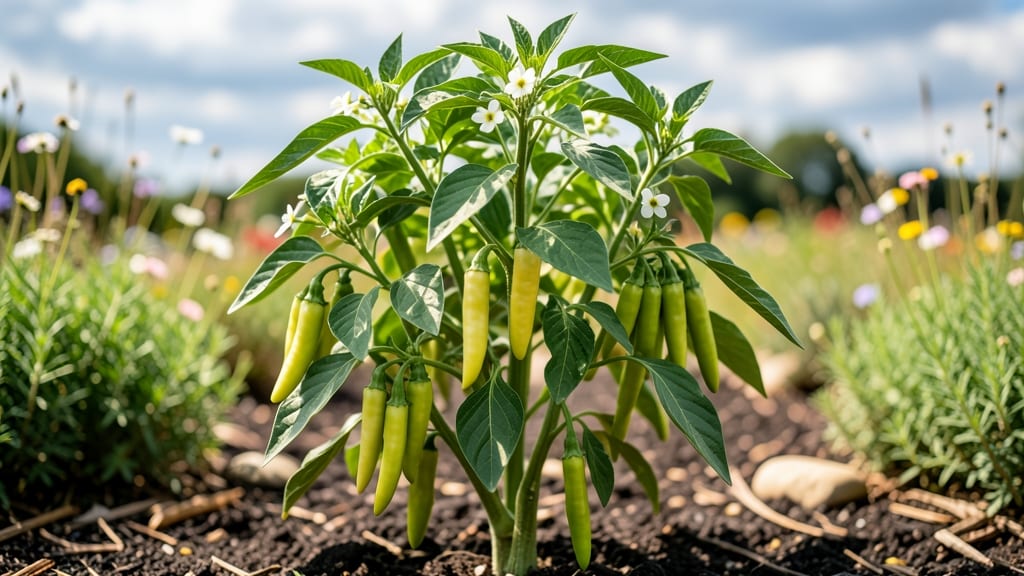
If you're dreaming of growing your own pepperoncini 🌶️ and wondering how tall do pepperoncini plants grow, you're in luck—these little flavor bombs rarely reach towering heights. Most varieties stay between 1 and 3 feet tall, making them perfect for containers, small gardens, or even sunny windowsills.
But here's the thing: their final height depends on more than just genetics. Whether you're growing them as annuals in USDA Zone 6a or as perennials in warmer climates, factors like pruning, sunlight, and even the pot size can tweak their growth.
Let me break down what you need to know to keep your plants compact—or encourage them to grow just a little taller if you prefer.
You might be surprised to learn that some dwarf varieties barely hit 1 foot, while others stretch closer to 3 feet when left unchecked.
The key to managing their size lies in understanding their natural growth habits and how to work with them—whether you're planting in April-May or extending your season into July-September harvests.
Ready to grow your own? I'll walk you through how to space them properly, when to prune for ideal height, and what to watch for to avoid leggy plants. Let's get those pepperoncini 🌶️ thriving in your space!

Pepperoncini plant height: expected growth ranges for different varieties
Pepperoncini plants are the compact superstars of the pepper world, rarely reaching heights that will overwhelm even the smallest garden spaces. On average, these pepperoncini plants mature between 1 to 3 feet tall, making them ideal for container gardening or tight garden beds.
Their bushy, upright growth habit means they won’t sprawl like some pepper varieties, saving you space while delivering that signature tangy heat.
If you’re growing standard pepperoncini varieties, expect heights of 2 to 3 feet—perfect for placing alongside herbs or other compact veggies. Dwarf varieties, like those bred for containers, often stay between 1 to 2 feet tall, while bush types may spread wider but remain under 2 feet in height.
This makes them far more manageable than their taller cousins like jalapeños or banana peppers, which can stretch toward 3 to 4 feet or more.
🚨 (summary table) BELOW 🚨
| Variety | Growth Habit | Mature Height | Best For |
|---|---|---|---|
| Standard Pepperoncini | Upright, bushy | 2–3 ft | Garden beds, large containers |
| Dwarf Pepperoncini | Compact, bushy | 1–2 ft | Containers, balconies, small gardens |
| Bush Pepperoncini | Wide-spreading, low | 1.5–2.5 ft | Ground covers, mixed borders |
| Trellised Pepperoncini | Vining, supported | 3–4 ft (with support) | Vertical gardens, trellises |
🌱 Note: Heights vary by variety and growing conditions.
One of the biggest advantages of pepperoncini plants is their versatility in growing conditions. Unlike taller peppers that need staking or cages, pepperoncini thrive in small containers as long as the pot is at least 12 inches deep and 12 inches wide.
This makes them a favorite for urban gardeners or anyone with limited outdoor space. Even in garden beds, their compact stature means you can fit 3 to 4 plants per square foot without overcrowding.
When comparing pepperoncini to other peppers, they’re shorter than jalapeños (which often reach 3 to 4 feet) but taller than mini bell peppers (which stay under 2 feet).
Their height consistency also means you won’t need to worry about them outgrowing their space mid-season, unlike some indeterminate varieties that keep stretching.
For reference, a mature pepperoncini plant is roughly the height of a standard kitchen countertop (36 inches), but their bushy form keeps them from taking up excessive vertical space.
If you’re growing pepperoncini in cooler climates (USDA Zones 5–7), expect slightly shorter plants unless you provide season extension with row covers or greenhouses. In warmer zones (8–10), they may grow closer to their maximum height if given plenty of sunlight and nutrients.
Always choose a sunny spot with at least 6 hours of direct sunlight daily to encourage healthy, proportional growth rather than leggy stems.
Another factor influencing height is whether you’re growing pepperoncini as an annual or perennial. In most home gardens, they’re treated as annuals, meaning they’ll focus their energy on producing peppers rather than growing taller.
However, in perennial climates (like Zone 10), they may reach their full mature height over multiple years, potentially growing slightly taller each season if not pruned.
For container growers, the key to controlling height is choosing the right pot size and variety. A 5-gallon container is ideal for standard varieties, while dwarf types can thrive in 3-gallon pots.
Always use well-draining soil and fertilize lightly every 4–6 weeks during the growing season to avoid nutrient deficiencies that can cause stunted or leggy growth. A balanced 5-10-10 fertilizer applied in the morning will keep your plants compact and productive without encouraging excessive height.
If you’re planning to harvest pepperoncini for pickling or fresh eating, their height doesn’t affect fruit production—even dwarf varieties produce plenty of peppers per plant.
Just be mindful of spacing: give plants 18–24 inches apart in garden beds to prevent competition for nutrients and sunlight, which can lead to taller, weaker stems. In containers, one plant per pot is ideal to avoid overcrowding.
🌿 Whether you’re a balcony gardener or have a full backyard, pepperoncini plants are one of the most space-efficient peppers you can grow. Their predictable height and bushy form make them a low-maintenance choice for both beginners and experienced gardeners alike.
How to control pepperoncini plant height in containers and gardens
If you’re growing pepperoncini in containers or tight garden spaces, controlling their height is key to maximizing your harvest without sacrificing space. These peppers typically stay between 1-3 feet tall, but with the right techniques, you can keep them even shorter—ideal for balconies or small patios.
The secret lies in pruning, trellising, and choosing the right container size.
For container gardening, opt for dwarf varieties like 'Little Pepperoncini' or 'Mini Bell,' which rarely exceed 18-24 inches. Even standard varieties can be managed with pruning to encourage bushier growth.
Start by pinching off the tips of young plants to promote lateral branches, which will produce more peppers closer to the base. This method keeps the plant compact and productive.
- Prune regularly: Trim back leggy stems to encourage bushier growth. Focus on removing the top 1-2 inches of new growth to redirect energy to fruit production.
- Use trellises or cages: For taller varieties, provide support with a 3-foot trellis or tomato cage. This keeps the plant upright and prevents sprawling, which can make it appear taller.
- Choose the right container: Select pots at least 12-15 inches deep and 18 inches wide to accommodate roots without overcrowding. Shallow containers stunt growth.
- Space plants properly: In garden beds, space pepperoncini 18-24 inches apart to prevent competition for nutrients, which can lead to leggy, tall growth.
- Fertilize lightly but consistently: Over-fertilizing with nitrogen promotes leafy growth over fruit, making plants taller. Use a balanced 5-10-10 fertilizer every 4-6 weeks during the growing season.
Another trick to keep pepperoncini plants short and stocky is to rotate containers every few days. This ensures even sunlight exposure, preventing the plant from stretching toward light.
If you notice your plants becoming tall and sparse, they’re likely not getting enough light—move them to a sunnier spot or supplement with a grow light.
For container growers, avoid overwatering, which can weaken stems and lead to floppy, leggy growth. Water deeply every 2-3 days in pots, ensuring the soil dries slightly between waterings. Well-draining soil with added compost will help maintain a sturdy, compact plant structure.
With these techniques, you can keep your pepperoncini plants at an ideal height for your space—whether that’s a 12-inch tall container or a neatly pruned 2-foot bush in your garden bed. The result? More peppers, less space wasted, and a happier, healthier plant! 🌿