
Trees
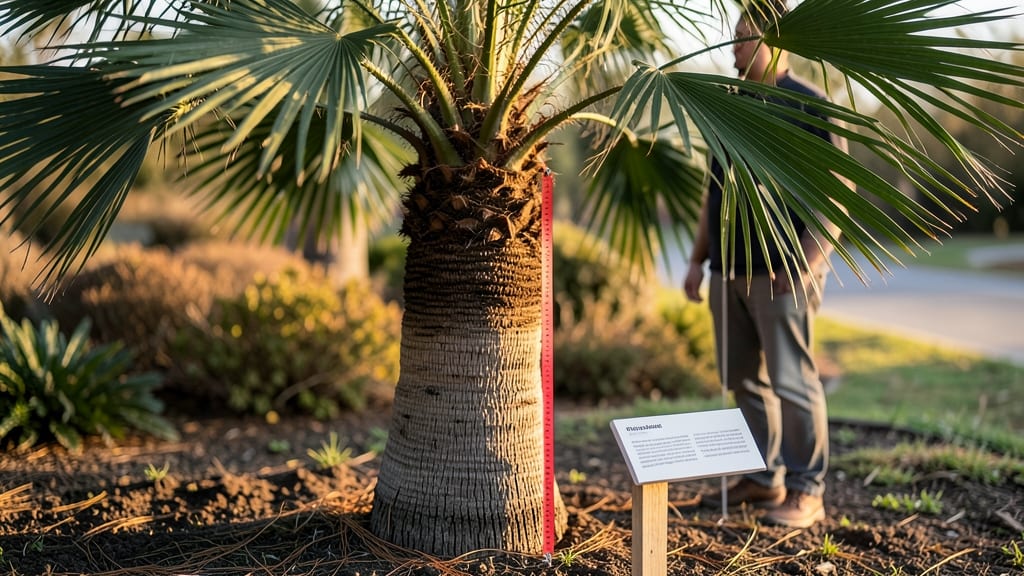
Curious about how tall do queen palm trees grow before committing to one for your landscape? These stunning 🌴 trees can become architectural statement pieces—or space hogs—depending on your variety and growing conditions.
In ideal General (Tropical/Subtropical Regions) like USDA zones 9b-11, queen palms typically mature between 30-65 feet, with some varieties reaching heights comparable to a three-story building. That’s why knowing your exact variety matters—some grow faster than others, and climate plays a surprisingly big role in their final stature.
What you’ll discover here is how to predict your queen palm’s growth trajectory based on where you live, what type you choose, and even simple care tweaks that can shave years off their maturation time.
No guesswork—just practical insights to help you plan for a palm that thrives without taking over your yard.
Whether you’re dreaming of a lush tropical border or just want to avoid future pruning regrets, this breakdown gives you the exact numbers and care strategies to grow a queen palm that fits your vision—perfectly.

Queen palm tree height by variety: exact growth ranges & mature sizes
Queen palm trees (Syagrus romanzoffiana) are architectural stars of tropical landscapes, but their mature height can vary wildly depending on the variety and growing conditions. The most common types—standard, fast-growing, and compact varieties—reach heights from 20 to 65 feet at maturity.
Before planting, knowing these exact ranges helps you plan for space, sunlight, and even neighborhood compatibility.
Standard queen palms dominate landscapes with their 30–65-foot height range, making them ideal for large properties or urban canyons where they can tower over buildings. Their feathery fronds and slim trunks create a graceful silhouette, but their size demands careful placement.
If you’re working with limited space, dwarf varieties (though rare) or container-grown specimens can help manage their height.
Fast-growing queen palms hit 20–30 feet in 10–15 years, while slower varieties may take 20+ years to reach full height. This growth rate is influenced by climate, soil quality, and care.
For example, a queen palm in USDA Zone 10 with rich, well-draining soil can grow 2–3 feet per year, while one in Zone 9 with poor soil may only gain 1 foot annually.
Here’s a detailed comparison of queen palm varieties and their mature heights, including growth rates and ideal conditions for maximizing their potential:
| Variety | Mature Height | Growth Rate | Best For | Notes |
|---|---|---|---|---|
| Standard Queen Palm | 30–65 ft | 1–3 ft/year | Large properties, urban landscapes | Fastest-growing type; needs space |
| Fast-Growing Queen Palm | 20–30 ft | 2–3 ft/year | Medium-sized yards, containers | Ideal for quicker tropical effect |
| Compact Queen Palm | 15–25 ft | 1 ft/year | Small yards, patios, containers | Slower growth; prune to control height |
| Dwarf Queen Palm (Rare) | 10–15 ft | 0.5–1 ft/year | Bonsai, indoor palms, small spaces | Requires careful pruning and care |
Note: Heights vary with climate, soil, and care. Pruning can reduce height but may affect frond production.
If you’re planting a queen palm in a container, expect 10–20% shorter heights due to root restriction. For example, a standard queen palm in a 20-gallon pot might max out at 25–35 feet instead of 65 feet.
To encourage upward growth, use deep containers with well-draining soil and fertilize regularly with a palm-specific nutrient mix.
One common misconception is that queen palms grow straight up like bamboo. In reality, their trunks lean slightly over time, especially in windy areas. To maintain a straight trunk, stake young palms for the first 2–3 years until their root systems stabilize.
Avoid over-pruning the crown, as this can stress the tree and reduce its photosynthetic efficiency, slowing height growth.
For those in cooler climates (USDA Zones 8–9), queen palms may grow 10–15% slower due to seasonal dormancy. In these zones, focus on protecting the roots with mulch and providing winter watering to sustain growth.
Even in less-than-ideal conditions, queen palms can still reach 20–40 feet with proper care, making them a versatile choice for subtropical landscapes.
Before finalizing your planting plan, measure the available space and consider the mature height of nearby structures. A queen palm’s canopy spread (often 10–15 feet) also requires clearance from sidewalks, driveways, and power lines.
When in doubt, consult a local arborist to assess your site’s suitability for this tropical giant.
🌴
How climate zones affect queen palm tree growth rates & maximum heights
Queen palm trees (Syagrus romanzoffiana) thrive in warm climates, but their growth rate and maximum height can shift dramatically depending on your USDA hardiness zone. In ideal conditions (zones 9b–11), these palms grow faster and reach their full 30–65 ft potential.
However, cooler zones like 8a–8b slow growth and may cap height at 20–30 ft.
Humidity and temperature extremes also play a role. High humidity in zones 10–11 accelerates growth, while dry heat in zone 9 can stunt development. Even a single frost can kill young palms, so zone 8 gardeners must protect their trees with mulch or windbreaks.
🌡️ Key Factor: Temperature swings are the biggest threat. Queen palms tolerate 25–40°F but suffer damage below 20°F. In marginal zones, expect slower growth and shorter mature heights.
In zone 10–11, queen palms grow 2–3 ft per year under ideal conditions. But in zone 9, growth slows to 1–2 ft annually due to seasonal temperature drops. Zone 8 gardeners should plant near heat-reflecting surfaces (like paved areas or walls) to protect roots.
Soil drainage matters too. In cooler zones, heavy clay soils can suffocate roots, further slowing growth. Amend soil with organic matter (like compost or sand) to improve drainage and encourage faster development.
If you live in zone 8, choose a container-grown queen palm for flexibility. Potted palms can be moved indoors during winter, preserving growth potential. Just ensure the container is at least 2 ft wide to accommodate root expansion.
🌿 Pro Tip: Monitor your palm’s frond color. Yellowing fronds in cooler zones signal stress—adjust watering or add mulch to insulate roots.