
How To
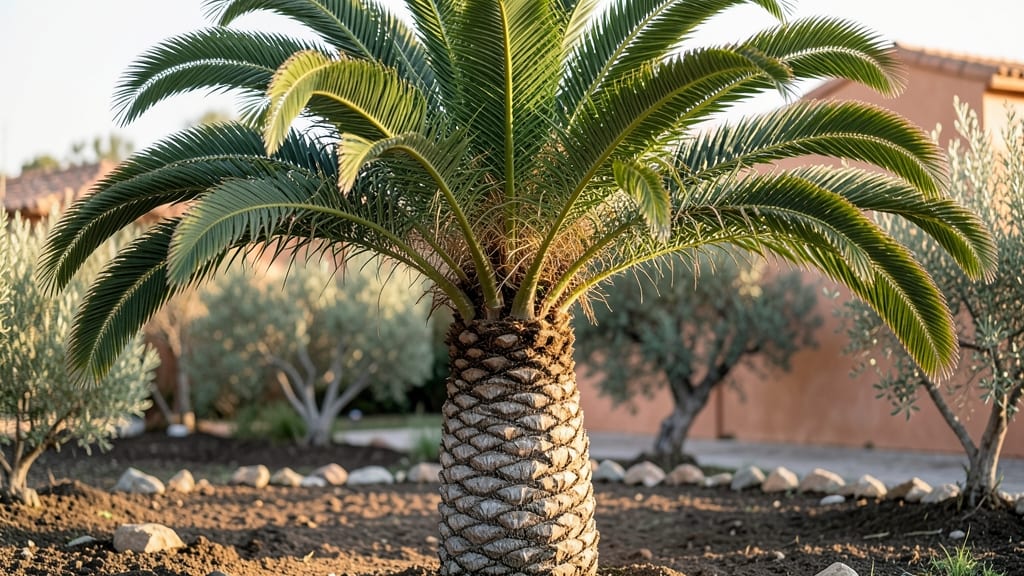
If you’ve ever dreamed of a tropical oasis in your backyard, you’ve probably wondered: how tall does a palm tree grow? The answer might surprise you—some tower like skyscrapers, while others stay compact enough for cozy patios.
Whether you’re planning a lush landscape or just curious about these iconic trees, knowing their growth potential is the key to making the right choice.
Palm trees like the coconut palm can stretch up to 100 feet or more, making them nature’s skyscrapers in tropical regions. But don’t worry—dwarf varieties, such as the pygmy date palm, max out at just 6 to 12 feet, perfect for smaller spaces.
The difference comes down to species, climate, and even soil conditions, so picking the right one for your yard is easier than you think.
Before you plant, consider your space and local climate. A Mediterranean fan palm might thrive in your zone, while a royal palm could outgrow your property in just a few decades.
I’ll break down the heights of 20 common species and share tips to help you avoid future headaches—like accidentally planting a giant next to your mailbox.
Ready to transform your outdoor space? Let’s explore how to choose the perfect palm tree for your needs—whether you want a towering tropical giant or a manageable backyard staple.

Palm tree height guide: 20 species and their maximum skyward reach
Palm trees are nature's skyscrapers, with some species stretching toward the sky like tropical skyscrapers while others remain manageable for backyard gardens. The height range varies dramatically—from the 6-foot pygmy date palm to the 200-foot coconut palm.
Understanding these differences helps you choose the perfect palm for your space, whether you're dreaming of a beachfront oasis or a suburban accent plant. Let’s explore the tallest and shortest palm species and what makes them unique.
Most palm trees grow slowly in their early years but accelerate once established. For example, a Mediterranean fan palm might only reach 5 feet in 3 years, while a coconut palm can grow 10 feet in the same timeframe.
Climate, soil quality, and sunlight all play critical roles in determining how tall a palm tree will ultimately grow. In ideal conditions, some species can double their height within a decade!
Here’s the key takeaway: Dwarf palms are perfect for containers or small yards, while tall palms need ample space and professional planting. Always check your local USDA hardiness zone—many palms thrive only in zones 9b-11, where frost is rare.
Now, let’s dive into the height ranges of 20 popular palm species, ranked from shortest to tallest.
| Palm Species | Mature Height | Growth Rate | Ideal Climate | Best For |
|---|---|---|---|---|
| Pygmy Date Palm | 6–12 ft | Slow | Zones 8–11 | Containers, small yards |
| Dwarf Palmetto | 8–12 ft | Moderate | Zones 7–11 | Urban landscapes |
| Mediterranean Fan Palm | 15–25 ft | Moderate | Zones 8–11 | Mediterranean gardens |
| Windmill Palm | 20–30 ft | Fast | Zones 9–11 | Tropical backyards |
| California Fan Palm | 30–60 ft | Slow to Moderate | Zones 9–11 | Desert landscapes |
| Mexican Fan Palm | 30–50 ft | Moderate | Zones 9–11 | Arid regions |
| Canary Island Date Palm | 30–50 ft | Fast | Zones 9–11 | Coastal areas |
| Sabal Palm |
How to choose the right palm tree for your climate and spaceSelecting the perfect palm tree isn’t just about aesthetics—it’s about matching your local climate, available space, and long-term maintenance needs. A coconut palm thriving in Florida’s humidity might struggle in Arizona’s dry heat, while a Mediterranean fan palm could become a liability in a small urban yard. Start by checking your USDA hardiness zone—most palms prefer zones 9b-11, but some cold-hardy varieties like the Windmill Palm can survive down to zone 7 with protection. Next, consider root spread. A California fan palm might only reach 30 feet tall but spreads 15 feet wide, making it ideal for large landscapes but a poor fit for tight city lots. Measure your space carefully—dwarf varieties like the Pygmy Date Palm (6–12 feet) are perfect for patios or containers, while standard palms (30–100 feet) need ample room to avoid crowding power lines or sidewalks. Quick Compatibility |