
How To
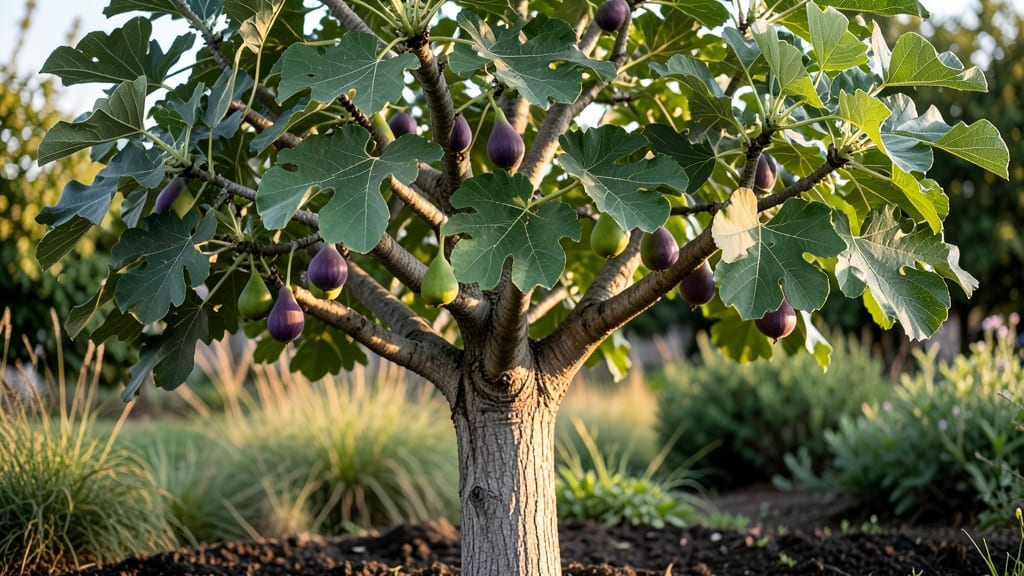
Fig tree height by variety: dwarf vs. standard vs. giant species
Fig trees are incredibly versatile, with some varieties reaching towering heights of 30 feet while others stay neatly under 10 feet. The key to managing your fig tree's height lies in selecting the right variety for your space.
Whether you're dreaming of a backyard giant or a container-friendly dwarf, understanding these differences will help you plan accordingly.
Most fig trees fall into three broad categories: dwarf varieties (ideal for containers or small gardens), standard varieties (perfect for medium spaces), and giant species (best for large landscapes). Each type has distinct growth habits, spread, and climate preferences that directly impact their mature height.
Here’s how the most popular fig varieties stack up in terms of height and spread, along with their ideal growing conditions:
| Variety | Mature Height | Spread | Growth Habit | Climate Zone |
|---|---|---|---|---|
| Little Miss Figgy | 8–12 ft | 6–8 ft | Bushy shrub | 6a–10b |
| Celeste | 10–15 ft | 8–10 ft | Upright tree | 7a–10b |
| Brown Turkey | 20–30 ft | 15–20 ft | Large tree | 7a–10b |
| Chicago Hardy | 15–25 ft | 12–15 ft | Cold-hardy tree | 4a–8b |
| Violette de Bordeaux | 12–18 ft | 10–12 ft | Semi-dwarf tree | 7a–10b |
If you're working with limited space, dwarf varieties like Little Miss Figgy or Celeste are excellent choices. These stay compact and thrive in containers, making them perfect for patios or balconies.
Meanwhile, standard varieties like Violette de Bordeaux strike a balance, offering a manageable height while still producing abundant fruit.
For those with ample yard space, giant varieties like Brown Turkey or Chicago Hardy can become stunning focal points. However, their impressive height means they’ll need regular pruning to keep them from overwhelming your landscape.
Always consider your local climate zone—some varieties, like Chicago Hardy, are cold-hardy and can survive in zones as low as 4a, while others thrive only in warmer climates.
One often-overlooked factor is the spread of the tree. Even if a fig tree doesn’t grow tall, its wide canopy can take up significant space.
For example, a Brown Turkey fig might only reach 20 feet tall but can spread 15–20 feet wide, making it a poor fit for small gardens unless heavily pruned.
When selecting a fig tree, also consider its growth rate. Some varieties grow 2–3 feet per year, while others can shoot up 5 feet annually under ideal conditions. If you're planning a long-term garden layout, factor in this growth rate to avoid future crowding issues.
🌱
Fig tree height by variety: dwarf vs. standard vs. giant species
Fig trees come in a stunning range of sizes, from compact dwarf varieties perfect for containers to towering standard trees that dominate landscapes. The mature height of your fig tree hinges entirely on its variety—some stay under 10 feet, while others reach 30 feet or more.
Knowing these differences helps you plan your garden layout and choose the right variety for your space.
For example, the Chicago Hardy fig tree grows 15-20 feet tall with a broad canopy, making it ideal for large backyards. Meanwhile, the Little Miss Figgy stays a manageable 8-12 feet tall, perfect for small gardens or even large containers.
Even the giant varieties, like the Osborn Prolific, can exceed 30 feet in ideal conditions.
| Variety | Mature Height | Spread | Growth Habit | Ideal Climate |
|---|---|---|---|---|
| Little Miss Figgy | 8-12 ft | 6-8 ft | Bushy shrub | Zones 7-11 |
| Brown Turkey | td style="padding: 8px; border: 1px solid #4e8253;">15-20 ft12-15 ft | Small tree | Zones 8-11 | |
| Chicago Hardy | 15-20 ft | 10-12 ft | Cold-hardy tree | Zones 4-9 |
| Osborn Prolific | 25-30+ ft | 15-20 ft | Large tree | Zones 8-11 |
| Celeste | 10-15 ft | 8-10 ft | Compact tree | Zones 7-11 |
If you're growing figs in containers, opt for dwarf varieties like Little Miss Figgy or Celeste. These stay under 12 feet tall and thrive in large pots with proper drainage.
For ground planting, standard varieties like Brown Turkey or Chicago Hardy offer a balance of height and cold hardiness, making them versatile choices for most climates.
Another key factor is the growth habit. Some fig trees grow as shrubs with multiple trunks, while others develop a single trunk like a small tree. For example, the Celeste fig has a compact, tree-like structure, while the Osborn Prolific can become a massive, sprawling tree if unpruned.
Understanding these differences helps you visualize how your fig tree will fill its space over time.
For gardeners in colder climates (Zones 4-6), the Chicago Hardy is a top pick because it can handle temperatures down to -15°F and still reach 15-20 feet tall.
In warmer zones (Zones 8-11), you have more flexibility, including giant varieties like Osborn Prolific or Violette de Bordeaux, which can exceed 30 feet in height.
Before planting, measure your space and compare it to the mature height of your chosen variety. A 10-foot-tall fig tree needs at least 12 feet of clearance from overhead power lines or structures.
If space is limited, consider pruning techniques or container growing to keep your fig tree at a manageable size. With the right variety and care, you can enjoy fresh figs without sacrificing your garden layout!