
Plants
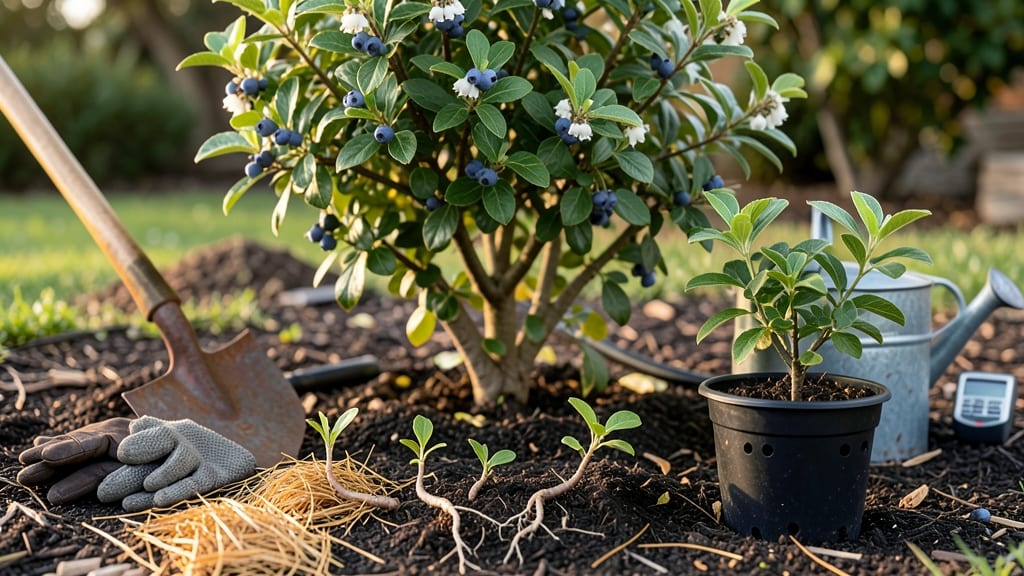
When to plant blueberry bushes in Georgia isn’t just about picking a month—it’s about avoiding frost damage while giving your 🫐 bushes time to root before summer heat arrives. Georgia’s mild winters make fall and early spring the sweet spot, but timing varies by county, from Atlanta’s cooler microclimates to Savannah’s warmer coastal zones.
Planting too early risks frost damage, while waiting too late means your bushes won’t establish strong roots before summer’s intense heat. The key is a 6–8 week window before the last frost—typically between late October and early March—when soil temps are cool but stable.
In this guide, I’ll break down the best planting months for your USDA zone (7b–8b), including soil prep tips and county-specific frost dates. Whether you’re transplanting bare-root bushes or potted plants, you’ll learn how to maximize your harvest by timing it just right.
Ready to grow thriving blueberry bushes? Let’s dive into the exact frost-free window for your Georgia county—and why soil pH matters more than you think.
Georgia’s blueberry planting timeline by USDA heat zones (7-9)
Blueberries thrive in Georgia’s climate, but the USDA heat zone determines your optimal planting window. Most of Georgia falls within zones 7b–8b, with cooler mountain areas in 7a and coastal regions in 8a–9a.
Planting outside this window risks frost damage or poor root establishment before summer heat arrives.
For bare-root blueberries, aim to plant 6–8 weeks before the last frost—typically October–February for most of Georgia. Container-grown bushes can handle slightly later planting but still need 4–6 weeks of root establishment before summer’s peak heat.
Here’s how to align your planting with Georgia’s microclimates and frost-free windows:
| USDA Zone | Key Counties | Last Frost Date | Best Planting Window | Notes |
|---|---|---|---|---|
| 7a (Coolest) | Fannin, Gilmer, Murray | March 20–April 5 | October 15–February 15 | Longer chill hours; plant early. |
| 7b (North GA) | Atlanta, Gainesville, Dahlonega | March 10–March 25 | November 1–March 1 | Ideal for ‘Climax’ and ‘Duke’ varieties. |
| 8a (Central GA) | Macon, Columbus, Athens | February 28–March 15 | November 15–February 28 | Best for ‘Premier’ and ‘Tifblue’. |
| 8b (South GA) | Savannah, Brunswick, Valdosta | February 15–February 28 | December 15–February 15 | Warmer winters; plant low-chill varieties. |
| 9a (Coastal) | Tybee Island, Waycross | January 31–February 14 | November 1–January 31 | Short chill; use ‘Southern Highbush’ types. |
If you’re in zone 7a, like the Blue Ridge Mountains, prioritize fall planting (October–November) to avoid late-winter frosts. In zone 9a, like coastal Savannah, you can plant as late as January but choose low-chill varieties like ‘O’Neal’ or ‘Misty.’
For container planting, extend your window slightly—containers insulate roots, allowing late-winter planting (February–early March) in zones 8a–9a. Just ensure pots have drainage holes and use acidic potting mix (pH 4.5–5.5).
Pro tip: Mulch heavily after planting with pine straw or wood chips to protect roots from temperature swings and retain moisture. This is especially critical in zone 7b, where late frosts can linger into April.
Watch for local microclimates—urban areas like Atlanta may have 5–10°F warmer nights than rural zones, delaying frost. Use a local frost calendar (like the National Weather Service) for precise timing.
Once planted, water deeply 2–3 times per week for the first 6 weeks to encourage root growth. Avoid overhead watering to prevent fungal diseases like botrytis, common in Georgia’s humid summers.
🌱
Best months to plant blueberry bushes in Georgia (with soil prep tips)
Georgia gardeners have a 6–8 week frost-free window each year to plant blueberries—typically from mid-October through early March. This timing ensures your bushes establish roots before spring rains arrive.
For bare-root plants, aim for late fall (November–December), while container-grown bushes thrive when planted in early spring (February–March).
Why this window? Planting too early risks frost damage, while late planting delays root growth. Georgia’s USDA zones 7b–9a mean your exact timing depends on whether you’re in northern Atlanta (zone 7b) or coastal Savannah (zone 8b).
Always check your local last frost date (usually mid-March) to time your planting perfectly.
📋 Key Planting Timeline for Georgia Blueberries
- October–November: Plant bare-root bushes in well-draining soil (pH 4.5–5.5).
- December–January: Avoid planting—soil is too cold for root establishment.
- February–March: Ideal for container-grown bushes; mulch heavily to retain moisture.
- April: Too late—roots won’t harden before summer heat.
Before planting, amend your soil with peat moss or sulfur to lower pH. Blueberries hate alkaline soil! Test your soil’s pH with a home kit (aim for 4.5–5.5). If your yard’s soil is too alkaline, mix in composted pine needles or cottonseed meal for a natural acid boost.
Mulch is non-negotiable. Spread 3–4 inches of pine straw or wood chips around the base (but not touching the stem) to suppress weeds and retain moisture. This is especially critical in drought-prone areas like middle Georgia, where summer heat can stress young plants.
Watering strategy makes or breaks success. Deep-soak your bushes once a week for the first month, then taper to every 10–14 days once established. Always water in the morning to prevent fungal diseases like botrytis, which thrives in damp foliage. A drip irrigation system works best for consistent moisture.
Pro tip: If you’re planting in containers, use a well-draining mix with 50% peat moss or coconut coir and 50% perlite. Container-grown bushes need daily watering in summer and weekly fertilization with an acid-loving plant food (like Miracle-Gro Azalea/Camellia).