
How To
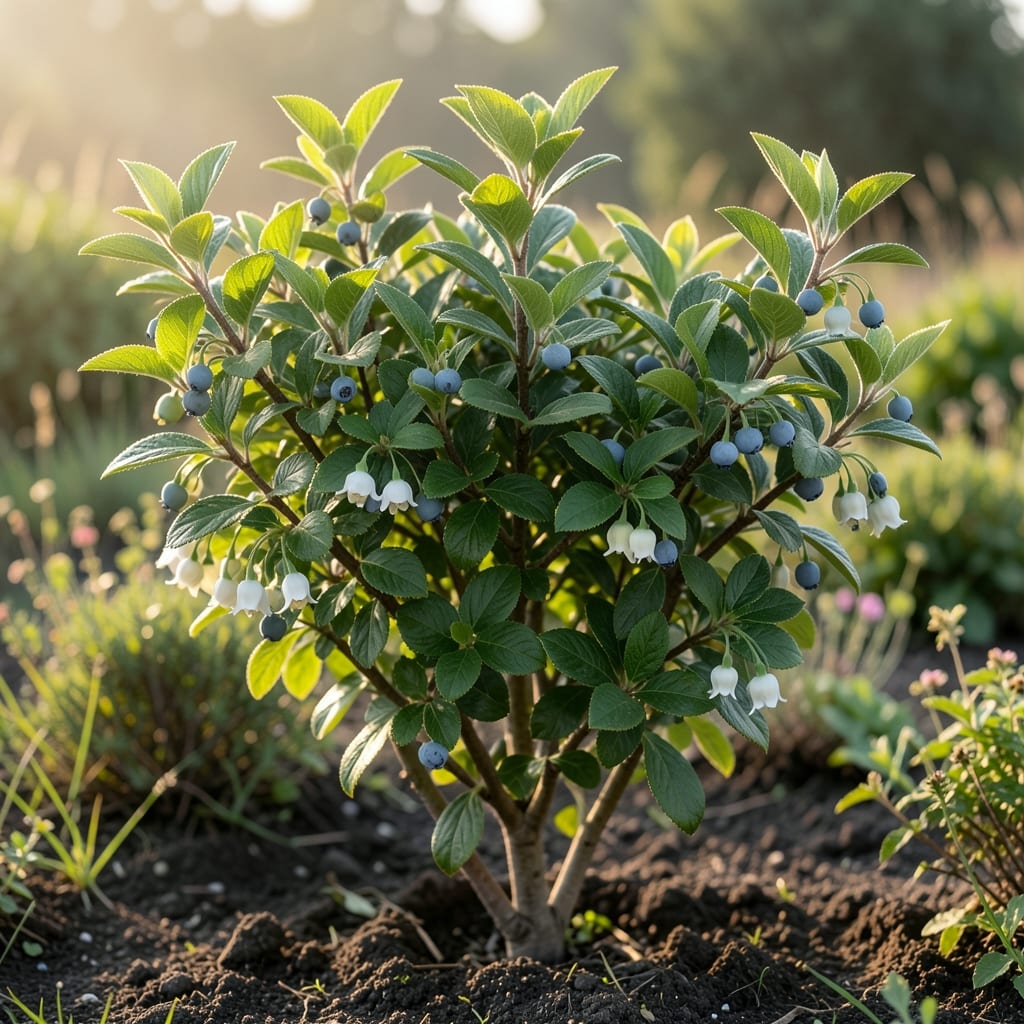
If you’re wondering how tall blueberry bushes grow, the answer might surprise you—some varieties stay under 3 feet, while others can reach towering heights of over 10 feet. The good news? With the right pruning techniques, you can control their size and keep them compact, even in small gardens. Whether you’re planning your first blueberry patch or looking to maximize space, understanding these growth patterns is key to a thriving 🫐 blueberry bush.
Blueberry bushes grow at different rates depending on their variety, with dwarf types perfect for containers or tight spaces, while standard varieties need more room to spread. In USDA Zone 6a, where spring planting is ideal, knowing these differences helps you choose the right plant for your layout. Pruning plays a huge role—proper cuts can encourage bushier growth and more berries, while neglect can lead to unruly, overgrown shrubs.
For gardeners short on space, compact varieties like ‘Top Hat’ or ‘Peach Sorbet’ are game-changers, staying under 3 feet tall while still producing abundant fruit. But even standard varieties can be managed with smart pruning, saving you from dealing with a bush that outgrows its welcome. Let’s explore how to keep your blueberries in check while maximizing your harvest.
In this guide, you’ll learn which varieties fit your space, how pruning affects height, and creative ways to grow blueberries vertically—so you can enjoy fresh, homegrown berries without sacrificing garden real estate. Ready to transform your blueberry patch into a space-saving success?


Blueberry bush height by variety: compact vs. tall-growing types
Blueberry bushes come in a stunning range of heights, from dwarf varieties that fit in containers to standard bushes that reach over your head. The key to choosing the right type lies in understanding their mature size and growth habits. For example, the 'Top Hat' variety stays under 3 feet, making it perfect for small gardens or balconies, while 'Duke' can grow up to 10 feet tall if left unchecked.
When planning your blueberry patch, consider not just the height but also the spreading habit of each variety. Some bushes, like 'Pink Lemonade', grow wider than they do tall, while others, like 'Peach Sorbet', maintain a more upright form. This distinction helps you decide whether to plant in rows, clusters, or even vertical systems to maximize your space.
Here’s how different blueberry varieties compare in terms of height and ideal spacing:
| Variety | Mature Height | Spread | Ideal Spacing | Best For |
|---|---|---|---|---|
| Top Hat | 1.5–3 ft | 2–3 ft | 3–4 ft apart | Containers, small gardens |
| Peach Sorbet | 3–5 ft | 3–4 ft | 4–5 ft apart | Balconies, raised beds |
| Pink Lemonade | 3–5 ft | 4–5 ft | 5–6 ft apart | Small to medium gardens |
| Duke | 6–10 ft | 5–8 ft | 8–10 ft apart | Large gardens, hedgerows |
| Jersey | 6–12 ft | 6–10 ft | 10–12 ft apart | Orchards, rural areas |
If you’re working with limited space, dwarf varieties like 'Top Hat' or 'Peach Sorbet' are ideal because they mature quickly and produce fruit in just 2–3 years. These compact types also respond well to container growing, making them perfect for patios or urban gardens. Just ensure your pots have drainage holes and use a high-quality, acidic potting mix to mimic their natural soil conditions.
For larger gardens, semi-dwarf varieties like 'Pink Lemonade' offer a balance between manageable size and high yields. These bushes typically reach 3–5 feet tall and spread 4–5 feet wide, making them great for hedgerows or mixed berry beds. Plant them 5–6 feet apart to allow for airflow and easy harvesting.
Standard varieties like 'Duke' or 'Jersey' are better suited for rural settings or orchards where space isn’t an issue. These towering bushes can grow up to 12 feet tall and wide, requiring 10–12 feet of spacing between plants. While they demand more room, their abundant fruit production and long lifespan make them a favorite for commercial growers.
No matter which variety you choose, remember that pruning plays a critical role in controlling height and shape. Even dwarf varieties can become unruly if not pruned regularly, while standard bushes can be kept smaller with strategic cuts. In the next section, we’ll dive into the best pruning techniques to keep your blueberry bushes at your desired height while maximizing fruit yield.
🌱
Pruning techniques to control blueberry bush height and shape
Pruning is the secret weapon for keeping your blueberry bushes at your desired height while boosting fruit production. The key is timing—late winter (just before buds swell) is ideal for structural pruning, while summer pruning helps manage growth and shape. For compact varieties like ‘Top Hat,’ you’ll trim less aggressively, while standard types may need 30-50% of old wood removed annually to prevent overgrowth.
Start with renewal pruning to remove dead, diseased, or crossing branches. Use sharp pruning shears or loppers to make clean cuts at a 45-degree angle, just above an outward-facing bud. This encourages new growth in the right direction. For young bushes, focus on removing suckers at the base to direct energy upward rather than outward.
Step-by-Step Pruning Guide
- Step 1: Remove dead wood first—cut branches back to healthy growth.
- Step 2: Thin out crowded branches to improve air circulation and sunlight penetration.
- Step 3: Prune for shape—trim back the tallest branches by 1/3 to encourage bushier growth.
- Step 4: Light summer pruning—trim new growth after harvest to redirect energy to fruit production.
- Step 5: Clean up—remove all pruned material from the area to prevent disease.
💡 Pro Tip: Never prune more than 1/3 of the bush in a single season to avoid stressing the plant.
For dwarf varieties, pruning is gentler—focus on maintaining their natural shape and removing only sparse or leggy growth. In contrast, standard varieties benefit from more aggressive pruning to keep them under control. Always sterilize your tools with rubbing alcohol between cuts to prevent the spread of fungal diseases like botrytis.
Pruning also affects fruit production. By removing older canes (over 5 years old), you encourage younger, more productive wood to grow. This cycle keeps your bush productive and compact for decades. For container-grown bushes, prune more frequently—every 4-6 weeks during the growing season—to maintain their size and shape.
If you’re dealing with an overgrown blueberry bush, don’t panic. Gradually reduce its size over 2-3 years by removing 1/3 of the oldest canes each year. This method prevents shock while still giving you a manageable plant. Pair this with regular mulching to retain moisture and suppress weeds, which helps the bush recover faster.
Remember, the goal isn’t just to control height—it’s to create a healthy, productive bush that fits your space. With consistent pruning, your blueberries will thrive, whether you’re growing them in a container on your patio or a large garden bed. Start small, observe how your bush responds, and adjust your approach as needed.