
Plants
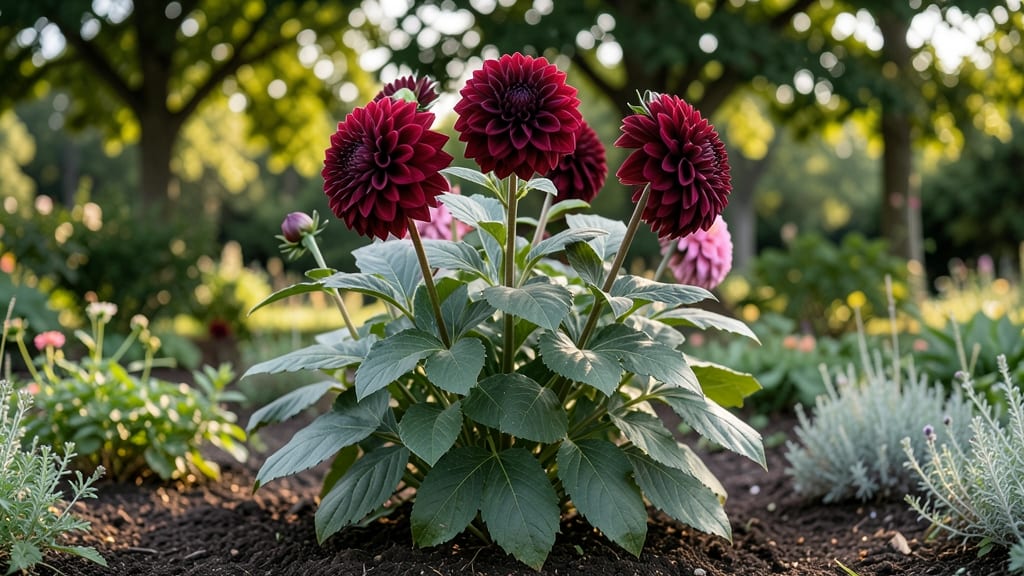
Timing your Dahlia planting in Alabama is the difference between a garden bursting with 🌸 blooms by July and tubers that never make it past the first heatwave.
With our 7a-8b climate zones, getting those tubers in the ground too early risks frost damage, while planting too late means missing peak flowering season entirely.
Most Alabama gardeners wait until mid-April to early May—after the last frost date—when soil temperatures consistently hit 60°F+. But here's the catch: warmer microclimates in southern Alabama might let you start as early as late March, while northern regions should hold off until May 1st to be safe.
What you'll discover is that proper planting timing isn't just about dates—it's about soil conditions, tuber prep, and understanding how Alabama's humidity affects your dahlias' early growth.
I'll walk you through the exact steps to time your planting for maximum success, whether you're a first-time gardener or a seasoned pro looking to boost your blooms.
From hardening off tubers to selecting the right varieties for our heat zones, these strategies will help you avoid common mistakes that leave Alabama gardeners frustrated every year. Let's get those dahlias thriving when they count most.
Alabama heat-Zone planting timeline: frost dates by region
Alabama’s diverse climate—from the cooler Appalachian foothills to the steamy Gulf Coast—means dahlia planting times vary dramatically. I’ve broken down the optimal planting windows by heat zone, so you can plant tubers when soil temperatures are safe (60°F+) and avoid frost damage.
Even a single late frost can kill tender dahlia shoots, so timing is everything.
Most of Alabama falls into USDA Zones 7a-8b, but microclimates create big differences. For example, North Alabama (Zone 7a) has later last frosts (around April 15) compared to South Alabama (Zone 8b), where you can plant as early as March 1.
Always check your local Alabama Cooperative Extension for precise frost dates—your neighbors’ gardens might not match yours!
Here’s the critical rule: Plant dahlias 4-6 weeks after your last frost date when soil is warm. In Alabama, that typically lands in late April to early May for most regions. But if you’re eager to start earlier, you can pre-sprout tubers indoors in March to give them a head start.
| Region | USDA Zone | Last Frost Date | Optimal Planting Window | Soil Temp Threshold |
|---|---|---|---|---|
| North Alabama (Huntsville, Decatur) | 7a | April 15 | May 1-15 | 60°F+ |
| Central Alabama (Birmingham, Montgomery) | 7b-8a | March 25-April 10 | April 15-May 1 | 60°F+ |
| South Alabama (Mobile, Dothan) | 8a-8b | February 28-March 15 | March 15-April 1 | 55°F+ |
| Gulf Coast (Pensacola, Gulf Shores) | 8b | February 15 | February 28-March 15 | 55°F+ |
🌱 Pro Tip: Use a soil thermometer to confirm warmth—dahlias hate cold soil!
If you’re in North Alabama (Zone 7a), don’t rush to plant—waiting until May 1 ensures your tubers won’t rot in chilly soil. Meanwhile, South Alabama gardeners can start as early as March 15, but be prepared for humidity challenges like powdery mildew.
I’ve planted dahlias in Mobile and Huntsville, and the difference in timing is night and day!
Before planting, prep your soil with compost or aged manure to improve drainage—Alabama’s clay-heavy soils can suffocate dahlia roots. Aim for a pH of 6.5-7.0 and mix in perlite or sand if your soil is compacted. Dahlias are hungry feeders, so don’t skimp on organic matter!
For container growing, you can plant tubers 2-4 weeks earlier than in-ground, since pots warm up faster. Just ensure your containers have drainage holes and use a lightweight potting mix. I’ve had great success with 5-gallon buckets on patios in Birmingham, even in Zone 7b.
One critical mistake Alabama gardeners make? Planting tubers too deep. Stick to 4-6 inches deep—any deeper, and they’ll struggle to sprout. Mark your planting spots with stakes or flags so you remember where they are, especially if you’re mulching heavily to retain moisture.
Finally, monitor your local forecast in the weeks leading up to planting. A late frost warning might delay your
Alabama heat-Zone planting timeline: frost dates by region
Alabama’s diverse climate—from the cooler Appalachian foothills to the humid Gulf Coast—means your dahlia planting window can vary by 4-6 weeks depending on where you live. Understanding your USDA heat zone (8A-9B) is key to timing tubers perfectly for zero-frost survival.
Most of Alabama falls in zones 7B-8A, where the average last frost date ranges from mid-March in the north to early April along the coast. However, microclimates (like valleys or urban heat islands) can shift these dates by 1-2 weeks either way.
For precise timing, check your local county extension office—they track frost data year-to-year. As a general rule, plant dahlias 4-6 weeks after your last frost when soil reaches 60°F+. This gives tubers time to establish roots before Alabama’s 90°F+ summers hit.
🌱 Alabama Dahlia Planting Timeline by Region
| Region | USDA Zone | Avg Last Frost | Ideal Planting Window | Soil Prep Tip |
|---|---|---|---|---|
| North Alabama (Huntsville) | 7B-8A | March 15-20 | April 15-May 1 | Add compost to cool soils |
| Central Alabama (Birmingham) | 7B-8A | March 25-April 1 | April 15-May 10 | Mulch heavily for heat retention |
| South Alabama (Mobile) | 8A-8B | April 1-5 | April 15-May 15 | Use shade cloth for young plants |
| Gulf Coast (Pensacola) | 8B | April 5-10 | April 20-May 20 | Plant in raised beds for drainage |
🌡️ Pro Tip: Use a soil thermometer—dahlias need 60°F+ soil to thrive.
If you’re in zone 8B or warmer, you can push planting to late April or early May—but beware of sudden cold snaps, which are common in Alabama’s unpredictable spring weather.
For extra protection, consider row covers or planting in containers that can be moved indoors if frost threatens.
Once planted, dahlias thrive in Alabama’s heat once established, but early-season care (like consistent watering and mulching) is critical. Aim for full blooms by July—just in time for Alabama’s humid summer garden parties!