
Planting
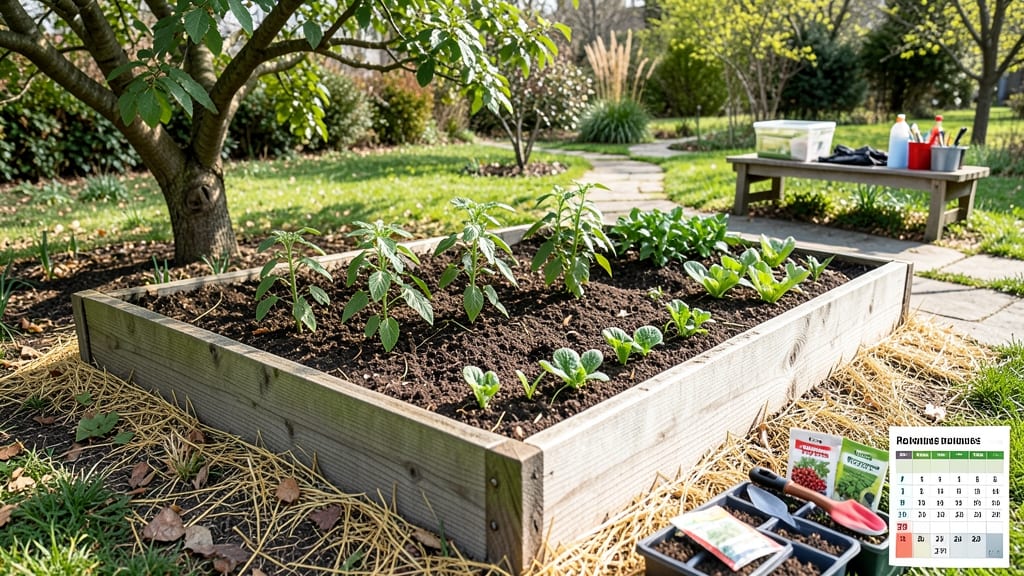
Timing your garden planting in Pennsylvania can mean the difference between a thriving 🌱 harvest and wasted seeds—because those unpredictable spring frosts don’t care about your schedule. Whether you're in Philadelphia, Pittsburgh, or the rural countryside, knowing the exact frost dates for USDA Zones 5-7 is your secret weapon.
I’ve spent years tracking Pennsylvania’s planting windows, and the key isn’t just guessing when to start seeds indoors or transplant seedlings. It’s about matching your garden’s rhythm with Mother Nature’s—whether that means getting cool-season crops in by March 15 or waiting until after May 15 for heat-loving tomatoes.
This guide cuts through the confusion with a month-by-month planting calendar tailored to your region’s frost patterns. You’ll learn which crops to sow in March (yes, really!) and how to adjust when late frosts or early heatwaves throw your plans off track.
Ready to stop second-guessing and start growing? Let’s dive into the most efficient way to plant your Pennsylvania garden—so you can enjoy fresh veggies from summer through fall without the guesswork.
Pennsylvania frost dates & planting zones: when to start seeds indoors vs. outdoors
Pennsylvania’s USDA Zones 5-7 create a unique gardening challenge with last frost dates ranging from late April to early June. Understanding these frost windows helps you time seed starting and outdoor planting perfectly.
In colder northern regions like Erie, the last frost often hits May 15, while southern areas like Philadelphia can see frost-free soil as early as April 15.
For cool-season crops like spinach and peas, you can start seeds outdoors 4-6 weeks before your last frost date.
Meanwhile, warm-season crops such as tomatoes and peppers need to wait until 2 weeks after your last frost date—typically late May to early June—to avoid frost damage. Indoor seed starting is your best bet for warm-season crops, with most needing 6-8 weeks of indoor growth before transplanting.
Here’s how to use these frost dates to time your planting:
| Region | Last Frost Date | First Frost Date | Start Cool-Season Seeds Outdoors | Transplant Warm-Season Crops |
|---|---|---|---|---|
| Philadelphia (Zone 7a) | April 15 | October 30 | March 15 | May 15 |
| Pittsburgh (Zone 6a) | May 1 | October 15 | April 1 | May 30 |
| State College (Zone 5b) | May 10 | October 5 | April 15 | June 5 |
| Erie (Zone 6b) | May 15 | October 10 | April 10 | June 1 |
If you’re in Zone 6 or Zone 7, aim to start tomato and pepper seeds indoors by February 15 to ensure they’re ready for transplanting after your last frost.
For cool-season crops, direct sowing in early spring is ideal—think lettuce, kale, and radishes—as they thrive in cooler temperatures. Herbs like parsley and cilantro also love the early spring chill.
Pro tip: Use row covers or cold frames to extend your planting window for heat-loving crops. This lets you plant eggplants and okra a few weeks earlier than the standard timeline. Just remove the covers once nighttime temperatures stay above 50°F consistently.
For perennial flowers, like coneflowers and black-eyed Susans, plant them in early spring or early fall to give roots time to establish before winter. These hardy plants can handle Pennsylvania’s cold snaps once established, making them low-maintenance additions to your garden.
Always double-check with your local Penn State Extension office for the most accurate frost dates in your area. Microclimates—like urban heat islands or protected garden spots—can shift frost dates by 1-2 weeks, so pay attention to your specific location’s patterns over time.
Remember, soil temperature matters just as much as air temperature. Use a soil thermometer to confirm your soil is at least 50°F before planting cool-season crops and 60°F for warm-season crops. This small step can mean the difference between healthy seedlings and frost damage.
Start your garden planning now by marking these frost dates on your calendar. With the right timing, you’ll be harvesting fresh vegetables and blooming flowers all season long—no more guessing games! 🌱
Best month-by-month planting schedule for Pennsylvania gardens (Zone 5-7)
Pennsylvania’s USDA Zones 5-7 offer a long growing season, but timing is everything. March kicks off with cool-season crops like spinach and peas, while late summer welcomes warm-season favorites like tomatoes and peppers. Each month brings unique opportunities—knowing what to plant when maximizes your harvest.
Start with early spring crops in March and April, then transition to warm-season plants by May. Fall planting (September-October) extends your harvest with hardy greens and root vegetables. Below, I’ve broken down the ideal planting schedule by month for Pennsylvania’s diverse microclimates.
🌱 Month-by-Month Planting Guide for PA Gardens
| Month | Plant Type | Examples | Notes |
|---|---|---|---|
| March | Cool-Season Vegetables | Spinach, Peas, Lettuce, Kale | Start seeds indoors or direct sow after last frost. |
| April | Herbs & Early Blooms | Parsley, Chives, Pansies, Snapdragons | Transplant seedlings after soil warms to 50°F. |
| May | Warm-Season Staples | Tomatoes, Peppers, Cucumbers, Basil | Wait until soil reaches 60°F for best results. |
| June | Succession Planting | Beans, Carrots, Radishes, Zucchini | Sow every 2-3 weeks for continuous harvests. |
| July-August | Fall Prep | Broccoli, Cabbage, Beets, Turnips | Start seeds 6-8 weeks before first frost. |
| September | Hardy Greens | Spinach, Arugula, Radishes, Garlic | Plant after summer heat subsides. |
| October | Perennials & Bulbs | Tulips, Dahlias, Lavender, Mint | Plant before ground freezes for spring blooms. |
For warm-season crops, like tomatoes and peppers, wait until after the last frost date (typically mid-May in most of PA). In Zone 7 areas (like Philadelphia), you can plant slightly earlier, while Zone 5 regions (like State College) may need to wait until late May.
Don’t overlook fall planting—it’s a gardener’s secret to a late harvest. Crops like kale, carrots, and beets thrive in cooler weather. Start seeds in late summer for a September-October harvest before winter sets in.
Pro tip: Use row covers or cold frames to extend your growing season. This lets you plant earlier in spring or later in fall, giving you 2-3 extra weeks of harvest time.
Finally, keep a planting journal to track what works best in your microclimate. Over time, you’ll refine your schedule to match your garden’s unique conditions—whether you’re in Pittsburgh’s cooler hills or Philadelphia’s urban heat islands. 🌱