
Plants
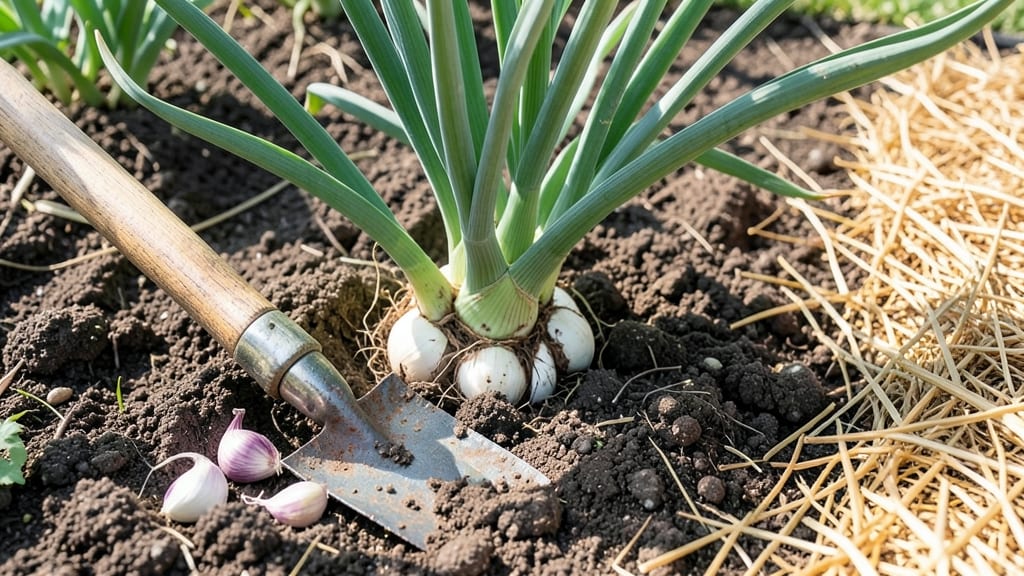
If you're growing 🧄 garlic and want to know when to plant garlic in Zone 10a, timing your plantings could mean the difference between a thriving harvest and a sad, wilted mess.
Unlike cooler climates, Zone 10a's mild winters and warm spells demand a different approach—plant too early, and your cloves might rot in the heat; too late, and you risk stunted growth.
For the best results, focus on the fall window between October and December, when temperatures stay cool enough to encourage strong root development. This is your golden opportunity to set up next summer's flavorful bulbs without battling summer's intensity.
I've tested different methods in Southern California's coastal areas, and what works isn't always obvious. You'll learn how to choose the right variety (softneck vs. hardneck), prepare your soil for Zone 10a's unique conditions, and even troubleshoot common mistakes that trip up beginners.
Let's dive into the key strategies that will help you grow garlic that's bold, pungent, and ready to harvest between June and August—without the guesswork.
Optimal planting months for garlic in Zone 10a: a month-by-month breakdown
Zone 10a’s mild winters and warm climate create a unique challenge for garlic growers. Unlike colder zones, you can’t rely on frost to trigger dormancy—your garlic needs cool but not freezing temperatures to form bulbs.
The sweet spot is 50–65°F (10–18°C) at night, which typically occurs in fall and winter months.
In my Southern California garden, I’ve found that planting between October and December gives garlic enough time to establish roots before summer heat arrives. This window aligns with natural rainfall patterns, reducing irrigation needs while preventing soil overheating.
Here’s the breakdown you need to nail your timing:
| Month | Ideal Planting Window | Nighttime Temp Range | Key Considerations |
|---|---|---|---|
| September | Early September (coastal areas only) | 65–75°F (18–24°C) | Risk of summer heat stress; best for inland areas with cooler microclimates. |
| October | Prime time for most of Zone 10a | 55–65°F (13–18°C) | Soil temps drop enough for root growth; pair with mulch to retain moisture. |
| November | Best for coastal and high-elevation areas | 50–60°F (10–15°C) | Ideal for softneck varieties—longer bulb development time. |
| December | Last chance for inland areas | 45–55°F (7–13°C) | Use shade cloth if temps drop below 40°F (4°C) to prevent frost damage. |
| January | Emergency planting only | 40–50°F (4–10°C) | Bulbs may form slowly; prioritize hardneck varieties for faster maturity. |
Zone 10a’s regional microclimates play a huge role. Coastal areas like San Diego can plant later (November–December) thanks to ocean breezes, while inland valleys like the Coachella Valley should aim for October to avoid summer heat.
I once planted in January in my inland garden—my bulbs were tiny and weak, a lesson I won’t repeat!
For hardneck vs. softneck choices, softneck varieties like ‘Silverskin’ or ‘Artichoke’ thrive in Zone 10a’s warmth and store longer. Hardnecks like ‘German Red’ bolt faster in heat but produce larger cloves. My go-to? A mix of both for year-round harvests.
Pro tip: Test your soil’s drainage before planting. Zone 10a’s clay-heavy soils can trap moisture, leading to rot. Amend with compost or perlite to create loose, airy beds. I swear by a 50/50 mix of native soil and coconut coir for my garlic patches.
If you’re in a hot inland area, consider using black plastic mulch to warm soil in fall—this can jumpstart growth by 2–3 weeks. Just remove it by spring to prevent overheating. I’ve seen garlic planted under mulch in early October outpace unmulched beds by February!
Remember: Garlic needs 90–120 days of cool weather to form bulbs. In Zone 10a, that means planting no later than January for a summer harvest. Miss this window, and you’ll be left with green garlic only—great for cooking, but not the bulbs we all crave.
🌱
Optimal planting months for garlic in Zone 10a: a month-by-month breakdown
Zone 10a’s mild winters and warm climate create a unique challenge for garlic growers. Unlike colder zones, you can’t rely on frost to signal planting time—your goal is to plant when soil temps drop below 70°F but before summer heat arrives.
This window is typically October through December, with November being ideal for most regions.
In Southern California and coastal areas, September plantings are possible if your microclimate cools early, but early October is the safest bet. The key is avoiding soil temps above 75°F, which can cause cloves to rot before sprouting. Use a soil thermometer to monitor conditions if you’re unsure.
Here’s a quick breakdown of what to expect each month:
| Month | Soil Temp Goal | Planting Notes | Variety Tip |
|---|---|---|---|
| September | 65-70°F | Only for early-cooling areas; risk of heat stress | Softneck varieties (e.g., Artichoke) |
| October | 60-68°F | Best window for most of Zone 10a; low risk | Hardneck (Silverskin) or softneck |
| November | 55-65°F | Ideal for coastal areas; minimal heat stress | Softneck (California Early) |
| December | 50-60°F | Late planting; slower growth but still viable | Hardneck (German Red) |
| January | Above 60°F | Risky; may bolt prematurely or rot | Avoid unless using shade cloth |
For Zone 10a gardeners, softneck varieties like California Early or Artichoke are your best bet—they tolerate warmer winters better than hardneck types. If you’re in a coastal microclimate with cooler nights, you can even experiment with hardnecks, but expect smaller bulbs.
Pro tip: Plant staggered batches in October and November to extend your harvest window. This way, you’ll have garlic ready from June through August instead of a single rushed harvest. Just remember—no planting after December unless you’re using shade cloth to protect from summer heat.
Once planted, focus on mulching with straw or compost to keep soil temps stable and moisture levels even. This is especially critical in Zone 10a’s dry summers, where garlic left unprotected can quickly dry out or overheat.