
Plants
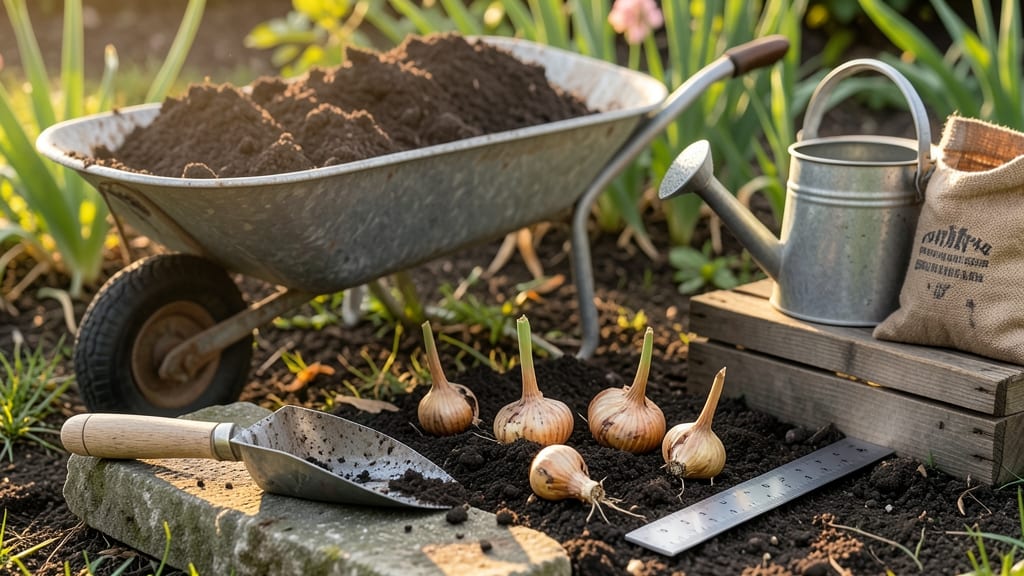
Planting gladiolus bulbs at the wrong time in California can mean the difference between a showstopping garden and wasted effort. Whether you're in frost-prone Sacramento or sunny San Diego, timing matters—especially for these tall, dramatic 🌸 flowers that thrive in zones 9-11.
Most gardeners assume spring is the only window, but California’s microclimates actually offer two prime opportunities: cool coastal regions (February–April) and inland deserts (October–November). Skip the guesswork and plant when temperatures align with your zone to avoid stunted growth or missed blooms.
I’ll break down the exact months for your region, plus soil prep secrets to give your gladiolus a head start. Ready to transform your garden into a year-round floral display? Let’s get started.
From avoiding summer dormancy to handling Southern California’s mild winters, this guide covers everything you need to know for zero-frost success—no matter where you live in the Golden State.
California planting zones: exact timing for gladiolus bulbs by region
California’s microclimates create a puzzle for gladiolus lovers—what works in frost-prone Sacramento fails in sunbaked Palm Springs. The key? Planting gladiolus bulbs at the right time based on your USDA zone and local frost dates.
Coastal areas like San Francisco (Zone 9-10) can plant as early as February, while inland deserts (Zone 10-11) thrive with October plantings to avoid summer dormancy.
Gladiolus corms need 60-90 days of warm soil to bloom, so timing matters. In Northern California (Zones 7-9), aim for March-April plantings to dodge late frosts.
Southern California (Zones 9-11) gardeners can extend blooms by planting in both spring and fall, but coastal fog delays growth—adjust by 2-3 weeks later than inland areas.
Here’s your zone-specific planting timeline to maximize blooms:
| Region | USDA Zones | Best Planting Months | Bloom Window | Key Tip |
|---|---|---|---|---|
| Northern CA (Sacramento, Redding) | 7-9 | March–April | June–September | Wait until soil reaches 60°F. |
| Central CA (San Francisco Bay) | 9-10 | February–March | May–August | Plant 2 weeks later in foggy areas. |
| Southern CA (Los Angeles, San Diego) | 10-11 | October–November OR February–March | January–February OR June–July | Fall plantings bloom earlier than spring. |
| Desert CA (Palm Springs, Joshua Tree) | 10-11 | October–November | December–March | Mulch heavily to retain moisture. |
Pro tip: Use container gardening in Zone 10+ to plant year-round. Just ensure pots have drainage holes—gladiolus hate soggy roots. Inland areas like Bakersfield can even try winter plantings (December) for spring blooms, but protect from unexpected 30°F nights with row covers.
Watch for local frost alerts—even Zone 10 can see frost in high elevations. For example, Mount Shasta (Zone 7) needs May plantings, while Eureka (Zone 9) is safe by March 1st.
Check your last frost date via the USDA Plant Hardiness Map and plant 6 weeks after for zero-frost success.
Soil temperature is your secret weapon. Use a soil thermometer—gladiolus corms need 60°F+ soil to sprout. In cooler coastal zones, this might mean waiting until late March, while inland valleys can start in February.
Amend heavy clay soil with compost to improve drainage—gladiolus roots rot in waterlogged conditions.
For extended blooms, stagger plantings every 2 weeks. For example, in San Diego, plant 1/3 of your corms in October (for winter blooms) and the rest in February (for summer color). This creates a continuous display from December to September.
Remember: Southern California’s mild winters let you experiment with fall plantings, but Northern California’s frosts demand spring-only timing. Always choose disease-resistant varieties like ‘Green Star’ or ‘Picasso’ to handle California’s humidity swings.
Start with small batches to test your local microclimate. If your first batch blooms late, adjust next year’s planting by 2 weeks earlier. With this zone-specific approach, you’ll enjoy gladiolus blooms year-round, no matter where you garden in California.
Spring vs. fall planting: which season works best for California gladiolus?
Deciding between spring and fall planting for gladiolus bulbs in California depends on your region’s climate and bloom goals. While spring planting is classic, fall planting can extend your blooming season—especially in Southern California’s mild winters. Let’s break down the pros, cons, and success rates for each approach.
In cooler coastal regions like San Francisco or Santa Barbara, spring planting from February to April aligns perfectly with the soil warming up. This ensures summer blooms when temperatures are ideal.
However, inland desert areas like Palm Springs or Bakersfield often opt for fall planting (October-November) to avoid summer heat stress.
Gladiolus corms thrive in 60-75°F soil temperatures. Spring planting gives them a head start, while fall planting lets them establish roots before winter’s mild chill. The key? Timing is everything—plant too early, and bulbs may rot; too late, and they’ll struggle to bloom.
Spring vs. Fall Planting: Pros & Cons
Spring Planting
- ✅ Pros: Guarantees summer blooms, ideal for coastal areas
- ✅ Pros: Avoids winter dormancy risks
- ❌ Cons: Summer heat can stress plants in inland zones
- ❌ Cons: Requires consistent watering during dry spells
Fall Planting
- ✅ Pros: Extends blooming into winter (desert regions)
- ✅ Pros: Cooler temps reduce water needs
- ❌ Cons: Risk of frost damage in high elevations
- ❌ Cons: Slower growth in mild winters
For Northern California (USDA Zones 7-9), spring planting is safer—aim for late February to March after the last frost. In Southern California (Zones 10-11), fall planting in October-November lets you enjoy blooms from December to March, perfect for holiday gardens.
Pro tip: Stagger your planting! Plant a batch in spring and another in fall to enjoy continuous blooms from June through March. Just ensure your soil stays well-draining—gladiolus hate soggy roots, whether planted in spring or fall.
Watch for heat stress if spring-planting in inland areas. Mulch with straw or wood chips to retain moisture and cool the soil. For fall plantings, protect bulbs with a light frost cloth if temperatures dip below 30°F.