
Plants
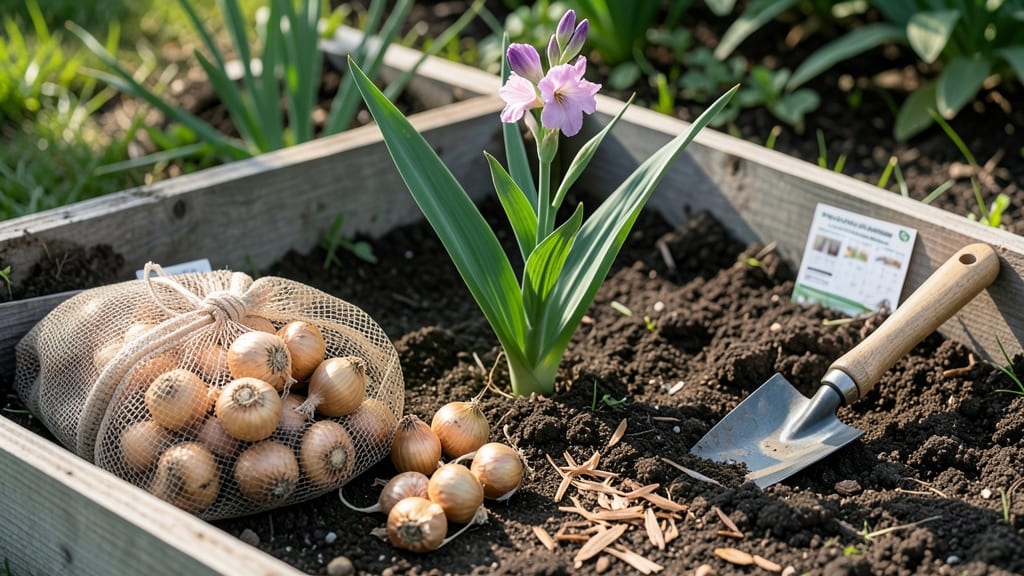
Timing your Gladiolus 🌸 planting in Florida isn’t just about the calendar—it’s about beating the heat and avoiding the humidity that can turn your corms into a science experiment gone wrong.
If you’ve ever watched your glads wilt under August’s scorching sun or rot in soggy September soil, you know the stakes are high for these tall, dramatic bloomers.
The perfect window—August through September—gives your glads the head start they need to establish roots before the cooler months arrive.
But here’s the catch: Florida’s climate zones (especially 9a-11) mean North Florida’s timing might differ slightly from South Florida’s. I’ll break down the exact months to plant, plus how to adjust for your specific heat zone to ensure zero-frost stress and maximum bloom power.
You’ll also discover how to prep your soil like a pro, which companion plants keep pests at bay, and why mulching isn’t just a nice-to-have—it’s a game-changer for Florida’s unpredictable weather. Let’s dive into the science-backed schedule that’ll have your garden bursting with October-December color without the guesswork.
Whether you’re a seasoned gardener or a first-timer with a shovel, these insights will help you avoid the most common mistakes—like planting too early and frying your corms or waiting too late and missing the bloom window entirely. Ready to grow glads that steal the show? Let’s get started.
Florida’s gladiolus planting timeline by heat Zone: exact months for zero-frost success
Florida’s climate zones—from North Florida’s cooler hills to South Florida’s tropical heat—create a unique challenge for gladiolus growers. Unlike northern states, frost isn’t the enemy here; heat stress and humidity are.
The key to success? Planting when soil temperatures drop just enough to avoid heat shock while still giving your corms time to establish roots before winter’s mild chill.
Gladiolus thrive in Florida’s USDA Zones 9a-11, where frost is rare or nonexistent. This means your planting window focuses on escaping summer’s peak heat (which can scorch corms) and aligning with Florida’s natural rainfall patterns.
The ideal time? Late summer to early fall, when temperatures dip slightly and humidity remains high enough to support root growth.
Here’s the breakdown by Florida region—because what works in Jacksonville (Zone 8b) might stress plants in Miami (Zone 11). Use this as your heat-zone planting calendar to time it perfectly.
| Florida Region | USDA Zone | Best Planting Month | Soil Temp Threshold | Bloom Window |
|---|---|---|---|---|
| North Florida (Panhandle) | 8b-9a | Late August - Early September | 65-75°F (avoid >85°F) | October - November |
| Central Florida (Orlando, Tampa) | 9a-9b | Early August - Mid-September | 70-78°F (avoid >88°F) | September - December |
| South Florida (Miami, Key West) | 10a-11 | July - Early August | 75-82°F (avoid >90°F) | August - November |
| All Regions (Container Gardening) | Flexible | June - September | 60-80°F (monitor pot temps) | Adjustable (staggered planting) |
🌡️ Pro Tip: Use a soil thermometer to confirm temps before planting—gladiolus corms need cool roots but warm air for growth.
Notice how South Florida’s window opens earlier? That’s because the region’s consistent 80°F+ soil temps in June can stress corms if planted too soon.
In contrast, North Florida’s cooler nights in late August make it safer to plant later. Central Florida’s range reflects its transitional climate—plant too early, and you risk heat shock; too late, and blooms may arrive after winter’s chill sets in.
For container gardening, flexibility is key. Pots heat up faster than soil, so aim for early morning planting (before 10 AM) and use lightweight, breathable fabric pots to prevent root rot.
If you’re in Zone 9a or cooler, consider a lightweight row cover for evening protection during late summer’s heat spikes.
One critical mistake Florida gardeners make? Planting gladiolus corms in spring or early summer. The intense sun and dry heat can cause corms to bake in the soil, leading to poor root development.
Instead, wait until late summer’s humidity returns—this mimics their natural Mediterranean climate origins, where they thrive in cool, moist soils.
To extend your blooming season, try staggered planting: Plant 1/3 of your corms in August, another 1/3 in early September, and the final 1/3 in late September.
This ensures continuous blooms from October through December, just as Florida’s cool season begins. Pro Tip: Use different-colored varieties for a rainbow effect in your garden!
Finally, don’t overlook soil prep. Gladiolus need well-draining, slightly acidic soil (pH 6.0-6.8). Amend heavy clay soils with compost or sand, and avoid planting in low-lying areas where water pools after rain.
A 2-inch layer of mulch (straw or pine needles) helps retain moisture and regulates soil temperature—critical for Florida’s swinging humidity levels.
With these heat-zone-specific timelines, you’ll avoid the two biggest gladiolus pitfalls in Florida: heat stress and poor root establishment. Next up: How to adjust for container gardening, shade tolerance, and post-hurricane recovery—stay tuned! 🌸
Critical factors that determine the best planting time for gladiolus in Florida
Florida’s humidity levels and summer heat waves play a huge role in when you should plant gladiolus corms. Unlike northern climates, we don’t have to worry about frost, but we do need to avoid planting during the hottest months when soil temperatures can exceed 90°F, stressing young roots.
The ideal window balances soil warmth (70-80°F) with cooler afternoon breezes that help corms establish.
Another key factor is soil moisture retention. Florida’s sandy soils drain quickly, so planting too early (like June) risks corms drying out before roots develop. Meanwhile, waiting until late September might push blooming into winter’s cooler months, reducing flower quality.
The sweet spot? Mid-August to early September when humidity is high enough to keep soil moist but temperatures start dipping slightly after peak summer.
For container gardening, timing shifts slightly—you can plant 4-6 weeks earlier than in-ground because pots warm up faster. However, containers also dry out quicker, so use moisture-retentive mixes with perlite and monitor watering closely.
If you’re in North Florida (Zones 8a-9a), aim for late August to avoid early fall’s unpredictable storms.
⚠️ Heat Stress Warning
Planting gladiolus corms during June or July in Florida’s Zone 10-11 areas risks heat shock, where corms rot before sprouting. Even in shade-tolerant varieties, afternoon sun can cause leaf scorch if planted too early. Wait until soil temps drop below 85°F (check with a soil thermometer) to ensure root success.
If you’re recovering from a hurricane or tropical storm, hold off planting for 2-3 weeks post-event. Flooded or waterlogged soil can lead to corm rot—even if temperatures seem ideal.
Test soil drainage by digging a hole, filling it with water, and timing how long it takes to drain. Gladiolus need well-draining soil that dries within 24 hours to thrive.
For shade tolerance, most gladiolus varieties need at least 6 hours of sun daily, but in South Florida’s intense heat (Zones 10b-11), partial afternoon shade (like dappled light from palm trees) can help extend blooming season.
If your yard has limited sun, choose dwarf varieties like ‘Pyramid’ or ‘Attraction’—they tolerate slightly shadier conditions better than standard types.
Finally, consider your local microclimate. Coastal areas stay warmer longer than inland zones, so adjust planting dates 1-2 weeks later than inland schedules. Use a weather app to track nighttime lows—gladiolus need temps above 60°F to sprout consistently.
With these factors in mind, you’ll avoid the most common pitfalls and enjoy longer, healthier blooms** from October through December.