
Plants
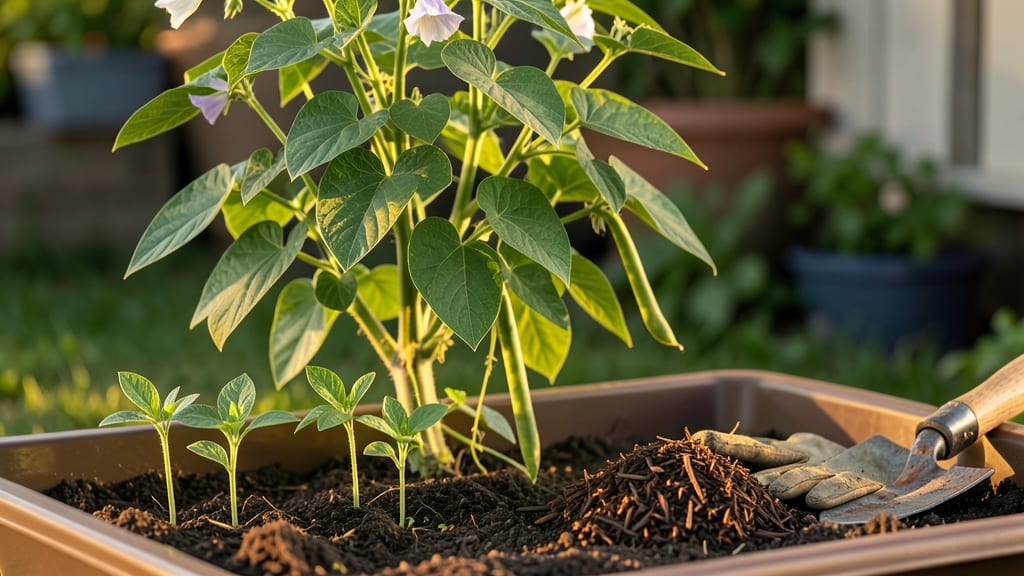
Southern California green bean planting zones: exact dates by microclimate (coastal vs inland)
Southern California’s frost-free growing season means you can plant green beans almost year-round—but timing still matters. The key is avoiding summer’s 90°F+ heat and coastal humidity spikes.
Inland areas like Riverside and Palm Springs can handle late-summer plantings, while coastal zones like Santa Barbara and San Diego thrive in cooler spring/fall windows. Let’s break down the exact planting dates by microclimate to maximize your harvest.
First, check your USDA zone (7-11) and local soil temperature. Green beans need soil at 60°F+ to germinate. Use a soil thermometer—if it’s cooler, wait 1-2 weeks. Coastal areas often hit this threshold in late February to early March, while inland zones may be ready by mid-March.
For fall plantings, aim for August-September to avoid bolting before winter.
Here’s how to adjust for your specific location:
For container gardening, coastal areas can start seeds indoors 4-6 weeks before your target outdoor date. Use biodegradable pots to transplant seedlings directly into the ground, reducing shock. Inland gardeners should prioritize shade cloth (30-50%) for late-summer plantings to protect tender seedlings from intense afternoon sun.
Pro tip: Test your soil’s pH (6.0-7.0 ideal) before planting. Coastal soils often need lime to raise pH, while inland soils may benefit from compost to improve drainage. Amend beds 2-3 weeks before sowing to give nutrients time to integrate.
Heat-tolerant varieties like ‘Blue Lake’ or ‘Contender’ handle summer better than traditional bush beans. For fall plantings, choose ‘Roma II’ or ‘Tendergreen’, which mature quickly before winter chills. Always plant seeds 1 inch deep and 4 inches apart in rows 18 inches apart for optimal airflow.
Mulch heavily with straw or wood chips to retain moisture and regulate soil temperature. Coastal gardeners should use light-colored mulch to reflect excess heat, while inland areas benefit from dark mulch to absorb and retain warmth.
Water deeply at soil level (not overhead) to prevent fungal diseases like anthracnose, common in humid coastal areas.
Monitor for bean beetles and aphids, which thrive in Southern California’s mild winters. Use neem oil or row covers for organic protection. If you notice yellowing leaves, it’s often a sign of overwatering—green beans prefer consistent moisture, not soggy soil.
With these microclimate-specific deadlines, you can enjoy fresh green beans for 8+ months in Southern California. Start with one zone’s schedule, then adjust based on your garden’s microclimate—your future harvest will thank you! 🌱
How to extend your green bean harvest: succession planting for Southern California’s mild winters
Southern California’s mild winters and long growing season let you harvest green beans twice—or even three times—per year. Unlike northern gardeners, we don’t need to wait for spring thaw; we can plant fall, winter, and early spring crops with the right varieties and timing.
The key? Succession planting and heat-tolerant varieties like 'Contender' or 'Blue Lake'.
Start your first planting in late summer (August-September) for a fall harvest. These beans mature quickly—typically in 50-60 days—so they’ll finish before winter chill sets in.
Then, plant again in January-February for a spring harvest just as summer heat arrives. This two-step approach gives you beans from October through June.
For three harvests per year, add a winter crop in November using cold-hardy varieties like 'Tendercrop'. These can tolerate light frosts (though Southern California rarely sees them) and thrive in cooler temps. Just plant in well-draining soil and protect with row covers if nights dip below 40°F.
- 📅 August-September: Plant heat-tolerant varieties (e.g., 'Blue Lake') for fall harvest (October-November).
- ❄️ November: Sow cold-hardy types (e.g., 'Tendercrop') for winter harvest (January-February).
- 🌞 January-February: Plant spring varieties (e.g., 'Contender') for summer harvest (April-June).
- ☀️ May-June: Succession-sow every 2 weeks to extend harvest into fall.
To avoid bolting (when plants flower prematurely), choose short-day varieties for summer and long-day types for winter. Also, mulch heavily in summer to keep roots cool—straw or wood chips work best. In coastal areas, watch for humidity-related diseases like rust; space plants 18 inches apart for airflow.
Container gardeners can also double their harvest by planting bush beans in 5-gallon pots every 3 weeks. Just ensure pots have drainage holes and use a lightweight potting mix. This method works year-round, even in urban balconies.
Finally, rotate planting locations each season to prevent soil-borne diseases. Green beans are heavy feeders, so amend soil with compost before each planting. With these tricks, you’ll enjoy fresh, homegrown beans for nearly every month of the year!