
Plants
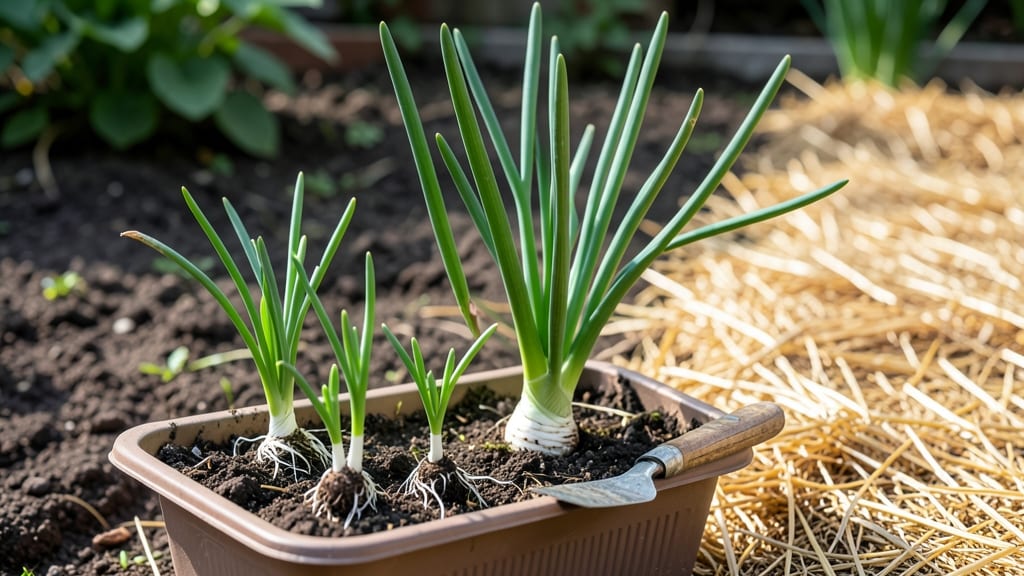
If you've ever wondered when to plant green onions in Zone 9 for the freshest, most flavorful harvests, the answer isn't just about timing—it's about working with your climate's unique rhythm. 🧅 Unlike colder zones, Zone 9's frost-free winters and warm springs create a year-round growing window that most gardeners overlook.
The secret to success lies in understanding how to leverage these conditions for continuous production, from fall's mild temperatures to summer's heat.
Planting at the wrong time can lead to bitter flavors or stunted growth, but with the right approach, you can enjoy fresh green onions straight from your garden for months.
I'll show you exactly when to start seeds or transplants for each season, so you never run out of this versatile ingredient. Whether you're a seasoned gardener or just starting out, these insights will help you maximize your harvest with minimal effort.
Zone 9's microclimates—especially the differences between coastal and inland areas—play a huge role in determining the perfect planting schedule. You'll discover how to time your plantings for ideal soil temperatures, avoid common pitfalls like bolting in summer heat, and even extend your harvests through succession planting.
Let's dive into the strategies that will transform your green onion game this year.
The best part? You don't need complicated techniques—just a few key adjustments tailored to your local conditions. I'll walk you through everything from soil prep to watering schedules, so you can enjoy homegrown green onions that taste better than anything you've bought from the store.
Ready to grow your own year-round supply?
Best planting times for green onions in Zone 9 by season
Zone 9’s frost-free climate means you can grow green onions year-round, but timing still matters for sweet, tender harvests. Unlike colder zones, you’ll avoid bolting (premature flowering) by planting strategically—especially during hot summers and mild winters.
The key is aligning your planting schedule with temperature shifts and rainfall patterns to maximize growth.
For continuous harvests, focus on two main windows: fall (September–November) and spring (February–April). These periods offer cool soil temperatures (ideal for germination) and moderate rainfall, reducing the need for supplemental watering. Summer plantings are possible but require shade cloth and frequent watering to prevent stress.
🌱
| Season | Best Planting Months | Soil Temp (°F) | Harvest Window | Zone 9 Notes |
|---|---|---|---|---|
| Fall | September–November | 60–75°F | November–February | Cooler temps slow bolting; mulch to retain moisture. |
| Winter | December–January | 55–65°F | February–April | Slow growth; protect from wind with row covers. |
| Spring | February–April | 65–75°F | April–June | Peak growth; water deeply during dry spells. |
| Summer | June–August | 75–85°F | July–September | Risk of bolting; use shade cloth and morning watering. |
In coastal Zone 9 (e.g., Southern California), cooler ocean breezes extend the fall planting window into early December. Inland areas like Phoenix should plant fall crops by late October to avoid heat stress as temperatures rise.
Test soil moisture weekly—drought conditions in summer can stunt growth within 10 days if ignored.
For year-round success, pair your planting schedule with succession planting (every 3–4 weeks). This ensures a steady supply of green onions, even during hotter months. Start with shorter-day varieties like ‘Evergreen Hardy White’ for fall/winter, then switch to heat-tolerant types like ‘Tokyo Long White’ in spring/summer.
🌿
Pro tip: Mark your calendar for equinoxes (March 20 and September 22). These dates align with optimal soil temperatures for germination in Zone 9. For example, planting 2 weeks before the autumn equinox (early September) gives seedlings time to establish before cooler nights arrive.
Use a soil thermometer to confirm temps are above 60°F before sowing.
If you’re new to Zone 9 gardening, avoid planting in July or August unless you’re committed to daily shade and watering. The combination of high heat and low humidity causes green onions to bolt within 2–3 weeks.
Instead, focus on fall and spring for the sweetest, most tender harvests with minimal effort.
☀️
Best planting times for green onions in Zone 9 by season
Zone 9’s frost-free climate means you can grow green onions year-round—but timing still matters for sweet, tender harvests. The ideal planting windows are fall (September-November) and early spring (February-March), when temperatures stay mild and soil remains workable.
Coastal areas in Zone 9 (like San Diego or Los Angeles) can plant throughout winter, while inland regions (e.g., Phoenix) should avoid summer heat to prevent bolting. Let’s break down the best months for each season to maximize your harvest.
| Season | Best Planting Months | Temperature Range | Harvest Window | Notes |
|---|---|---|---|---|
| Fall | September–November | 60–75°F | October–December | Cool nights prevent bolting; ideal for winter harvests. |
| Winter | December–February | 50–65°F | February–April | Slow growth; use cold-hardy varieties like 'Evergreen Hardy White'. |
| Spring | February–March | 65–78°F | April–June | Fastest growth; avoid planting after March in inland areas. |
| Summer | August–Early September | 70–85°F | September–October | Use shade cloth to prevent bolting; water deeply. |
For coastal Zone 9 gardens, you can plant green onions every 3–4 weeks from September through March for continuous harvests. Inland areas should focus on fall and early spring to avoid the brutal summer heat, which causes bitter flavors and premature bolting.
Pro tip: If you’re in a hot inland microclimate, opt for heat-tolerant varieties like 'Beluga' or 'Tokyo Long White' and plant in partial shade (4–6 hours of sun). Mulch with straw to keep roots cool and soil moist.
Remember, green onions are fast growers—just 30–60 days to harvest! Start with small batches to test your local microclimate before committing to large-scale plantings.