
Plants
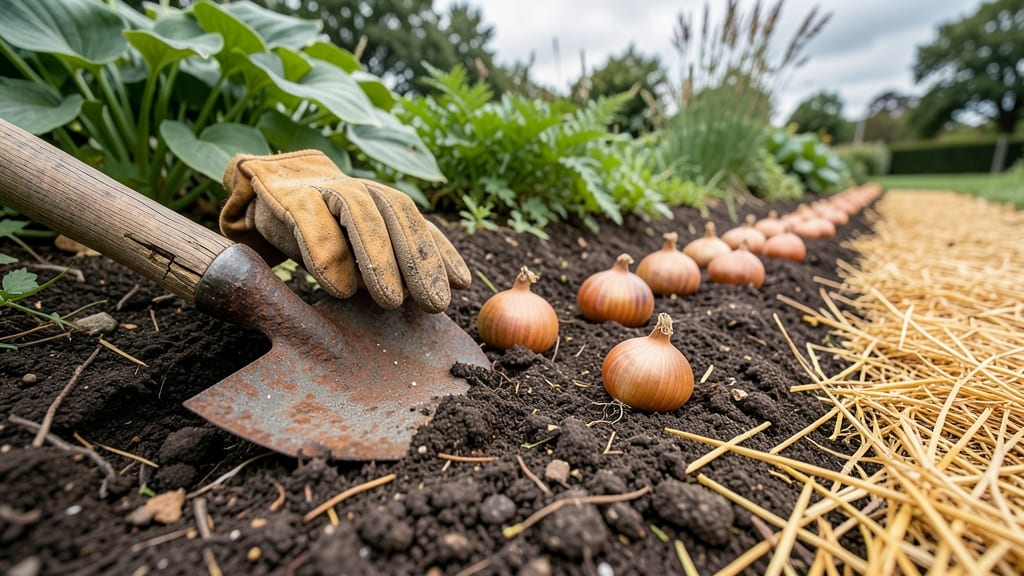
Optimal planting windows for onion sets in Zone 7
Getting the timing right for planting onion sets in Zone 7 can mean the difference between a bumper crop and disappointing results. The last frost date around April 15 and the first frost date near October 15 create two prime planting windows.
For spring harvests, aim to plant 4-6 weeks before your last frost, while fall planting should happen 8-10 weeks before the first frost to mature bulbs before winter.
Zone 7's climate varies between 7a (0-5°F) and 7b (5-10°F) sub-zones, which affects soil warming. In cooler Zone 7a, plant onion sets slightly later in spring (mid-March) to avoid frost damage to emerging shoots.
Meanwhile, Zone 7b gardeners can start planting as early as late February, as the soil warms faster in these milder microclimates.
Soil temperature is critical—onion sets thrive when soil reaches 40-50°F. Use a soil thermometer to confirm readiness. If planting in late winter, cover beds with black plastic mulch for 2-3 weeks to warm the soil faster. This trick helps push your planting window earlier in Zone 7b regions.
Here's how to align your planting with Zone 7's seasonal shifts:
| Planting Window | Zone 7a Timing | Zone 7b Timing | Soil Temp | Harvest Window |
|---|---|---|---|---|
| Spring Planting | Mid-March to early April | Late February to mid-March | 40-50°F | June-July |
| Fall Planting | Mid-August to early September | Late August to mid-September | 50-60°F | October-November |
Microclimates within Zone 7 can shift planting windows by 2-3 weeks. For example, sheltered garden beds near buildings or fences may warm up faster, allowing earlier spring planting. Conversely, low-lying areas or shady spots will delay soil warming.
Observe your garden's unique conditions by planting a test row of onion sets 2 weeks before your target date to gauge success.
In Zone 7b, where winters are milder, you can experiment with late fall planting (November) for a spring harvest. However, this requires heavy mulching (6+ inches of straw) to insulate bulbs from winter chill.
Monitor soil temperatures—if they drop below 32°F for extended periods, protect plants with row covers or move pots to a sheltered location.
For spring planting, avoid the temptation to plant too early. Onion sets planted in January or early February may emerge too early and get damaged by late frosts. Instead, wait until soil temperatures stabilize above 40°F consistently. In Zone 7a, this typically means waiting until mid-March.
If you miss the spring window, don't despair—fall planting offers a second chance. Plant onion sets in late August or early September for a harvest before winter sets in.
Choose short-day varieties (like Texas Early White) for fall planting, as they mature faster in cooler temperatures. Space plants 4-6 inches apart to prevent overcrowding as bulbs swell.
Pro tip: Mark your calendar with local frost dates from your Cooperative Extension Service (e.g., extension.org) for precise timing. In Zone 7, these dates can vary by 10-14 days between urban and rural areas due to the heat island effect.
Optimal planting windows for onion sets in Zone 7
Zone 7 gardeners have two prime opportunities to plant onion sets: early spring and late summer. The key is aligning your planting with your last frost date (around April 15) and first frost date (around October 15).
Spring planting yields harvests by June-July, while fall planting delivers onions in October-November—just before winter sets in.
Onion sets thrive when soil temperatures reach 40-50°F. In Zone 7, this typically occurs in late February to early March for spring planting. For fall, aim for late August to early September to give bulbs enough time to mature before cold weather arrives.
Waiting too long risks small bulbs or poor flavor due to shortened growing time.
Zone 7 spans 7a (0-5°F hardiness) and 7b (5-10°F hardiness), which affects microclimates. In 7a areas, plant 2-3 weeks earlier to account for colder snaps. In 7b regions, you can push planting dates 1-2 weeks later without risking frost damage.
Always check your local frost-free days (about 165 days in Zone 7) for precision.
🌱 Onion Sets Planting Timeline for Zone 7
| Season | Planting Window | Soil Temp | Harvest Window | Key Notes |
|---|---|---|---|---|
| Spring | Late Feb - Early Mar | 40-50°F | June - July | 4-6 weeks before last frost |
| Fall | Late Aug - Early Sep | 50-60°F | Oct - Nov | 8-10 weeks before first frost |
💡 Pro Tip: Use a soil thermometer to verify temperatures before planting.
Microclimates play a huge role in Zone 7. If your garden sits in a low-lying area, frost lingers longer—plant 2 weeks earlier than average. Conversely, south-facing slopes warm up faster, allowing 1-2 weeks later planting. Observe your garden’s patterns for 3 years to refine your timing.
For spring planting, start onion sets indoors 4-6 weeks before transplanting if nights are still chilly. Harden off seedlings for 7-10 days before moving them outdoors. In fall, prioritize short-day onion varieties (like Texas Early White) to prevent bolting—a common issue when days shorten too quickly.
Always test your soil pH (aim for 6.0-7.0) before planting. Amend with compost or lime if needed, as onions are sensitive to acidic conditions. Mulch with straw after planting to retain moisture and suppress weeds, especially in Zone 7’s variable spring rains.
Missed the ideal window? Don’t panic. Use row covers or cold frames to extend spring planting by 2-3 weeks or protect fall crops from early frosts. Just remember: onion sets need consistent warmth to form bulbs—rushing the process leads to small, pungent onions instead of sweet, flavorful harvests.