
How To
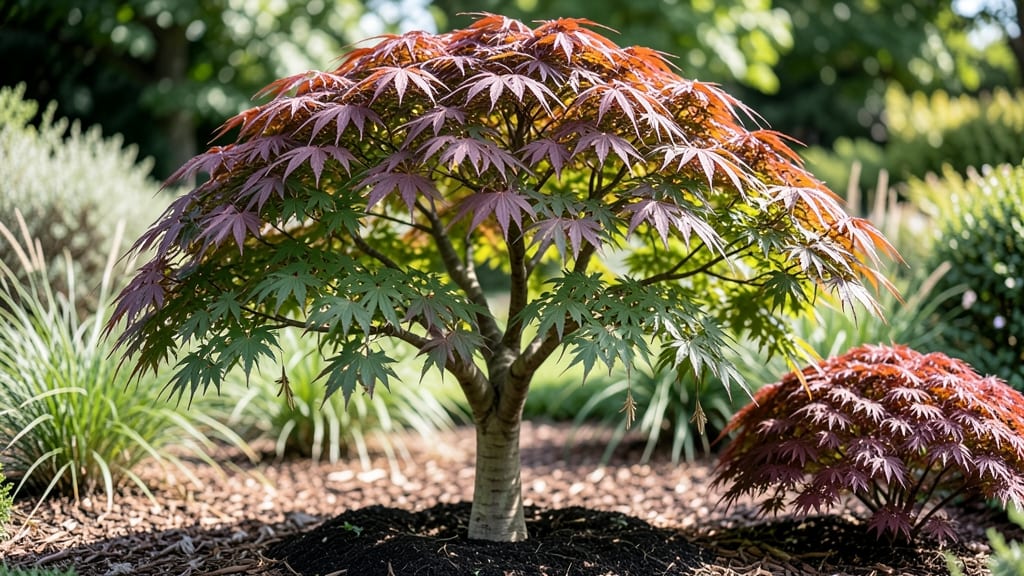
If you're dreaming of adding a Japanese Maple 🌿 to your landscape, knowing how tall does a Japanese Maple tree grow is the first step to planning its perfect spot. These stunning trees range from compact specimens perfect for small gardens to towering giants that command attention in spacious yards.
Whether you're drawn to the delicate lace-like leaves of 'Shishigashira' or the bold burgundy hues of 'Bloodgood,' each variety has its own growth story. Some stay under 6 feet, while others reach heights of 30 feet or more, making the right choice all about your space and vision.
Don't let guesswork ruin your landscaping plans. I'll break down exactly what to expect from popular varieties, plus the care tips that help them reach their full potential. Let's find the perfect fit for your outdoor space!
From sun exposure to pruning secrets, you'll discover how to nurture your Japanese Maple into the showstopper it was meant to be. Ready to transform your yard with the right tree for the job?

Japanese maple tree height by variety: small to giant growth ranges
Japanese maple trees (Acer palmatum) offer a stunning range of heights, from delicate dwarf varieties perfect for containers to towering specimens that command attention in large landscapes.
The mature height of your tree depends entirely on the cultivar you choose, with some reaching just 3 feet while others soar over 30 feet. Knowing these dimensions helps you select the perfect tree for your space—whether it's a patio accent or a landscape centerpiece.
Most Japanese maples grow at a slow to moderate pace, gaining only 6-12 inches per year in their early years. This gradual growth means you can enjoy their beauty for decades without sudden overgrowth.
However, some fast-growing varieties like 'Emperor I' may reach half their mature height in just 5-7 years. Understanding these growth patterns helps you plan for long-term spacing and maintenance.
Below, I’ve organized the most popular Japanese maple varieties by height categories—from dwarf to giant—so you can make an informed choice based on your available space. Each variety also includes its typical spread and ideal planting distance to prevent overcrowding.
| Variety | Mature Height | Spread | Ideal Spacing | Notes |
|---|---|---|---|---|
| 'Shishigashira' | 3–6 ft | 4–6 ft | 4–5 ft from structures | Dwarf variety with weeping branches; ideal for bonsai or small gardens. |
| 'Drummondii' | 6–10 ft | 8–12 ft | 8–10 ft from structures | Cold-hardy and orange-red foliage; great for containers or small yards. |
| 'Bloodgood' | 15–25 ft | 15–20 ft | 20–25 ft from structures | Dark red foliage; one of the most popular medium-height varieties. |
| 'Emperor I' | 20–30 ft | 20–25 ft | 30+ ft from structures | Fast-growing with green foliage; needs space for its broad canopy. |
| 'Burgundy Beauty' | 10–15 ft | 10–12 ft | 12–15 ft from structures | Deep purple foliage; compact yet striking for small to medium gardens. |
| 'Viridis' | 12–18 ft | 12–15 ft | 15–20 ft from structures | Yellow-green foliage; slow-growing and drought-tolerant. |
| 'Shishigashira' (Upright) | 8–12 ft | 6–8 ft | 8–10 ft from structures | Upright form of the dwarf weeping variety; great for small spaces. |
When selecting a Japanese maple, consider not just its mature height but also its spread and growth habit. For example, 'Bloodgood' may reach 25 feet tall but also spreads 20 feet wide, making it ideal for large lawns but unsuitable for tight urban gardens.
Always measure your space and account for the tree’s canopy width to avoid future pruning headaches.
Another critical factor is the cultivar’s growth rate. While most Japanese maples grow slowly, some like 'Emperor I' can add 1-2 feet per year in their youth. If you’re planning a long-term landscape design, factor in this growth to ensure your tree fits perfectly as it matures.
How growth rate and pruning affect Japanese maple tree height
Japanese maple trees (Acer palmatum) grow at varying rates depending on the cultivar and growing conditions. Most varieties grow slowly, adding just 6 to 12 inches per year, but factors like sunlight, soil quality, and pruning can significantly influence their final height.
Understanding these influences helps you shape your tree’s growth to fit your landscape vision.
Sunlight plays a critical role in height development. While Japanese maples thrive in partial shade, too little light slows growth, while excessive direct sun can stress the tree and lead to stunted development.
In ideal conditions with filtered sunlight, your tree may reach its genetic height potential more quickly. For example, a 'Bloodgood' maple in full sun might grow taller than one planted under dense shade.
Over-pruning in early years can permanently reduce height. Avoid cutting back more than 25% of foliage in a single season, and never remove the central leader unless shaping a multi-trunk specimen. Improper cuts can also invite disease, further slowing growth.
🌿
Pruning timing matters just as much as technique. The best time to prune is late winter or early spring, just before new growth begins. This encourages balanced growth and prevents the tree from directing energy toward healing wounds mid-season.
Summer pruning is possible but should be minimal to avoid stressing the tree as it prepares for dormancy.
Soil quality directly impacts growth rate. Japanese maples prefer well-draining, slightly acidic soil with a pH between 5.0 and 6.5. Amending heavy clay with compost or organic matter improves root health, which translates to faster vertical growth.
In poor soil, your tree may struggle to reach even half its potential height, so invest in soil preparation before planting.
Watering habits also affect height development. While Japanese maples are drought-tolerant once established, consistent moisture during the first few years encourages robust root and shoot growth. Deep watering once or twice weekly (depending on rainfall) ensures the tree has the energy to reach its mature size.
Underwatering can lead to stunted growth and weak branches.
For those seeking to control height, strategic pruning is key. Regularly removing suckers and water sprouts redirects energy upward, while selective branch removal can shape the tree’s silhouette. If you’re working with a dwarf variety, like 'Shishigashira', minimal pruning is needed—these cultivars naturally stay compact.
For larger varieties, like 'Emperor I', pruning every 2-3 years keeps growth manageable.
Remember, patience is essential. Even the fastest-growing Japanese maples take 10-15 years to reach maturity. By understanding these growth factors, you’ll create the perfect conditions for your tree to thrive—whether you’re aiming for a towering centerpiece or a compact container specimen. 🌳