
Trees
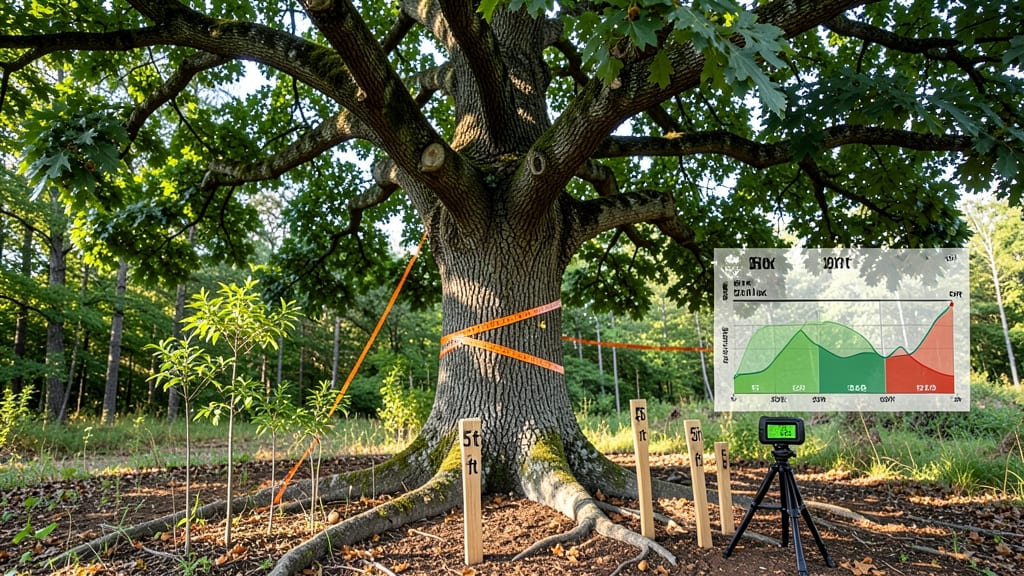
Ever wondered how tall oak trees grow from tiny acorns to towering giants—some reaching heights of 100 feet? The answer lies in their slow-and-steady growth pattern, which surprises even experienced gardeners.
Oak trees are nature’s patience test, with their height gains measured in decades rather than years. While they may only grow a few feet annually in their early years, their long-term potential makes them a game-changer for landscapes and ecosystems alike.
In this guide, I’ll break down exactly how tall oak trees grow—from sapling to sky-scraper—including the factors that can speed up or slow down their ascent. You’ll discover the secrets to nurturing a healthy oak, from soil conditions to pruning techniques that maximize height without sacrificing strength.
Whether you’re planting a new oak in your yard or curious about the giants in your neighborhood, these insights will help you understand—and even influence—their impressive growth journey.

Oak tree height by age: year-by-year growth chart for common species
Watching an oak tree grow is like witnessing a slow-motion skyscraper rise from the earth. Most gardeners assume these giants take decades to reach their full height, but the first 10 years hold the most dramatic growth spurts.
A white oak sapling might only reach 1-2 feet in its first year, but by year 5, it could already be 6-8 feet tall—about the height of a small adult.
The red oak and bur oak species follow similar patterns, though their growth rates vary slightly based on soil quality and regional climate.
For example, a bur oak in the Upper Midwest may grow 12-18 inches per year during its youth, while a live oak in the Southern U.S. could add 2 feet annually under ideal conditions. These differences highlight why location matters more than most gardeners realize.
Here’s the surprising truth: Oak trees grow fastest in their first 20 years, then slow dramatically as they mature. By age 50, a white oak might only add 6-12 inches per year, while a red oak could plateau entirely.
This shift explains why some 100-year-old oaks appear nearly identical in height to 80-year-olds—their growth becomes almost imperceptible over time.
🌳
| Age (Years) | White Oak Height (ft) | Red Oak Height (ft) | Bur Oak Height (ft) | Growth Rate (in/yr) |
|---|---|---|---|---|
| 1 | 1-2 | 1-2 | 1-2 | 12-24 |
| 5 | 6-8 | 7-9 | 5-7 | 18-24 |
| 10 | 12-18 | 14-20 | 10-14 | 20-30 |
| 20 | 30-40 | 35-45 | 25-35 | 12-18 |
| 50 | 60-70 | 65-75 | 50-60 | 6-12 |
| 100+ | 80-100 | 85-100 | 60-70 | 1-6 |
How pruning affects oak tree height: best practices for healthy growth
Pruning oak trees might seem counterintuitive when you’re aiming for maximum height, but done correctly, it can actually accelerate vertical growth while keeping your tree healthy. The key is understanding when to prune—timing makes all the difference.
Young oaks, especially those under 10 years old, respond best to light structural pruning in late winter or early spring, just before new growth begins.
Many gardeners make the mistake of over-pruning to encourage height, but this can stunt growth by removing too much foliage. Oak trees rely on their leaves to produce energy through photosynthesis, and aggressive cuts can leave them energy-deficient for years.
Instead, focus on removing dead or crossing branches—this improves airflow and lets the tree direct energy upward.
For mature oak trees (over 20 years old), pruning should be minimal and strategic. Remove only 30% or less of the canopy at a time to avoid shock.
Focus on raising the crown by removing lower branches—this opens up space for taller, straighter growth while reducing the risk of branch breakage during storms. Use sharp, clean tools to prevent tearing bark, which can invite pests.
One common misconception is that topping oak trees (cutting the top flat) will make them grow bushier and taller. In reality, this practice weakens the tree, creates unsightly regrowth, and often leads to structural failure.
If you’re concerned about height, opt for selective pruning to guide growth naturally rather than forcing it.
To maximize height, pay attention to the tree’s natural growth habit. Oak trees grow faster in full sun and well-draining soil, so ensure your tree has these conditions.
Avoid compacting the soil around the base, as this can restrict root growth and limit upward expansion. Mulch lightly with organic matter to retain moisture and encourage deep root development.
Finally, remember that patience is key with oak trees. While they may only grow 1-2 feet per year in their early years, their long-term height potential is what makes them worth the wait.
With the right pruning techniques and care, your oak can reach 60-100 feet—a true testament to nature’s patience and power. 🌳