
How To
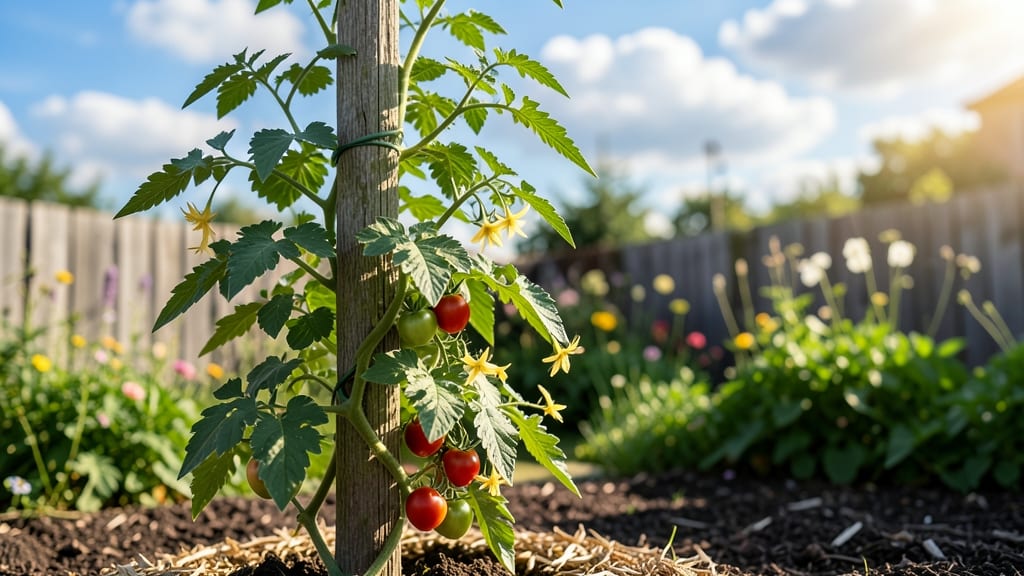
If you're planning your garden this spring and wondering how tall will a tomato plant grow, you're not alone—this question can make or break your space planning! 🍅 Whether you're working with a cozy balcony or a sprawling backyard, knowing the difference between determinate (compact) and indeterminate (vining) varieties is the key to maximizing your harvest.
Determinate tomatoes stay neat and manageable, typically reaching 3 to 5 feet, while their indeterminate cousins can stretch 6 to 12 feet or more with proper support. That means your garden layout could look totally different depending on what you plant—and how you support it.
In this guide, I’ll break down the growth habits of both types, share tips for managing height without sacrificing yield, and help you choose the perfect variety for your space.
Whether you're a beginner or a seasoned gardener, getting this right could mean bigger tomatoes and less hassle come harvest time.
Let’s dive into the details so you can plan your garden with confidence—and avoid those last-minute scrambles for trellises or extra space!

Indeterminate vs determinate tomato plant height: key differences explained
When planning your tomato garden, the first question I always ask myself is: How tall will my plants grow? The answer depends entirely on whether you're growing indeterminate or determinate varieties.
These two types have completely different growth habits that impact everything from pruning needs to space planning and even harvest timing. Let me break down the key differences so you can choose the perfect tomato for your garden layout.
Determinate tomato plants are the compact, bushy types that stop growing once they hit their mature height of about 3-5 feet. They produce fruit all at once, making them ideal for canning and preserving.
On the other hand, indeterminate varieties grow continuously throughout the season, often reaching 6-12 feet or taller if left unchecked. Their vines keep producing new leaves and flowers, leading to a prolonged harvest that can last until frost.
The most obvious difference is their height potential. A determinate plant like Roma or Celebrity will max out around 4 feet, while an indeterminate variety like Sungold or Brandywine can climb to 10 feet or more without proper support.
This height difference isn't just about aesthetics—it directly affects how you'll need to support your plants and how much garden space they'll require.
Here's where it gets practical: determinate plants are perfect for container gardening or small spaces because their controlled growth means you won't need tall cages or trellises. Indeterminate varieties, however, demand vertical support systems like tall stakes, cages, or trellises to handle their heavy vines and fruit loads.
Without support, those towering plants can flop over, leading to broken stems and rotten fruit.
Another crucial factor is pruning requirements. Determinate plants typically don't need pruning—they're already self-contained bushes. Indeterminate varieties, though, benefit greatly from regular pruning to direct energy toward fruit production rather than excessive foliage.
I usually remove suckers (the small shoots that form in the leaf axils) to keep the plant airflow-friendly and reduce disease risk.
Let's talk about harvest timing next. Determinate tomatoes produce all their fruit within a 2-3 week window, which is fantastic if you're planning to process or preserve your harvest.
Indeterminate varieties, however, give you a continuous harvest from summer until frost. This makes them ideal for fresh eating all season long.
Now, let's visualize these differences with a quick comparison table to help you decide which type fits your garden best:
Understanding these differences will help you make the best choice for your garden. If you have limited space or prefer a low-maintenance approach, determinate varieties are your best bet.
But if you love the idea of continuous harvests and don't mind investing in support structures, indeterminate tomatoes will reward you with a longer growing season and more flexibility in the kitchen.
Remember, the height of your tomato plants isn't just about how much space they take up—it's about how you'll care for them and how they'll produce fruit.
Whether you're a beginner or a seasoned gardener, choosing the right type based on height and growth habit can make all the difference in your tomato harvest success.
How tomato plant height affects your garden layout and support needs
Choosing the right support for your tomato plants isn't just about aesthetics—it directly impacts your harvest. Indeterminate varieties with their 6-12+ foot vines need sturdy trellises or cages, while determinate types (3-5 feet) often thrive in smaller cages.
The wrong support can lead to broken stems, disease, or even lost fruit.
For small-space gardens, consider vertical gardening with trellises or wall-mounted systems. These save floor space while maximizing sunlight exposure. Even in larger gardens, proper support improves airflow, reducing blight risks and making fruit easier to spot and harvest.
🌱
🪴 Support Options by Tomato Type
- Indeterminate Varieties: Use 6-8 ft trellises or sturdy bamboo stakes (3-4 per plant). Avoid flimsy cages—they'll snap under weight.
- Determinate Varieties: 4-5 ft cages or low trellises work best. These plants produce all fruit at once, so support must handle heavy clusters.
- Dwarf/Heirloom: Small cages or single stakes suffice. Prune aggressively to control height—these often grow wildly without guidance.
- Container Tomatoes: Use tall fabric pots with built-in supports or mini trellises. Dwarf varieties like 'Tiny Tim' need only 18 inches of support.
When planning your garden layout, account for vine spread too—indeterminate plants can sprawl 3-5 feet outward if unsupported. Place them near fences or along property lines to save space. For high-yield setups, create a "tomato alley" with trellises on both sides, alternating indeterminate and determinate types for staggered harvests.
Pro tip: Install supports at planting time to avoid disturbing roots later. Use soft ties (like old T-shirts or rubber bands) to secure vines—wire can damage stems. And always prune suckers regularly to redirect energy to fruit production, not excessive growth.
🌿
For urban balconies, consider hanging baskets with trellis inserts for cherry tomatoes. These work well for compact varieties like 'Tumbling Tom' (2-3 feet tall) but require frequent watering. In ground gardens, leave 18-24 inches between determinate plants and 3-4 feet for indeterminate types to prevent crowding and disease spread.